Vacation Rentals
The Coastal Trash Can, Recycling Bin, and Exterior Roll-Out Cart Turnover Protocol: Mitigating Seafood Decay Odors, Pest Intrusions, and Guest Review Failures in Grand Strand Vacation Rentals
A deep dive into operational trash management protocols designed to eliminate harsh seafood odors, sanitize outdoor bins, and prevent pest-driven guest complaints during peak coastal seasons.
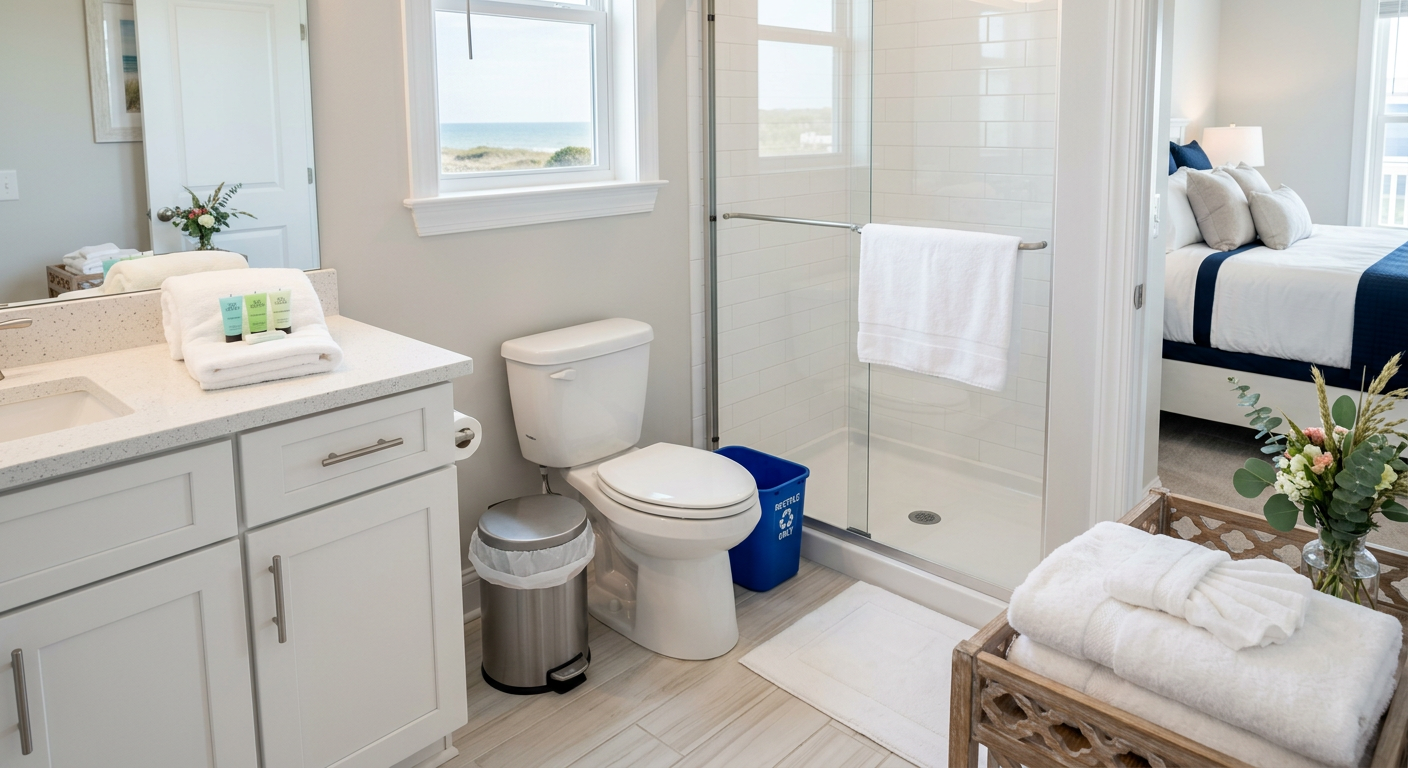
A single whiff of decomposing seafood can ruin a guest's first impression of an otherwise immaculate beach home. Along the Grand Strand, our brutal summer heat and high humidity turn ordinary household waste into an active source of foul odors and pest activity within hours. For vacation rental managers, maintaining pristine trash cans and exterior roll-out carts is not just a cosmetic detail; it is a critical operational system. This protocol outlines our systematic approach to sanitizing, managing, and securing waste receptacles to protect your rental's reputation and five-star reviews.
The Chemistry of Coastal Trash Decay: High Humidity, Seafood Waste, and Rapid Odor Escalation
The Grand Strand's summer climate, characterized by temperatures consistently hovering in the nineties combined with stifling ocean humidity, transforms ordinary household waste into an active biological hazard in a matter of hours. This extreme environment accelerates the decomposition of organic matter, particularly seafood leftovers like shrimp shells, crab claws, and fish remains from local low-country boils. Within half a day, the bacteria thriving in these warm, moist conditions release intense volatile organic compounds. Standard plastic indoor trash cans quickly absorb these pungent gasses, creating a localized odor column that can compromise the entire kitchen and living area.
Cheap plastic bins are highly porous at a microscopic level, allowing grease, liquids, and microscopic food particles to bond with the material over time. When a bin is left unwashed between turnovers, these residues build up, forming an invisible biofilm that emits a persistent sour smell. This odor persists even after the trash bag has been tied up and removed from the property. In a closed, air-conditioned vacation rental, these trapped gases circulate through the HVAC system, greeting arriving guests with a subtle yet unmistakable smell of decay that immediately triggers complaints.
When guests enter an oceanfront rental, their first sensory impression dictates their entire stay. A lingering smell of rancid organic waste or sour trash will immediately trigger anxiety about the property's overall cleanliness, leading directly to negative reviews on platforms like Airbnb and VRBO. Even if the rest of the villa is pristine, a foul odor emanating from the under-sink bin or the pantry trash can will cause guests to inspect the home with hyper-critical eyes. Our operations team understands that neutralizing these odors at the source is vital to maintaining five-star ratings.
Inside-the-Property Bin Sanitation: Deep Cleansing and Dual-Layer Liner Systems
To combat the microscopic buildup of organic waste, our turnover specialists treat every interior trash bin as a critical sanitization point. During every turnover, the empty bin is removed from its cabinet or corner and sprayed inside and out with a broad-spectrum, EPA-registered disinfectant. Specialists pay close attention to the foot pedals, hinge mechanisms, and rim lips where food drips and spills frequently collect. These areas are scrubbed with stiff-bristled brushes to break loose polymerized food residues and sticky drink spills before the bin is wiped down with clean microfiber cloths.
We enforce a strict dry-bin policy before any new liner is installed. Inserting a plastic liner into a damp trash can traps moisture in the dark, warm base of the bin, creating a perfect breeding ground for black mold and mildew. Once the bin is thoroughly dried, our team utilizes a dual-layer lining strategy for high-volume kitchen trash cans. This involves placing a heavy-duty, puncture-resistant contractor bag at the very bottom of the bin as an emergency catch-all, topped by a premium, draw-string, high-density polyethylene liner that fits snugly around the rim to prevent slipping.
The cabinet beneath the kitchen sink, which typically houses the primary trash receptacle, requires its own specialized decontamination routine. This enclosed, unventilated space frequently traps stale odors, humidity, and chemical fumes. Our team sprays the cabinet walls and floor with a botanical, non-toxic odor neutralizer that breaks down scent molecules rather than masking them with heavy perfumes. We inspect the cabinet floor for leaks from the sink plumbing or trash drips, ensuring the wood substrate is completely clean and dry before replacing the sanitized bins.
- Spray all interior bins with EPA-registered disinfectants during every turnover.
- Scrub mechanical foot pedals and lid hinges to remove hidden grease and grime.
- Ensure bins are 100% dry before inserting new liners to prevent mold growth.
- Apply botanical odor neutralizers to the interior of under-sink cabinets.
- Use high-density, puncture-resistant liners to eliminate liquid leaks.
Exterior Roll-Out Cart Decontamination: Eliminating Maggot Vectors and Fly-Lure Residues
Exterior roll-out trash carts, often provided by local Grand Strand municipalities, are the most neglected areas of vacation rental properties. Throughout a busy summer week, guests toss overstuffed bags, loose liquid waste, and raw food scraps into these outdoor bins. Heat and sun exposure quickly turn the bottom of these carts into a pool of highly offensive liquid runoff, commonly referred to as trash juice. This liquid is a primary attractant for blowflies, which can lay eggs that hatch into thousands of maggots within a twenty-four-hour window, presenting an appalling sight for guests.
Our standard turnover protocol mandates a thorough inspection and wash-down of all exterior roll-out carts. After the local waste management service empties the bins, our teams use high-pressure nozzles to rinse out the interior of the carts, dislodging stuck-on debris and flushing out any pooled liquids. We then apply an eco-safe, heavy-duty degreaser and disinfectant to the interior walls, scrubbing away the greasy films left behind by leaking trash bags. This step is essential to breaking the cycle of fly attraction and keeping pests away from the property.
Once washed and rinsed, the carts are turned upside down on a sloped surface or driveway to drain completely. Leaving standing water in an outdoor bin simply creates another breeding site for mosquitoes and midges. Before returning the dry carts to their designated storage areas, our specialists apply a light dusting of agricultural-grade diatomaceous earth or a professional-grade granulated pest deterrent to the bottom of the bin. This non-toxic barrier discourages crawling insects, ants, and flies from colonizing the bin before the next guest arrives.
The Seafood Shell and Organic Waste Disposal Protocol: Clear Signage and Guest Guidance
Many vacationers visit the Grand Strand specifically to enjoy fresh local seafood, preparing elaborate meals right inside their rental properties. However, raw shrimp heads, crab shells, and fish bones discard easily and decay rapidly inside domestic bins. To manage this specific risk, we recommend that property managers implement a clear, welcoming, yet firm seafood disposal guide. Providing guests with specific instructions on how to handle these organic waste products significantly reduces the risk of mid-week odor crises that can trigger emergency maintenance dispatches.
We advise placing a laminated instruction card inside the under-sink cabinet door, alongside a dedicated supply of heavy-duty, ziplock-style freezer bags. The instructions should request that guests place all raw seafood waste, shells, and leftovers directly into these ziplock bags, seal them tightly, and carry them directly to the exterior roll-out carts rather than leaving them in the kitchen trash can. This simple educational step empowers guests to help preserve the cleanliness of the indoor living space while preventing major odor buildup.
Our turnover teams ensure these special seafood disposal kits are fully stocked during every turn. We place a small, labeled container containing three to five high-micron, sealable waste bags directly next to the kitchen sink cabinet trash can. By making the tools easily accessible, guests are far more likely to comply with the rules. This proactive operational touch demonstrates to the guest that the property is managed with high standards of cleanliness and foresight, enhancing their overall satisfaction.
- Provide a dedicated stock of ziplock-style freezer bags for seafood waste.
- Mount a laminated seafood disposal guide inside the kitchen cabinet door.
- Instruct guests to take raw food scraps directly to the exterior bins.
- Verify the inventory of the seafood disposal kit during every turnover.
- Use clear, friendly language that frames the rule as a local pest-prevention tip.
Curbside Management and Schedule Optimization: Synchronizing Turnover Days with Local Collection Routes
Managing trash in a high-turnover environment requires a deep understanding of local municipal pickup schedules. Throughout the Grand Strand, different neighborhoods have varying trash collection days, which rarely align perfectly with weekend check-in and check-out times. If a guest checks out on a Sunday morning, but the municipal trash truck does not arrive until Tuesday, full bags of rotting garbage will sit in the driveway bins for two days in the direct sun, creating an immediate visual and olfactory issue for incoming guests.
To mitigate this, our scheduling department syncs property turnover logs with local waste collection routes. When our cleaning specialists perform a turn, they check the volume of trash in the outdoor bins. If the bins are full and the collection day is several days away, we coordinate with the property manager to arrange an off-cycle trash removal or have our team transport the excess waste to a local transfer station. This ensures that incoming guests are never greeted by overflowing, unsightly bins lining the driveway.
Furthermore, our teams take responsibility for the physical placement of the carts. If a turnover occurs on the afternoon before a scheduled collection morning, our specialists roll the carts to the curb as part of their final checkout checklist. Conversely, if empty bins have been left at the street by municipal workers, our arriving specialists roll them back to their designated storage spots. This attention to detail keeps the property looking occupied, neat, and compliant with local Homeowners Association (HOA) regulations.
Pest Mitigation Barriers: Preventing Raccoon, Seagull, and Insect Intrusions at the Bin Site
The coastal Grand Strand is home to highly active wildlife, including raccoons, opossums, feral cats, and aggressive seagulls, all of which view vacation rental trash bins as prime foraging grounds. A single tipped-over bin can scatter rotten food, dirty diapers, and sharp cans across a driveway, creating an unsightly mess that guests will have to navigate. To prevent these frustrating situations, we work with property owners to secure exterior bins using mechanical barriers that keep wild animals out while remaining simple for guests to operate.
We recommend installing heavy-duty, weather-resistant rubber tension straps on all outdoor bin lids. These straps secure the lid tightly to the frame of the cart, preventing raccoons from lifting them or windstorms from blowing them open. Our turnover teams inspect these straps during every visit to ensure the rubber has not dry-rotted in the salt air and that the metal hooks remain free of rust. If a strap is broken or missing, our team notes it in the digital cleaning report so it can be replaced immediately.
The physical location of the outdoor bins is also critical to pest management. Bins should be kept on a level concrete pad, ideally housed within a ventilated wooden or vinyl utility enclosure. These enclosures protect the bins from direct sunlight, reducing interior heat and subsequent odor acceleration, while keeping them hidden from pests. Our specialists sweep out these enclosures during every turnover, spraying the ground with a mixture of natural pest-deterrent oils like peppermint and eucalyptus, which naturally repel rodents and crawling insects.
Cleaning Team Inspection and Documentation Protocol: Verifying Clean Bins for Five-Star Reviews
At A2Z Cleaning & Linen Services, we believe that what gets measured and documented gets done correctly. We have integrated trash system audits directly into our mandatory digital photo-documentation workflow. Before a turnover specialist can mark a property as clean and ready in our property management software, they must upload clear, close-up photos of both the indoor trash cans and the outdoor roll-out carts. This photographic proof ensures that no steps in the sanitation protocol are missed during the peak-season rush.
Our field supervisors perform random quality-assurance audits on properties to verify that our high standards are being maintained. During these audits, supervisors inspect the interiors of the bins, looking for any signs of grease build-up, dampness, or lingering odors. They also check that the correct replacement liners are stocked and that the trash enclosures are free of leaf litter and stray debris. This multi-layered accountability structure ensures that our teams consistently deliver top-tier results that protect your property's online reputation.
By treating waste management as a critical component of our professional hospitality service, we help Grand Strand property managers eliminate one of the most common sources of guest friction. Clean, odor-free, and secure trash systems show guests that every inch of the rental is meticulously cared for. To experience the difference that our family-owned, expert cleaning services can make for your vacation rental portfolio, contact A2Z Cleaning & Linen Services today at 843.800.2788 to discuss a customized turnover plan.
- Require photo verification of clean indoor and outdoor bins before completing a turn.
- Perform random supervisor audits to check for structural odors and moisture.
- Document and report damaged bins, cracked lids, or missing animal straps immediately.
- Ensure trash enclosures are swept, sanitized, and treated with natural pest deterrents.
- Maintain absolute consistency in waste protocols to protect online review scores.
Key takeaway
An odor-free, pest-secure trash system is a fundamental pillar of a successful vacation rental operation. By implementing a strict sanitization protocol for both interior and exterior bins, property managers can eliminate the negative reviews caused by coastal heat and seafood decay. Partnering with a detailed, professional team ensures your property remains clean, welcoming, and highly rated throughout the busiest seasons.
Keep Reading

Vacation Rentals
The Private Game Room and Garage Suite Turnover: Preventing Sticky Arcade Screens, Felt Damage, and Sand Accumulation in Grand Strand Rentals
ReadVacation Rentals
The Coastal Vacation Rental Sleeper Sofa and Fold-Out Bed Turnover Protocol: Mitigating Hidden Sand-Grit, Lost Detritus, and Bedding-Mismatch Delays under Grand Strand Turn Pressures
ReadVacation Rentals
The Coastal Digital Lockset and Smart Entry Hardware Turnover Protocol: Mitigating Salt-Crust Jamming, Low-Battery Failures, and Guest Lockout Incidents in Grand Strand Vacation Rentals
ReadReady for a spotless property?
Call 843.800.2788 or request a free quote from A2Z Cleaning & Linen Services.