Commercial & Hospitality
The First-Year Turn Cleaner Retention Blueprint: Overcoming Seasonal Burnout, Physical Fatigue, and Mid-Summer Attrition in Myrtle Beach Hospitality
A practical guide to hiring, training, and retaining resilient environmental services professionals capable of handling the physical and mental demands of Grand Strand high-seasons.
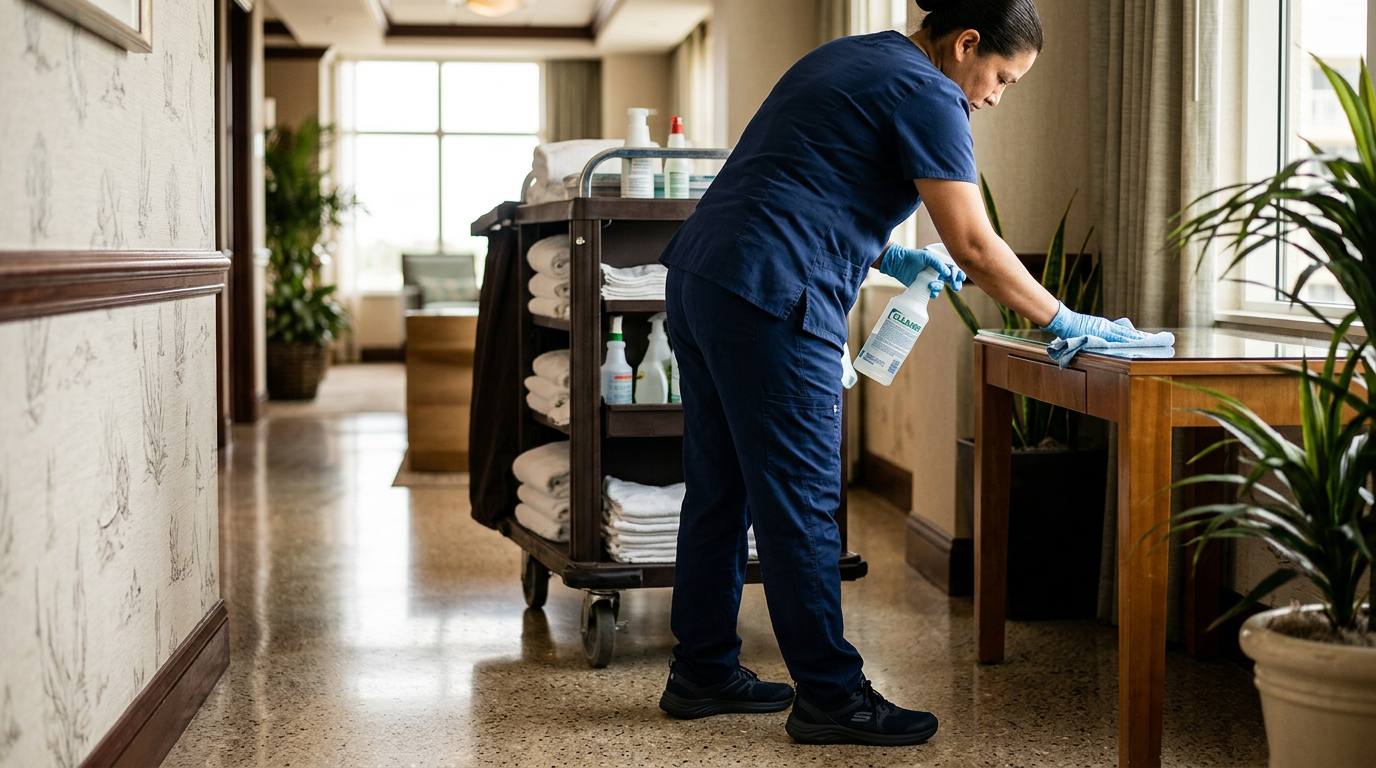
Operating a successful cleaning and linen service along the Grand Strand requires more than just high-quality vacuums and strict checklists; it demands a resilient, highly trained workforce. In our coastal environment, seasonal tourism swings put immense pressure on cleaning crews, often leading to high turnover during the grueling summer peak. Transitioning from a quiet winter to 100-degree Saturdays in July causes physical and mental burnout that can cripple a property management operation. To build a reliable team that delivers consistent results, local companies must implement a structured retention blueprint that addresses recruitment, ergonomic training, competitive compensation, and heat safety.
The Grand Strand High-Season: Setting Realistic Physical Expectations
In the coastal South Carolina summer, environmental services technicians must carry 40-pound bags of damp linens down narrow beach house stairwells in Cherry Grove, all while the outdoor temperature pushes past 95 degrees with 80 percent humidity. This physical reality is the leading cause of early-season attrition. Employers who gloss over these conditions during the recruitment process face high turnover by late June. A successful hiring strategy begins with absolute transparency about the physical demands of high-occupancy turnovers along the Grand Strand.
To combat this, the hiring process must include an honest preview of the daily workflow. Describe the reality of sand-extraction, trash hauling, and the rapid pace required to meet checkout windows. Showing candidates what a standard Saturday looks like prevents shock and ensures that those who join the team are mentally and physically prepared for the work. This upfront transparency filters out candidates who are looking for light housekeeping rather than high-performance hospitality turnovers.
Additionally, the psychological weight of tight turnaround windows cannot be ignored. Technicians must work efficiently between an 11:00 AM checkout and a 4:00 PM check-in, often in units left heavily soiled by departing guests. Preparing candidates for this fast-paced environment during the initial interview ensures they possess the mental resilience and time-management skills required to maintain high standards under pressure, reducing first-month walkouts.
Behavioral Interviewing: Screening for Stamina and Autonomy
Generic interview questions like 'Are you a hard worker?' fail to reveal how a candidate will perform during a busy summer changeover. Instead, hiring managers should utilize behavioral interviewing techniques that focus on self-management, endurance, and problem-solving. Ask candidates to describe a time they had to complete a physically demanding task under a strict deadline, paying close attention to how they managed their energy and maintained focus.
Scenario-based questions are particularly effective for vetting hospitality cleaning crews. Present the candidate with a common Grand Strand dilemma, such as entering a large oceanfront condo with a broken elevator and finding a heavily stained carpet just hours before guest arrival. Their response will highlight their ability to think on their feet, prioritize tasks, and communicate effectively with supervisors, rather than panicking or skipping essential cleaning steps.
Finally, address travel and logistical reliability directly during the interview. Traveling along Highway 17 and Ocean Boulevard during peak tourist season can be highly stressful and unpredictable. Ask candidates how they plan their routes, handle traffic delays, and ensure they arrive at their designated properties on time. Reliable transportation and a proactive attitude toward local traffic challenges are non-negotiable requirements for a dependable turn crew.
Ergonomic Onboarding: Protecting Cleaners from Physical Strain
Injuries in the first few weeks of employment are a primary driver of cleaning staff turnover. To protect new hires and build long-term reliability, onboarding must prioritize comprehensive ergonomic training. Teach technicians how to lift heavy laundry bundles using their legs rather than their backs, and demonstrate proper posture for vacuuming and scrubbing. Investing time in physical safety training prevents repetitive strain injuries and shows your team that their health is valued.
Equipping your crew with modern, ergonomic tools is another powerful retention strategy. Transitioning from heavy upright vacuums to lightweight commercial backpack models with padded hip harnesses significantly reduces shoulder and lower back strain. Similarly, utilizing telescoping microfiber dusters and high-efficiency flat mops eliminates the need for awkward bending and reaching, allowing technicians to work faster with far less physical fatigue over the course of a long shift.
Trainers should also teach the concept of task rotation to mitigate physical wear and tear. Instead of scrubbing bathrooms for four consecutive hours, technicians should alternate between heavy scrubbing, high-dusting, and surface polishing. This rotates the muscle groups being used, allowing active recovery throughout the workday. Implementing these ergonomic safety standards keeps your team healthy, happy, and on the job throughout the demanding summer season.
- Mandatory demonstration of proper lifting techniques for 40-pound linen bags.
- Transitioning to lightweight, ergonomic backpack vacuums with supportive harnesses.
- Using telescoping microfibers to eliminate dangerous reaching and bending.
- Implementing a task rotation schedule to prevent localized muscle fatigue.
- Weekly safety huddles focusing on joint protection and safe movement patterns.
The Heat Stress Protocol: Mandatory Hydration and Climate Management
The combination of high summer temperatures and physical labor creates a real risk of heat-related illness for cleaning crews working in coastal South Carolina. When guests check out of oceanfront rentals, they often leave balcony doors open or turn off the air conditioning, leaving units stiflingly hot. A reliable operational plan must include a strict heat stress protocol that prioritizes technician safety above all else.
Establish a mandatory rule that the first step of any turn is to close all exterior doors, lower the thermostat to a reasonable cooling baseline, and turn on ceiling fans. While the HVAC system works to lower the indoor temperature, technicians should focus on exterior tasks like balcony cleaning or hallway trash removal, avoiding heavy physical exertion in the uncooled interior spaces until the indoor climate stabilizes.
Provide crew members with insulated water bottles and electrolyte drink mixes, and enforce mandatory hydration breaks. Supervisors must monitor their teams closely, ensuring everyone drinks water regularly rather than waiting until they feel thirsty. Training technicians and field leads to recognize the early warning signs of heat exhaustion—such as dizziness, headaches, and heavy sweating—is critical to preventing medical emergencies and maintaining a healthy workforce.
Competitive Compensation: Structuring Performance Incentives
To attract and retain top-tier talent in the competitive Grand Strand market, compensation models must evolve beyond flat, entry-level hourly wages. Reliable professionals expect pay that reflects the intense physical demands of their roles. Offering a stable, competitive base rate combined with performance-based bonuses ensures that hard work is rewarded and discourages employees from jumping to competitors for minor wage increases.
A highly effective retention tool is the peak-season completion bonus. By structuring a financial incentive that is paid out after Labor Day, you directly address the mid-summer attrition wave. Technicians who remain reliable, maintain high quality scores, and complete the season receive a significant lump-sum bonus, rewarding their loyalty and ensuring your operational capacity remains strong when tourist volume is at its highest.
For highly experienced and efficient technicians, consider offering a transparent piece-rate compensation model. Allowing skilled cleaners to earn a set rate per completed unit, provided they pass rigorous quality audits, empowers them to maximize their earning potential. This structure rewards speed and accuracy, turning high-volume days into profitable opportunities for your best workers and boosting overall team productivity.
Peer-to-Peer Mentorship: Reducing Solo Isolation in the Field
Cleaning large beach homes or sprawling resort complexes can feel isolating and overwhelming, especially for new hires. When left entirely on their own during their first few weeks, new technicians often struggle with routing and pacing, leading to frustration and early resignation. Introducing a peer-to-peer mentorship program bridges this gap, providing new team members with direct support and encouragement from experienced leads.
During onboarding, pair new hires with a seasoned mentor who works alongside them for their first two weeks. The mentor's role is not to act as a punitive inspector, but to demonstrate efficient field techniques, share local travel shortcuts, and teach effective sand-extraction strategies. This hands-on guidance builds confidence, speeds up the learning curve, and ensures that new employees feel supported and valued from day one.
Mentorship also fosters a stronger sense of community and team culture within the organization. Regular check-ins, shared breaks, and peer encouragement reduce the isolation of solo turnovers and build lasting workplace friendships. When technicians feel connected to their coworkers and supported by their peers, they are far more likely to remain committed to the company, even during the most demanding weeks of the season.
- Pairing new hires with experienced mentors for the first two weeks in the field.
- Demonstrating efficient cleaning routes and time-saving sand-extraction methods.
- Providing real-time, constructive feedback in a supportive learning environment.
- Encouraging peer-led troubleshooting for difficult stain removal and fabric care.
- Fostering a team-oriented culture that reduces the isolation of solo cleaning turns.
Skill Ladders and Certifications: Professionalizing the Cleaning Role
Many individuals view cleaning jobs as temporary, dead-end positions rather than viable career paths. To attract serious, long-term professionals, organizations must actively work to professionalize the role. Offering structured training programs and recognized industry certifications gives technicians a sense of professional pride and demonstrates a clear path for advancement within the company.
Incorporate training modules that cover advanced cleaning science, including chemical dwell times, surface-safe pH levels, and bloodborne pathogen protocols. Providing opportunities to earn certifications from industry bodies like the ISSA or specialized textile care institutions elevates the technician's skill set, transforming them into environmental services experts who understand the science behind sanitization.
Create a transparent career ladder with clear milestones and associated wage increases. For example, a technician might progress from an Entry-Level Cleaner to a Certified Turn Specialist, then to a Field Mentor, and finally to a Team Supervisor. When employees can see a direct connection between their learning, their certifications, and their earning potential, they are highly motivated to stay and grow with the company.
The Off-Season Bridge: Maintaining Year-Round Stability
The sharp decline in tourism along the Grand Strand after summer ends presents a significant retention challenge. Many cleaning companies lay off the majority of their staff in autumn, forcing experienced technicians to seek employment in other industries. To maintain a reliable, high-performing team year after year, organizations must find creative ways to provide year-round income stability for their core workforce.
To bridge the seasonal gap, transition your summer turn crews into deep-cleaning specialists, commercial facility cleaners, and carpet restoration technicians during the quieter winter months. Property owners frequently request comprehensive deep cleans, paint touch-ups, and tile restoration projects during the off-season. Capitalizing on these services keeps your best technicians employed while preparing properties for the upcoming spring rush.
Additionally, offering guaranteed minimum hours or flexible rotating schedules during the winter months helps technicians manage their finances with confidence. This commitment to year-round stability builds immense loyalty, ensuring that your highly trained, reliable team members are still with you when the high-season returns, eliminating the costly cycle of recruiting and training a completely new workforce every spring.
Key takeaway
Building a reliable cleaning crew along the Grand Strand requires an operational commitment to realistic hiring, ergonomic training, and fair year-round support. By investing in the physical health, career development, and financial stability of your team, you transform seasonal turnover into long-term professional retention. For expert support in managing your vacation rental or commercial property with a highly trained, dedicated team, contact A2Z Cleaning & Linen Services at 843.800.2788.
Keep Reading
Commercial & Hospitality
The Grand Strand Post-Construction Cleaning Specialist: Technical Dust-Extraction Certifications, Silica-Safety Audits, and Competitive Compensation Structures for New-Build Handover Teams
ReadCommercial & Hospitality
Professional Cleaning Careers in Myrtle Beach: What Defines a Top-Tier Hospitality Cleaner
ReadCommercial & Hospitality
The Grand Strand Commercial Disinfection Specialist Career Pathway: Class-A Office Standards, Biohazard Mitigation Certifications, and Local Retention Models
ReadReady for a spotless property?
Call 843.800.2788 or request a free quote from A2Z Cleaning & Linen Services.