Commercial & Hospitality
The Grand Strand Medical and Outpatient Facility Environmental Services (EVS) Specialist Career Pathway: Technical Infection-Control Certifications, Behavioral Interview Standards, and High-Retention Compensation Models
Discover the blueprint for building and sustaining a elite outpatient medical cleaning team in the Grand Strand, featuring essential technical certifications, behavioral interview guides, and local retention strategies.
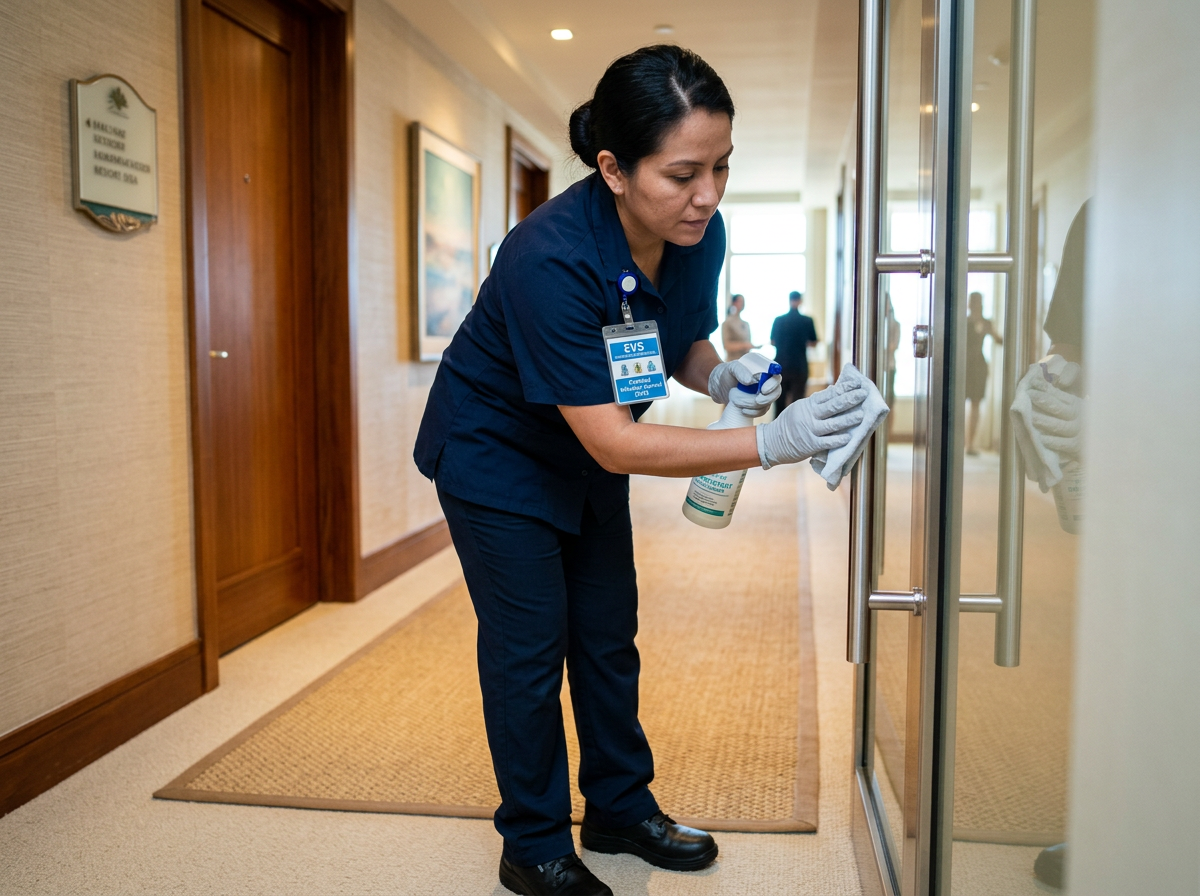
As the Grand Strand's medical corridor rapidly expands from Little River down to Murrells Inlet, the demand for highly trained outpatient Environmental Services (EVS) professionals has never been more critical. General commercial cleaning standards are no longer sufficient to protect vulnerable patients, satisfy stringent clinical guidelines, and safeguard medical practice reputations. At A2Z Cleaning & Linen Services, we understand that building a reliable, highly competent medical cleaning team requires moving beyond basic labor recruitment to establish a formalized career pathway. This comprehensive guide outlines the technical training frameworks, behavioral vetting protocols, and local compensation strategies necessary to recruit and retain elite EVS specialists in the Myrtle Beach region.
The Evolution of Outpatient EVS in the Grand Strand Medical Corridor
The healthcare landscape across Horry and Georgetown counties is undergoing a massive transformation, driven by an aging demographic and a steady influx of retirees. Outpatient clinics, urgent cares, physical therapy centers, and dental offices are multiplying along Highways 17 and 501 to meet this demand. Unlike centralized hospitals with built-in, round-the-clock environmental services departments, these distributed outpatient facilities rely on specialized mobile or after-hours EVS technicians. The cleaning standard required for these environments is clinical, demanding an advanced understanding of pathogens rather than simple cosmetic dust removal.
Furthermore, our coastal environment introduces unique environmental factors that complicate medical sanitation. High ambient humidity levels accelerate mold spore development and keep surfaces damp longer, which can alter the evaporation rates and efficacy of hospital-grade disinfectants. Additionally, the millions of tourists visiting Myrtle Beach clinics during the peak summer season introduce a diverse range of seasonal pathogens, placing a heavy burden on outpatient waiting rooms and exam rooms. This environment requires localized expertise to prevent cross-contamination.
Transitioning from a general janitorial mindset to a dedicated medical EVS approach is the foundation of patient safety. EVS specialists do not just empty trash and mop floors; they interrupt the chain of infection. By recognizing that every door handle, examination table, and check-in kiosk is a potential vector for transmission, professional technicians protect immunocompromised residents and keep local medical practices fully compliant with clinical regulations.
Defining the Medical EVS Specialist Profile: Core Competencies and Soft Skills
A successful EVS specialist possesses a unique combination of clinical discipline, technical aptitude, and strong interpersonal soft skills. Unlike workers in unoccupied offices, medical cleaners often work in proximity to sensitive clinical areas, patient health records, and expensive medical hardware. Consequently, high personal integrity, emotional maturity, and absolute discretion are critical. Candidates must demonstrate an intuitive understanding of professional boundaries and a respect for patient privacy regulations under federal law.
Technical aptitude is equally essential. EVS technicians must be comfortable navigating chemical safety sheets, calculating dilution ratios, and managing sophisticated equipment such as electrostatic sprayers and dual-bucket extraction vacuums. This work requires attention to detail; a missed spot on a phlebotomy chair armrest can have serious clinical consequences. The ideal candidate exhibits a methodical, process-driven approach to work, finding satisfaction in following precise protocols rather than rushing to finish a shift.
Finally, physical stamina and sensory awareness are core components of the job. Technicians spend long shifts on their feet, lifting equipment, and performing repetitive overhead and low-level movements. They must also have excellent visual acuity to identify subtle bio-burden residues under low-light conditions and possess a strong sense of spatial awareness to avoid disrupting delicate clinical setups or dragging power cords across sterile zones.
Essential Technical Certifications for Coastal Medical EVS
To build a professionalized team, formal certifications should be integrated directly into your career pathway. The gold standard for entry-level technicians is the Certified Healthcare Environmental Services Technician (CHEST) designation, or the managerial Certified Healthcare Environmental Services Professional (CHESP) credential, both offered by the Association for the Health Care Environment (AHE). These credentials validate a technician's understanding of microbiology, waste handling, and disinfection chemistry.
Every technician operating in a medical or dental setting must also complete annual OSHA Bloodborne Pathogens training (29 CFR 1910.1030). This training covers the handling of infectious waste, sharp-object safety, and the proper selection, use, and disposal of Personal Protective Equipment (PPE). At A2Z Cleaning & Linen Services, we recommend hands-on physical drills for donning and doffing PPE, as intellectual knowledge alone rarely prevents self-contamination during a real-world cleanup.
Additionally, local teams benefit from certifications in green cleaning and indoor air quality management. Given the coastal dampness of the Grand Strand, mold remediation and spore-mitigation training are highly valuable. When technicians understand the relationship between relative indoor humidity, HVAC condensation, and microbial growth, they can identify and report environmental issues to facility managers before they escalate into serious air-quality violations.
- Certified Healthcare Environmental Services Technician (CHEST) credentialing
- OSHA Bloodborne Pathogens standard 29 CFR 1910.1030 annual certification
- EPA-approved chemical safety and safety data sheet (SDS) reading mastery
- Hands-on PPE donning and doffing validation audits
- IICRC-aligned mold and microbial remediation fundamentals
Technical Training Curriculum: Disinfection Chemistries and Contact Times
A rigorous training program must demystify chemical disinfection. Many entry-level cleaners believe that spraying a chemical and instantly wiping it away is sufficient. A professional EVS curriculum teaches the concept of contact time—the exact duration a surface must remain visibly wet with a disinfectant to neutralize target pathogens. Technicians must understand that a product targeting Norovirus or Clostridioides difficile (C. diff) may require a dwell time ranging from two to ten minutes depending on the EPA registration label.
Technicians must also master the selection of chemical agents, distinguishing between quaternary ammonium compounds, accelerated hydrogen peroxides, and sodium hypochlorite solutions. Each chemical has specific material compatibilities; for example, using a harsh bleach solution on delicate medical-grade vinyl chairs can crack the upholstery, creating deep crevices where bacteria can breed. Training should cover how to match the correct chemical agent to the specific surface material.
Finally, the training program must cover spatial movement protocols, specifically the 'one-wipe, one-direction' technique using color-coded microfiber cloths. Circular wiping motions redistribute soils and pathogens across the surface. By wiping in overlapping, single-direction strokes from high-to-low and clean-to-dirty zones, technicians isolate contaminants. Color-coding ensures that a cloth used to clean an outpatient restroom never touches an exam table or a reception desk.
Behavioral Interview Blueprints for Screening High-Integrity EVS Candidates
Hiring managers must look beyond basic work history to identify candidates who will maintain high clinical standards when unsupervised during late-night shifts. Behavioral interviewing is an effective tool for this. Instead of asking hypothetical questions, ask candidates to describe real situations where they faced an operational challenge. Listen for responses that demonstrate a strong work ethic, accountability, and a commitment to following established safety protocols.
For example, ask: 'Describe a time when you realized you skipped a step in a cleaning protocol but were short on time. What did you do?' A candidate who admits to returning and correcting the mistake, despite the time pressure, demonstrates the self-regulation required for medical cleaning. Avoid candidates who offer polished, unrealistic answers, such as claiming they have never made an error or suggesting that minor steps can be overlooked when busy.
Another effective question is: 'How do you handle repetitive tasks on long shifts while maintaining attention to detail?' Look for structured responses that describe personal pacing, visual checklists, or a sense of professional pride. In medical EVS, complacency is the enemy of infection control. Assessing a candidate's mental strategies for avoiding fatigue helps ensure consistent performance over time.
- Ask: 'Can you share an experience where you discovered a safety hazard at work and how you resolved it?'
- Ask: 'How do you handle working around patients or medical staff who may be stressed or uncooperative?'
- Look for: Immediate ownership of mistakes and concrete steps taken to remediate them
- Look for: An understanding of the distinction between superficial cleaning and true sanitization
- Red Flag: A dismissive attitude toward PPE requirements or SDS chemical instructions
Building a Reliable Shift-Structure and Cross-Training Protocol
Because outpatient clinics operate on tight daily schedules, EVS operations must run efficiently without disrupting patient care. Building a reliable team requires structured shift planning that avoids employee burnout. Most outpatient cleaning occurs during evening windows (e.g., 6:00 PM to midnight) or in early morning blocks. Splitting schedules into clear, predictable blocks with designated transition handoffs prevents fatigue and reduces turnover.
Cross-training is another essential element of a resilient operational model. If only one technician is trained to clean a specialized ambulatory surgical suite, a single absence can disrupt the entire facility's schedule. By cross-training technicians across different zones, you build flexibility into your roster. This ensures that any team member can step into a specialized clinic role and execute the protocol with the same level of precision.
To support this structure, use clear, visual checklists customized for each medical facility. These checklists should be integrated into your digital management system, allowing technicians to verify completed tasks and log chemical batch numbers in real-time. This provides facility managers with clear documentation of compliance and gives technicians structured support, keeping the team aligned even during busy seasonal surges.
Competitive Compensation, Retention Incentives, and Benefits in Myrtle Beach
The Grand Strand service market is highly competitive, with hospitality and tourism jobs often drawing from the same labor pool. To secure high-caliber EVS technicians, your compensation package must reflect the skilled nature of clinical cleaning. Offering a competitive starting wage, combined with shift differentials for late-night or weekend hours, is key to attracting top talent. Paying a professional wage sets a clear expectation of professional-grade work.
Beyond base pay, structured career ladders are powerful tools for retention. Technicians should see a clear progression from 'EVS Specialist I' to 'Lead Clinical Inspector' or 'Facility Quality Manager,' with each step tied to specific certifications and pay increases. When employees see a viable professional future within your organization, they are much less likely to leave for minor pay increases elsewhere, reducing costly turnover.
Finally, comprehensive benefits make a significant difference in retention. Providing uniform allowances, professional development stipends for healthcare certifications, and predictable scheduling supports employee well-being. A team that feels valued, supported, and properly compensated is far more likely to maintain the high standards required to protect your medical facilities.
Implementing Audits and Quality Assurance Standards in Medical Facilities
In a clinical setting, visual clean-testing is only the first step. To ensure patient safety, clean-validation must be objective and measurable. Implementing regular ATP (adenosine triphosphate) bioluminescence monitoring allows your team to scientifically verify cleanliness. By swabbing high-touch surfaces before and after cleaning, technicians receive immediate feedback on sanitation levels, turning infection control into a measurable metric.
Joint audits with facility practice managers also help maintain alignment. Walking the space together once a month with a standardized auditing tool builds trust and ensures any specific clinical concerns are addressed early. These collaborative walkthroughs show the medical staff that your team is committed to their clinical mission and is an active partner in patient safety.
Ultimately, these rigorous protocols prepare outpatient facilities to successfully navigate inspections by organizations like the Joint Commission (TJC) or the Accreditation Association for Ambulatory Health Care (AAAHC). When your EVS team is trained, certified, and audited to clinical-grade standards, your cleaning operations easily pass regulatory scrutiny. For professional support in establishing these medical cleaning standards, contact the commercial experts at A2Z Cleaning & Linen Services at 843.800.2788.
Key takeaway
Building a reliable outpatient medical EVS team requires a commitment to rigorous technical training, structured behavioral vetting, and professional compensation models. By establishing a clear career pathway for your cleaning staff, you protect vulnerable patients and ensure long-term operational success. For clinical-grade commercial cleaning services across the Grand Strand, call A2Z Cleaning & Linen Services at 843.800.2788.
Keep Reading

Commercial & Hospitality
The Coastal Commercial Facilities Custodial Team Assembly Standard: Technical Recruiting Matrices, Behavioral Interview Blueprints, and Retention Models for Grand Strand Operations
ReadCommercial & Hospitality
Designing the High-Retention Cleaning Division: Interview Scorecards, Ergonomic Training, and Localized Compensation Models in Myrtle Beach
ReadCommercial & Hospitality
The Grand Strand Commercial Disinfection Specialist Career Pathway: Class-A Office Standards, Biohazard Mitigation Certifications, and Local Retention Models
ReadReady for a spotless property?
Call 843.800.2788 or request a free quote from A2Z Cleaning & Linen Services.