Vacation Rentals
The Coastal Bunk Bed and Multi-Tier Sleeper Turnover Protocol: Mitigating Sand-Grit Cavities, Structural Bolt Failures, and Top-Bunk Linen Hazards in Grand Strand Vacation Rentals
A deep operational guide to managing the safety, cleanliness, and rapid turnover of high-capacity bunk beds in Myrtle Beach short-term rentals to protect guests and secure five-star reviews.
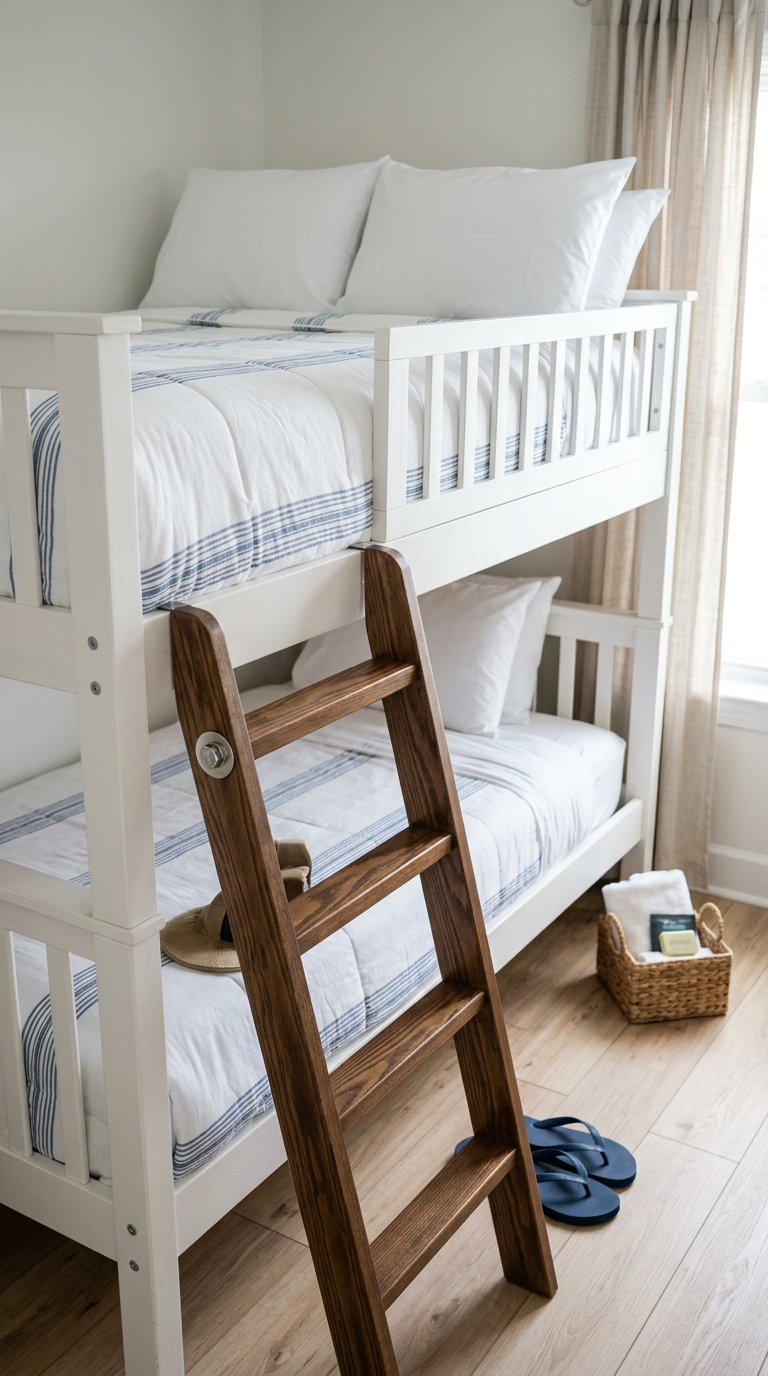
Bunk beds are the secret weapon of high-occupancy Myrtle Beach vacation rentals, allowing property owners to maximize guest capacity and rental yield. However, they are also a leading source of cleaning technician physical fatigue, missed debris spots, and negative guest reviews. When a family checks in after a long drive, discovering hair, sand, or trash on the top bunk instantly ruins their perception of cleanliness. Maintaining these multi-tier sleepers requires a highly disciplined, systematic approach that addresses both hygiene and structural safety during the tight rental turnaround window.
The High-Capacity Myrtle Beach Rental Challenge
Multi-tier bunk beds are crucial for accommodating large multi-generational families visiting the Grand Strand. While these setups increase booking potential, they drastically increase the workload and physical strain on cleaning technicians during a turnaround. Housekeepers must contend with awkward angles, elevated heights, and tight spaces that make standard bed-making techniques impossible. This physical difficulty often leads to shortcutting, resulting in unwashed mattress protectors, missed debris on upper tiers, or loose, untucked sheets that look unprofessional.
The operational impact of poorly managed bunk beds is felt directly in guest reviews and platform ratings. Major booking platforms place a heavy emphasis on cleanliness, and the bunk room is where shortcuts are most easily exposed. A single stray hair or a layer of gritty beach sand on a top bunk mattress can trigger an immediate refund request or a sub-four-star review. Understanding the unique cleaning physics of bunk beds is the first step in establishing a bulletproof turnover process that keeps your property highly rated.
To combat these operational bottlenecks, Grand Strand property managers must view bunk beds not as standard furniture, but as high-intensity zones requiring specialized workflows. This means allocating specific time blocks within the turnover schedule and providing technicians with the proper step stools and tools. Without a dedicated protocol, the physical fatigue of making three or four bunk beds back-to-back will compromise the quality of the entire clean, threatening your property’s search ranking and occupancy rates.
- Analyze bunk bed density when scheduling cleaners to prevent burnout and rushed jobs.
- Train staff to recognize that bunk beds require double the cleaning time of standard queen beds.
- Address the physical ergonomics of upper-tier bed making to protect staff from strain injuries.
- Establish a zero-tolerance policy for skipped linen changes on unoccupied bunk beds.
The Sand-Grit Cavity and Joint Crevice Extraction
Beach sand is highly invasive and acts as an abrasive agent inside bunk bed frames. As children climb up and down, sand shakes loose from their clothes and skin, settling into the joints, slat supports, and frame cavities. Over time, this coarse grit grinds against the wood or metal, degrading structural fasteners and creating an annoying grating noise whenever the bed moves. Cleaning these tight junctions requires more than a casual swipe with a dust rag; it demands deep mechanical extraction.
During every turnover, technicians must use a vacuum equipped with a narrow, rigid crevice tool to clear the perimeter of each bunk platform. Focus on the recessed tracks where the wooden slats rest on the side rails, as these are primary sand accumulation zones. If left unchecked, this sand-grit acts as a moisture trap in our humid coastal climate, accelerating wood rot or metal oxidation. Technicians should systematically vacuum from the top bunk down to prevent debris from falling onto freshly cleaned lower levels.
Following vacuuming, a microfiber cloth damp with an anti-static, residue-free cleaner should be run along the inside of the frame. This step removes the fine, electrostatic dust and salt film that vacuums miss. Pay close attention to the corners where headboards meet side rails, as skin cells and hair naturally migrate to these low points. By thoroughly extracting this hidden grit, you protect the bed’s structural integrity and eliminate the 'gritty sheet' sensation that prompts guests to write negative reviews.
- Use a high-CFM commercial vacuum with a rigid crevice nozzle for maximum grit extraction.
- Always clean multi-tier structures from top to bottom to control falling dust and sand.
- Wipe down metal slat support brackets to prevent salt-air corrosion and squeaking.
- Inspect the frame joints for gray, powdery wood dust that indicates friction damage from trapped sand.
Top-Bunk Fall Hazards and Structural Integrity Checks
Safety is paramount in short-term rental management, and bunk beds carry inherent liability risks. Loose guardrails, wobbly ladders, and compromised joint bolts can lead to serious guest injuries and devastating legal consequences. The high-energy play of children on vacation subjects bunk beds to extreme physical stress. Consequently, every single turnover must include a rapid but rigorous structural check of all multi-tier beds to ensure they remain safe and stable.
Technicians should begin by firmly grasping the top-bunk guardrails and applying lateral pressure to test for movement. Guardrails must be securely anchored with no play or stripping in the wood screws or carriage bolts. Next, inspect the ladder attachment points; whether hook-on or bolt-on, ladders must be flush against the frame without shifting when weight is applied. A loose rung or a cracked step must be flagged immediately to maintenance, and the bed locked out from guest use.
Finally, the main structural corner joints of the bed frame must be checked for stability. If the bed sways or creaks excessively when shaken, the connecting hardware has likely loosened due to wood contraction in our air-conditioned interiors. Property managers should equip turnover supervisors with a basic tool kit containing hex keys and adjustable wrenches. Tightening these structural bolts takes less than two minutes but prevents catastrophic mechanical failures during a guest's stay.
- Verify that top-bunk guardrails sit at least five inches above the top surface of the mattress.
- Inspect ladder rungs for hairline cracks, loose screws, or worn anti-slip grip tape.
- Check that all safety warning labels are visible and undamaged as required by safety standards.
- Document structural checks in your digital turnover log with photo confirmation of secure fasteners.
The Triple-Sheet and Protector Encasement System for Upper Tiers
Making a top bunk is notoriously difficult and is the primary reason cleaning staff shortcut linen changes. Stretching over a guardrail to tuck in sheets is physically exhausting and often results in loose, sloppy bedding that looks unprofessional. To solve this operational bottleneck, Grand Strand hosts should implement a specialized triple-sheeting system paired with fully zippered waterproof mattress encasements. This system balances commercial hygiene with rapid turnover efficiency.
The foundation of this system is a high-quality, zippered, six-sided mattress protector that remains on the bed. This protector shields the mattress core from bedbugs, sweat, and spills, and only needs to be wiped down with disinfectant during turn cleans unless soiled. Over this encasement, technicians apply a fitted sheet, followed by a flat sheet, a lightweight commercial blanket, and a top decorative sheet. This triple-sheet assembly can be tucked neatly under the mattress before it is lifted back into place.
To make the process manageable, technicians should pull the top bunk mattress slightly off the frame or prop it up on its side to apply the linens. Attempting to tuck sheets while the mattress is recessed within the wooden frame is a recipe for hand injuries and loose sheets. Once the sheets are snug, the mattress is slid back into position, and the guardrail is cleared. This technique ensures a crisp, hotel-quality finish that withstands the tossing and turning of restless young guests.
- Use elasticized, deep-pocket fitted sheets to prevent the corners from popping off the mattress.
- Pull the mattress halfway off the frame to easily tuck the bottom and sides without straining.
- Install commercial-grade, fluid-proof zippered encasements to protect your mattress investment.
- Choose lightweight, quick-dry linens to reduce laundry run times during tight same-day turns.
Sanitizing High-Touch Ladder Rungs and Guardrails
Bunk bed ladders and guardrails are extreme high-touch surfaces that harbor high bacterial loads. Children climb them with sticky hands, sunscreen-coated skin, and dirty feet, leaving behind a greasy biofilm that attracts more dirt and sand. If these surfaces are not thoroughly sanitized, they become vectors for cross-contamination and feel physically sticky to the touch. A guest who grips a sticky ladder rung will immediately question the cleanliness of the entire rental.
To sanitize these areas effectively, technicians must use an EPA-registered, neutral disinfectant that cuts through grease without degrading the wood finish or metal paint. Avoid harsh bleach solutions that can discolor wood stains or strip protective coatings. Spray the disinfectant directly onto a clean microfiber cloth rather than spraying the wood itself, which can lead to chemical pooling and drip marks. Rub down each rung of the ladder, paying special attention to the underside where fingers grip.
Guardrails require the same thorough treatment, especially along the top edge where guests rest their hands and faces. Ensure the disinfectant remains wet on the surface for the manufacturer’s recommended contact time to achieve full sanitization. This step not only neutralizes pathogens but also removes the unsightly smudges and sunscreen haze that dulls the furniture's appearance. Clean, smooth-feeling wood and metal reinforce the guest's confidence that your property is professionally managed.
- Apply neutral, EPA-registered disinfectants using clean microfiber cloths to protect furniture finishes.
- Ensure the disinfectant meets the required wet-contact time to fully neutralize bacteria.
- Wipe the undersides of ladder rungs where oils and sweat accumulate from climbing.
- Remove white sunscreen haze from guardrails using a dedicated degreasing cleaner.
Standardizing the Bunk Bed Inventory and Safety Audit
In the fast-paced world of short-term rentals, consistency is the key to maintaining high review scores. Property managers cannot rely on technicians remembering every step of a complex bunk bed clean by memory. To ensure operational excellence, hosts must integrate a standardized bunk bed safety and cleanliness audit into their digital inspection software. This checklist bridges the gap between field technicians and off-site operations managers, providing real-time quality control.
The digital audit should require the cleaning technician or inspector to upload geo-tagged, time-stamped photos of the completed bunk bed. These photos must clearly show the tight tuck of the linens, the clean gap between the frame and the wall, and the overall stability of the ladder. If an inspector identifies an issue, such as a loose screw or a stained mattress protector, they can immediately log a maintenance ticket within the system, preventing the issue from reaching the incoming guest.
Standardizing this audit also protects your business from liability. Having a documented history of safety checks for every turnover proves that you exercised due diligence in maintaining the property’s fixtures. In the event of a guest dispute or platform complaint, these records serve as undeniable proof of your high standards. Investing in these systematic checks secures your property's reputation, protects your guests, and keeps your Grand Strand vacation rental performing at its peak.
- Require time-stamped photo confirmation of completed top-bunk linens before ending the turn clean.
- Integrate structural check questions directly into your digital inspection checklist.
- Establish a direct communication channel for cleaners to instantly report broken or loose bunk parts.
- Maintain a historical archive of safety checks to protect against potential liability claims.
Key takeaway
Managing bunk beds in Myrtle Beach vacation rentals requires a strict combination of deep sand extraction, safety checks, and specialized bed-making techniques. By standardizing this protocol, property managers can eliminate guest complaints, prevent injuries, and secure the five-star reviews needed to thrive on short-term rental platforms. For professional turnover assistance and premium linen programs, contact A2Z Cleaning & Linen Services at 843.800.2788.
Related services
Keep Reading
Vacation Rentals
The Private Game Room and Garage Suite Turnover: Preventing Sticky Arcade Screens, Felt Damage, and Sand Accumulation in Grand Strand Rentals
ReadVacation Rentals
Deep Cleaning Your Myrtle Beach Rental After the Winter Off-Season
ReadVacation Rentals
The Grand Strand Vacation Rental Onboarding and Property-Profile Standardization Protocol: Syncing PMS Hardware Maps, Housekeeping Checklist Blueprints, and Vendor Supply Loops for Scaling Portfolios
ReadReady for a spotless property?
Call 843.800.2788 or request a free quote from A2Z Cleaning & Linen Services.