Vacation Rentals
The Coastal Vacation Rental Beach Gear and Guest Amenity Storage Turnover Protocol: Mitigating Humid Sand Build-Up, Rust-Stained Fabrics, and Cooler Biofilms under Grand Strand Turn Pressures
Learn how to manage, sanitize, and preserve guest beach amenities in Grand Strand rentals to prevent mold, rust, and negative reviews during tight turnover windows.
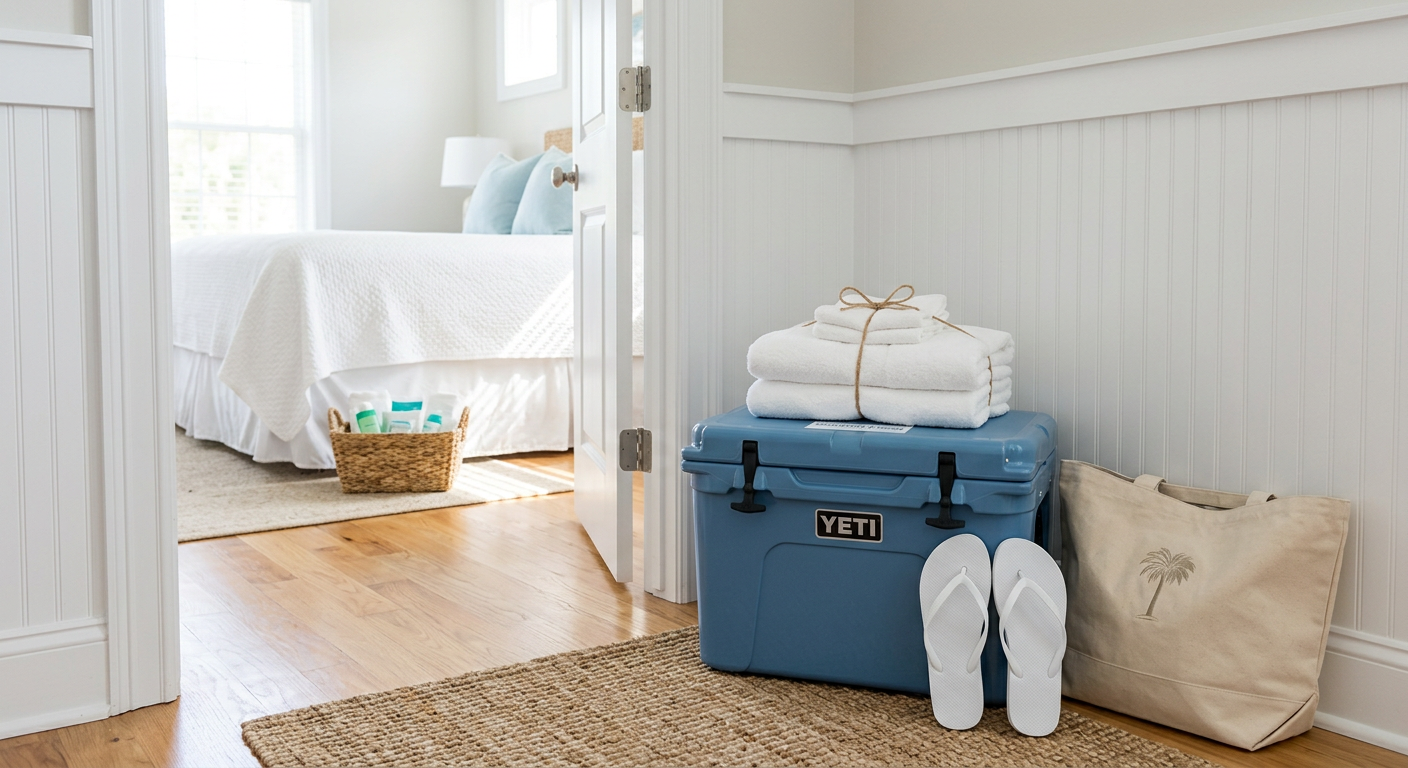
Providing beach chairs, carts, and coolers is a proven way to boost booking rates for Grand Strand vacation rentals, but maintaining these items under intense turnover windows is a significant operational challenge. Left unmanaged in dark, humid outdoor closets, these guest amenities rapidly accumulate abrasive quartz sand, corrosive salt-spray crust, and organic mold biofilms. A single rusted chair hinge or a moldy, foul-smelling cooler lid can turn a highly anticipated beach trip into an immediate one-star review before the guest even steps inside. At A2Z Cleaning & Linen Services, we understand that professional hospitality extends beyond the interior walls, requiring a systematic approach to outdoor amenity management.
The High Stakes of the Beach Gear Closet in Grand Strand Rentals
When a guest books a premium rental along the Grand Strand, they expect the advertised beach gear to be in clean, functional, and inviting condition. However, the beach gear closet is historically one of the most neglected zones during a busy Saturday turnover. Sand, saltwater, and humidity create a destructive microclimate inside outdoor storage bins, under-deck lockers, and ground-floor garages. Neglecting these areas leads to moldy coolers, rusted chair frames, and sand-clogged beach carts that trigger immediate guest complaints.
To protect your vacation rental investments and preserve your booking platforms five-star rating, guest amenity storage must be integrated directly into your turnover workflow. Our cleaning and property management teams regularly observe how a dirty exterior amenity closet ruins a guests first impression, casting a shadow of doubt over the cleanliness of the entire home. Cleanliness cannot stop at the entryway door; it must extend to every physical asset your guests are invited to use during their stay.
Establishing a rigid turnover protocol for these items ensures they remain safe, hygienic, and fully operational throughout the punishing Myrtle Beach rental season. This guide outlines the specific steps needed to combat the unique combination of fine quartz sand, high coastal humidity, and heavy guest turnover. By treating the beach gear closet as a vital piece of your overall hospitality package, you protect your physical assets and guarantee a seamless guest experience.
The Sandy-Silt Infiltration Problem in Storage Zones
The fine quartz sand found throughout the Grand Strand is highly abrasive and easily migrates into the smallest crevices of storage boxes, shed tracks, and closet floors. As guests return from the beach, they carry pounds of sand clinging to damp chairs, umbrella poles, and beach cart tires. Once packed away in dark storage zones, this wet sand dries out, detaches, and forms a thick, grinding dust layer over every available surface.
Over time, this sand-silt accumulation acts as an industrial abrasive, grinding away at plastic wheels, scoring metal shafts, and wearing down fabric fibers. If left unmanaged, the mechanical parts of beach wagons and adjustable chairs will seize or break, forcing costly replacements mid-season. Furthermore, sand-clogged door tracks on outdoor storage sheds become difficult to open, leading to guest frustration and physical damage to the enclosure latching mechanisms.
To mitigate this issue, turnovers must include a rapid sand-clearance step utilizing a high-velocity portable leaf blower or a stiff-bristled utility broom. Clearing the floor of the storage enclosure first prevents sand from being kicked back up onto clean gear. This simple, high-speed intervention prevents the abrasive buildup that prematurely ages your outdoor amenities and keeps the storage space looking orderly, clean, and professional for incoming arrivals.
- Blow out or sweep all sand from the storage locker base before cleaning the gear.
- Check door tracks and locking mechanisms for sand blockages.
- Wipe down interior walls and shelves with a damp microfiber cloth to capture airborne dust.
- Organize items on elevated plastic grates to allow remaining sand to drop to the floor.
Cooler and Beverage-Carrier Decontamination Standard
An unwashed cooler stored in a dark, humid Grand Strand closet is an incubator for microbial growth. When guests return from a day on the sand, they often close cooler lids while the interiors are still damp with melted ice, spilled beverages, or organic food residues. Within forty-eight hours of exposure to South Carolina heat, this trapped moisture fosters black mold biofilms, yeast colonies, and rancid organic odors.
Rinsing a cooler with a garden hose is not enough to eliminate these microscopic pathogens. Our team uses a strict decontamination protocol that begins with thoroughly washing the interior and exterior using an EPA-registered, botanical-based disinfectant sanitizer. Special attention must be paid to the rubber lid seals, drain plugs, and carry handles, where organic debris and contaminated pool water frequently accumulate and hide.
After sanitization, coolers must be dried completely with a clean towel before being stored. Crucially, the cooler lid should be left slightly propped open to allow continuous airflow and prevent condensation buildup during unoccupied periods. If a guest opens a cooler and is met with a blast of musty mold, they will immediately associate your property with poor housekeeping, regardless of how clean the master bathroom is.
Beach Chair and Umbrella Fabric Restoration and Salt-Removal Workflow
Beach chair fabrics and patio umbrella canvases are continuously subjected to saltwater spray, sunscreen oils, and human sweat. These organic and inorganic compounds bind to polyester and nylon fibers, creating stiff, salt-crusted patches and unsightly white rings. If these fabrics remain damp in a dark closet, they will rapidly develop mildew rot, which weakens the textile tensile strength and causes the fabric to tear under pressure.
To dissolve these corrosive salt crystals and remove body oils, fabrics must be treated with a diluted surfactant solution that breaks the bond between salt and synthetic fibers. Cleaners should spray the fabrics down, paying attention to the headrest and armrest zones where sunscreen and sweat accumulate. A light scrub with a soft-bristled brush, followed by a fresh-water rinse, is highly effective at preserving the colors and structural integrity of the gear.
Equally important is the inspection of metal frames and hinges. Saltwater accelerates the oxidization of aluminum and stainless steel parts, leading to frozen hinges and structural failures. During the turn, a quick inspection for rust spots followed by a targeted wipe with a corrosion inhibitor keeps folding chairs opening smoothly. This step prevents the embarrassing situation of a guest carrying a broken or seized chair down to the ocean.
Sand Wagon and Beach Cart Wheel and Axle Maintenance
All-terrain beach wagons and heavy-duty carts are the workhorses of a family beach vacation. However, their moving parts are highly vulnerable to sand intrusion and saltwater exposure. The metal axles, cotter pins, and plastic wheel bearings are constantly ground down by fine quartz sand. Without regular maintenance, these wheels will lock up, squeak loudly, or wobble off their mounts, rendering the cart useless to your guests.
Cleaners must inspect the undercarriage of beach carts during the turnover window. Spraying the wheel assemblies with fresh water removes packed sand and salt crust from the bearings. If wheels show signs of stiffness, applying a dry, Teflon-based marine lubricant prevents sand from sticking to the moving parts, unlike wet oils or heavy greases which actively attract and trap abrasive grit.
A broken beach cart is a major operational headache that often results in guests dragging heavy gear across the hot sand, leading to negative reviews and complaints. Keeping these wheels spinning freely is a simple task when integrated into a standard maintenance rotation. Consistently checking tire inflation on pneumatic models and ensuring structural frames are securely bolted guarantees that your guests can transport their gear safely and effortlessly.
- Rinse the wheel wells and axles with pressurized fresh water to clear packed sand.
- Inspect locking pins and structural bolts for signs of salt corrosion or loose threads.
- Apply a dry silicone or Teflon lubricant to axles; avoid sticky, grease-based lubricants.
- Confirm that telescoping handles slide and lock into place without binding.
The Left-Behind Hazard: Wet Towels, Half-Eaten Bait, and Broken Toys
The beach gear closet frequently becomes a dumping ground for items guests do not want to pack for their journey home. This includes wet towels, broken plastic beach buckets, half-used sunscreen bottles, and occasionally, rotting bait tubs or discarded fishing tackle. If these items are left in the closet until the next guest arrives, they create biological hazards, foul odors, and safety risks.
Turnover crews must perform a total clearing of the storage locker to separate owner-provided amenities from guest trash. Any broken plastic toys, cracked boogie boards, or rusted metal items should be immediately discarded to prevent guest injuries. Wet rental towels or linens found in these bins must be sent to our commercial laundry facility to prevent them from souring and ruining the rest of the storage inventory.
Any guest-owned beach items that are still in usable condition should be evaluated based on the property managers specific retention policy. Keeping the closet uncluttered is essential for maintaining an organized, high-end presentation. When a guest opens a neat, organized storage closet containing only high-quality, clean amenities, it reassures them of your commitment to their comfort and safety.
Storage Enclosure Pest Prevention and Odor Mitigation
The hot, humid, and dark interior of an outdoor storage shed or garage locker is an attractive harbor for coastal pests, including palmetto bugs, spiders, and stinging insects. These pests are drawn to the moisture on damp beach gear and any trace of organic food residues left on coolers or in cup holders. Discovering a wasp nest or a large spider inside a folded beach chair is an unsettling experience for any vacationing family.
To prevent pest intrusions, the storage enclosure must remain dry, ventilated, and free of food debris. Cleaning teams should wipe out cup holders and cooler exterior surfaces with sanitizing solutions to eliminate attractive food scents. Utilizing weather-stripping on closet doors and maintaining active, non-toxic pest barriers around the perimeter of the storage locker helps deter local insects from nesting in the gear.
Odor control is the final step in presenting a professional storage space. Placing moisture-absorbing bags or activated charcoal deodorizers inside the closet helps control the damp, stagnant air smell that naturally builds up in coastal climates. These simple, inexpensive additions keep the storage area smelling clean and dry, assuring guests that the gear inside is clean and ready for immediate use.
Integrating Beach Gear Audits into the PMS Housekeeping Checklist
To guarantee that the beach gear closet is never skipped during the frantic weekend rush, property managers must integrate these checks directly into their Property Management Software (PMS) checklists. Our team uses automated, photo-verified inspection steps to ensure our field technicians physically open every storage locker, inventory the contents, and verify their cleanliness before confirming the property is clean.
By building specific prompts into your housekeeping software, you ensure that every cleaner verifies the cooler is sanitized, the chairs are rinsed, and the floor is swept before completing the turn. This structured approach removes the guesswork from vacation rental operations and ensures a consistent standard across your entire Grand Strand portfolio. It also allows you to track wear-and-tear trends, helping you plan ahead for off-season replacements.
If you are looking to elevate your vacation rental standards, protect your physical assets, and stop losing points on guest reviews due to dirty beach amenities, our professional team is here to help. Contact A2Z Cleaning & Linen Services today at 843.800.2788 to learn how our comprehensive, hospitality-grade turnover and linen services can transform your Grand Strand property operations.
Key takeaway
Maintaining pristine guest beach amenities is a vital but often overlooked component of Grand Strand vacation rental hospitality. By implementing a systematic turnover protocol that sanitizes, dries, and organizes outdoor storage spaces, property managers can eliminate bad reviews and prolong the life of their high-value physical assets.
Keep Reading
Vacation Rentals
The Coastal Bunk Bed and Multi-Tier Sleeper Turnover Protocol: Mitigating Sand-Grit Cavities, Structural Bolt Failures, and Top-Bunk Linen Hazards in Grand Strand Vacation Rentals
ReadVacation Rentals
The Private Game Room and Garage Suite Turnover: Preventing Sticky Arcade Screens, Felt Damage, and Sand Accumulation in Grand Strand Rentals
ReadVacation Rentals
Deep Cleaning Your Myrtle Beach Rental After the Winter Off-Season
ReadReady for a spotless property?
Call 843.800.2788 or request a free quote from A2Z Cleaning & Linen Services.