Vacation Rentals
The Coastal Vacation Rental Cookware, Dinnerware, and Kitchen Cabinet Turnover Protocol: Mitigating Sticky Seafood Oils, Chipped Glassware, and Inventory Drift under Grand Strand Saturday Turn Pressures
A deep operational guide to mastering kitchen cabinet turnover, protecting dinnerware, and eliminating sticky grease to secure five-star guest reviews in Grand Strand vacation rentals.
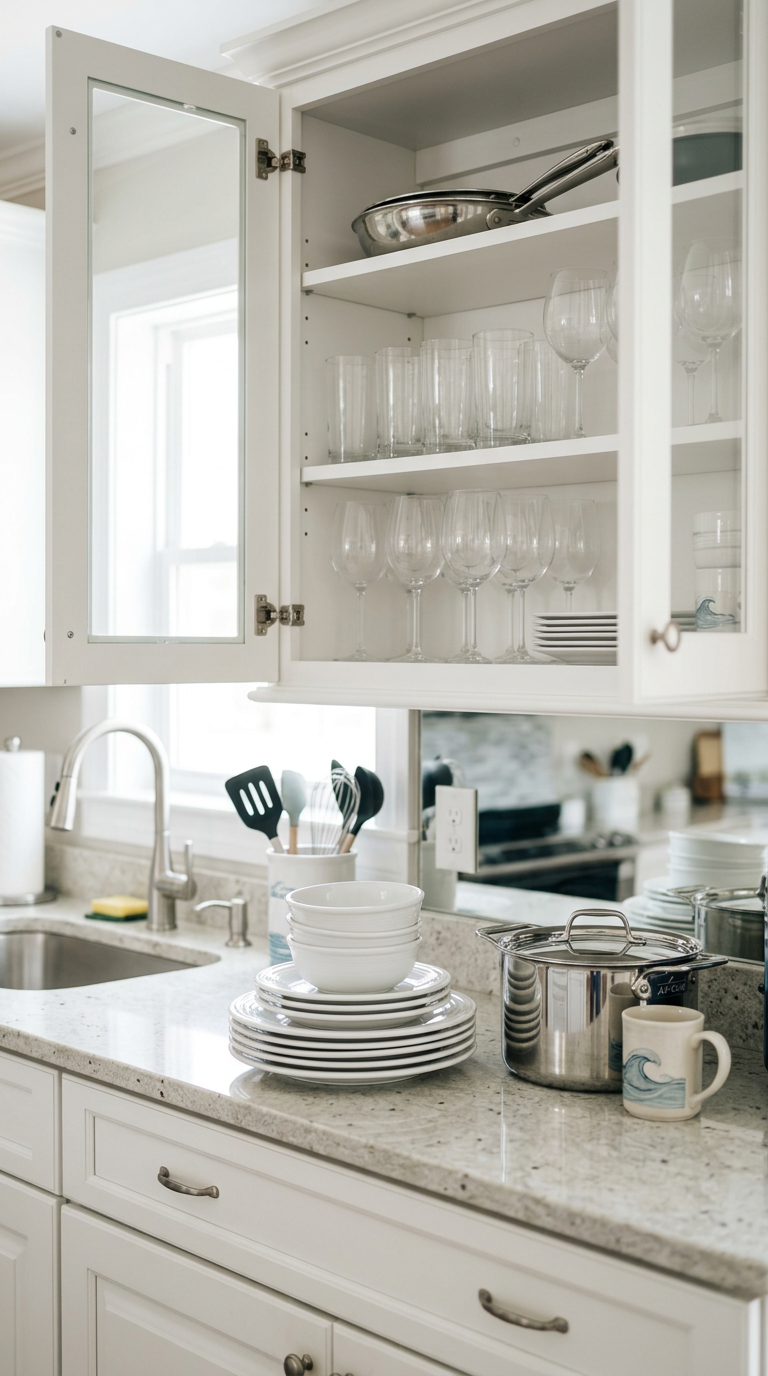
For vacation rental managers and homeowners along the Grand Strand, the kitchen is both a primary selling point and a major operational bottleneck. While guests seek out spacious kitchens to prepare fresh local seafood, the wear and tear on these spaces during peak summer seasons is extreme. A single greasy pan or chipped wine glass discovered by an incoming guest can instantly ruin a five-star review, regardless of how clean the rest of the property is. Implementing a rigorous, standardized kitchen turnover protocol is essential to maintaining brand standards and protecting your property from negative platform feedback.
The Kitchen Cabinet Crisis: Why Sticky Dinnerware Costs You Five-Star Myrtle Beach Reviews
When guests check into a premium rental along Ocean Boulevard or a beach home in Cherry Grove, they expect an immaculate space. While pristine linens and sparkling bathrooms are essential, it is often the kitchen cabinets where the overall perception of cleanliness succeeds or fails. Discovering a greasy skillet, a coffee mug ringed with lipstick, or a sticky plate immediately destroys a guest's trust in the rental's housekeeping standards. This single moment of friction frequently translates into immediate complaints to property management and critical online reviews.
On short-term rental platforms like Airbnb and VRBO, guests equate kitchen cleanliness directly with personal safety and hygiene. When they open cabinets to find mismatched, sticky plates or sandy water glasses, they assume the bedding and bathrooms are equally compromised. This psychological link makes the kitchen cabinet area a high-stakes zone for property managers who cannot afford refund requests or low cleanliness ratings during a compressed rental season.
The Grand Strand presents a unique challenge because of the high volume of multigenerational families booking weekly stays. These groups utilize kitchens heavily, preparing large family meals that put extreme wear on cookware, dinnerware, and cabinet surfaces. Standard housekeeping teams often miss the subtle buildup of grime, leading to a slow decline in inventory quality that ultimately triggers negative guest feedback.
- Unwashed undersides of plates stacked in cabinets by previous guests.
- Lipstick and coffee ring residues left behind by low-tier dishwasher cycles.
- Sandy water glasses caused by improper rinsing before cabinet storage.
- Greasy residue on frying pans that transfers to clean shelving.
The Seafood Oil and Condensation Matrix: How Coastal Cooking Settles on Shelf Surfaces
Frying local shrimp, boiling lowcountry boils, or searing fresh catch releases aerosolized grease, salt, and moisture into the air. In the high-humidity environment of Myrtle Beach, these airborne oils bond with salt-air currents and settle inside cabinet interiors. Even when cabinet doors are kept closed, this sticky, microscopic film finds its way onto stored dinnerware and shelf surfaces over time.
This persistent film acts as a magnet for fine sand dust brought in from the beach. Over a few weeks of rental turns, unused plates and glasses at the back of the shelf develop a tacky, gritty texture. When a guest reaches for a wine glass that hasn't been used in a month, they are met with a dusty, sticky feel that screams neglect, even if the glass was clean when put away.
To combat this coastal oil matrix, standard wiping with dry cloths is entirely ineffective. Housekeepers must utilize targeted surfactant chemistry that cuts through organic lipids without leaving behind a toxic chemical residue. The cleaning agents used must be food-safe, fragrance-free, and capable of lifting salt-bound oils from wood, laminate, and glass surfaces without damaging the underlying material.
The Rapid Plate-by-Plate and Glassware Scan: Mitigating Chipped Edges and Fingerprint Smudges
During a frantic Saturday turnover, housekeepers cannot simply assume that items inside the cabinet are clean. The protocol must mandate a systematic, tactile, and visual check of all plates, bowls, and drinking glasses. This process requires housekeepers to physically handle items, scanning for chipped rims, cracks, and lingering food debris that previous guests may have missed.
A critical step involves holding drinking glasses up to the natural coastal light. This quick visual scan reveals fingerprints, water spots, and cloudy hard-water deposits that are invisible in dark cabinet corners. Any glass that shows signs of cloudiness or spots must be pulled, run through a sanitizing cycle, or hand-polished with a dry microfiber cloth before the next guest arrives.
Tactile checking is equally important. Cleaners should run a gloved finger along the rims of plates and bowls while stacking them. This step identifies chips that pose a safety hazard to guests. Chipped items must be immediately removed from the inventory, documented in the property management system, and replaced from the owner closet to maintain professional presentation.
- Inspect glass rims for microscopic hairline fractures and sharp chips.
- Check plate bases for dark gray fork scratches and food residue.
- Verify that coffee mugs do not have interior brown stains or handle cracks.
- Use dry microfiber cloths to polish water spots off glassware.
Cookware and Bakeware De-greasing: Combatting Carbonized Residue and Fish Odor Transfer
Cookware is the most abused asset in any Grand Strand vacation rental kitchen. Teflon frying pans with deep gouges, rusted cast iron, and baking sheets covered in baked-on grease are common sights on Saturday turns. A scratched non-stick pan is not only unsightly, but it also releases synthetic polymers into food, posing a liability and a guaranteed source of guest complaints.
Eliminating persistent seafood odors is a major operational challenge. Frying fish or cooking crab legs can leave a strong, oily scent on cookware that transfers to the next guest's morning pancakes. Housekeepers must inspect all pots and pans for odor residue, using food-safe deodorizers like white vinegar or baking soda pastes on stainless steel to neutralize organic compounds.
The underside of cookware must also be checked during every turn. Carbonized grease on the bottom of a frying pan can easily rub off onto high-end quartz, granite, or solid-surface countertops. This transfers black soot to clean surfaces, creating secondary cleaning issues and potential staining that ruins the premium aesthetic of the kitchen.
Drawer Organizers and Knife Block Sanitation: Tackling Sand Drift and Food Crumbs
Utensil drawers are natural collection zones for coastal sand, hair, and food crumbs. Guests open these drawers multiple times a day, making them a high-visibility inspection point. Every Saturday turn protocol must include lifting the plastic or bamboo silverware organizer out of the drawer to clean the drawer lining beneath it.
Sand particles drift into the corners of knife blocks and silverware dividers, mixing with sticky residues from poorly washed forks and spoons. Housekeepers must vacuum these drawers using a brush attachment, followed by a thorough sanitizing wipe-down. Standardizing this step prevents guests from finding sand-coated spoons when they go to eat their breakfast.
Knife blocks require specialized sanitation. The narrow slots can harbor moisture and food particles, leading to mold and mildew growth in the humid Myrtle Beach climate. Cleaners must shake out the knife block to remove debris, inspect the slots for biological growth, and treat the block with dry steam or botanical sanitizers to ensure a safe, hygienic culinary setup.
- Lift and sanitize beneath all silverware organizer trays every turn.
- Inspect knife slots for organic debris, mold, and humidity-induced moisture.
- Sanitize all cooking utensils, spatulas, and tongs stored in countertop crocks.
- Vacuum drawer slides to remove sand grit that jams drawer rollers.
The Standardized Kitchen Inventory Audit: Maintaining Par Levels for Beach Families
Inventory drift is a quiet drain on guest satisfaction and rental profitability. Over the course of a busy summer, forks are accidentally thrown away with paper plates, wine glasses break, and coffee mugs find their way into bedrooms or balconies. A kitchen designed to sleep twelve guests that only contains six dinner plates will trigger immediate, angry calls to guest services.
The turnover protocol must include a visual inventory count against a laminated checklist placed inside the owner closet or on the housekeeping app. This checklist specifies the exact par levels required for the unit's maximum occupancy. Any missing items must be flagged immediately and replenished from the decentralized supply locker before the next guest checks in.
Removing mismatched, cheap replacement items from the cabinets is also crucial. When previous guests or low-tier cleaning services leave behind random, mismatched dishes, it degrades the curated feel of a high-end rental property. Maintaining a cohesive, fully stocked set of dinnerware reinforces your brand and justifies premium nightly rates.
Cabinet Interior and Hardware Detailing: Eliminating Sticky Knobs and Shelf Dust Film
Cabinet faces and hardware are major touchpoints that accumulate natural skin oils, sunscreen, and food grease. Sticky cabinet knobs or grease-smeared cabinet doors are immediate indicators of rushed housekeeping. During the turnover, all handles, knobs, and cabinet faces must be wiped down with a degreasing microfiber cloth.
The interior shelves themselves require regular attention. Even if the dinnerware is clean, placing plates back onto a shelf covered in dust, salt-film, or crumbling shelf paper ruins the guest experience. Every shelf must be wiped down, paying special attention to the corners where dust and sand particles tend to collect.
Addressing high cabinet tops and the undersides of wall cabinets is another critical step. These areas are prone to collecting grease-bound dust that can easily drift down onto food preparation zones or freshly washed dishes below. Keeping these hidden areas free of grease buildup ensures a healthier indoor environment and prevents unpleasant odors.
- Degrease all metal cabinet handles, hinges, and drawer pulls.
- Wipe down cabinet interiors, removing salt-dust rings from glassware bases.
- Clean cabinet tops and the undersides of upper cabinets to prevent grease drift.
- Replace worn or peeling shelf liners that harbor sticky food residues.
Operationalizing the Kitchen Turn: Team Training and Saturday Dispatch Coordination
Successfully managing this level of detail during a tight Saturday turn window requires a structured operational system. A2Z Cleaning & Linen Services addresses this by employing specialized, trained inspectors who coordinate directly with the primary turnover team. This division of labor ensures that while linens are being stripped and bathrooms sanitized, the kitchen is audited systematically.
To handle rapid inventory replenishment, our mobile fleet carries fully stocked kitchen replacement kits during peak weekend turn windows. When an inspector notes a broken wine glass, a damaged skillet, or a missing corkscrew, they log it via our property management system, triggering a dispatch for immediate replacement before the new guest arrives.
By treating kitchen cabinets with the same operational rigor as luxury linens, Grand Strand property managers can protect their property investments, eliminate guest complaints, and maintain a reputation for flawless quality. It transforms a high-complaint zone into a reliable asset that wins repeat bookings season after season.
Key takeaway
A spotless, fully stocked kitchen cabinet is a direct reflection of your rental's overall standards. By implementing a systematic inspection, degreasing, and inventory protocol, Grand Strand property managers can eliminate negative reviews and operational friction. Trust A2Z Cleaning & Linen Services to keep your rental kitchen pristine under the high pressures of Saturday turnovers.
Keep Reading
Vacation Rentals
The Coastal Vacation Rental Bathroom Vanity Drawer and Under-Sink Cabinet Turnover Protocol: Mitigating Stray Hair Contamination, Cosmetic Residues, and Damp Water-Pipe Mold under Grand Strand Saturday Turn Pressures
ReadVacation Rentals
The Grand Strand Vacation Rental Decentralized Supply Locker and Owner Closet Logistics Protocol: Managing In-Unit Stocking, Vendor Audits, and Saturday Replenishment at Scale
ReadVacation Rentals
The Coastal Vacation Rental Coffee Maker, Keurig, and Beverage Station Turnover Protocol: Mitigating Moldy Reservoirs, Rancid Oil Biofilms, and Hard-Water Scale under Grand Strand Saturday Turn Pressures
ReadReady for a spotless property?
Call 843.800.2788 or request a free quote from A2Z Cleaning & Linen Services.