Linens & Laundry
The Grand Strand Commercial Linen and Industrial Laundry Plant Specialist Career Pathway: Thermal Disinfection Standards, Heavy-Machinery Safety, and Competitive Compensation Structures
Discover how establishing professional career pathways for industrial laundry specialists ensures high-quality fabric care, safety compliance, and employee retention in Grand Strand plants.
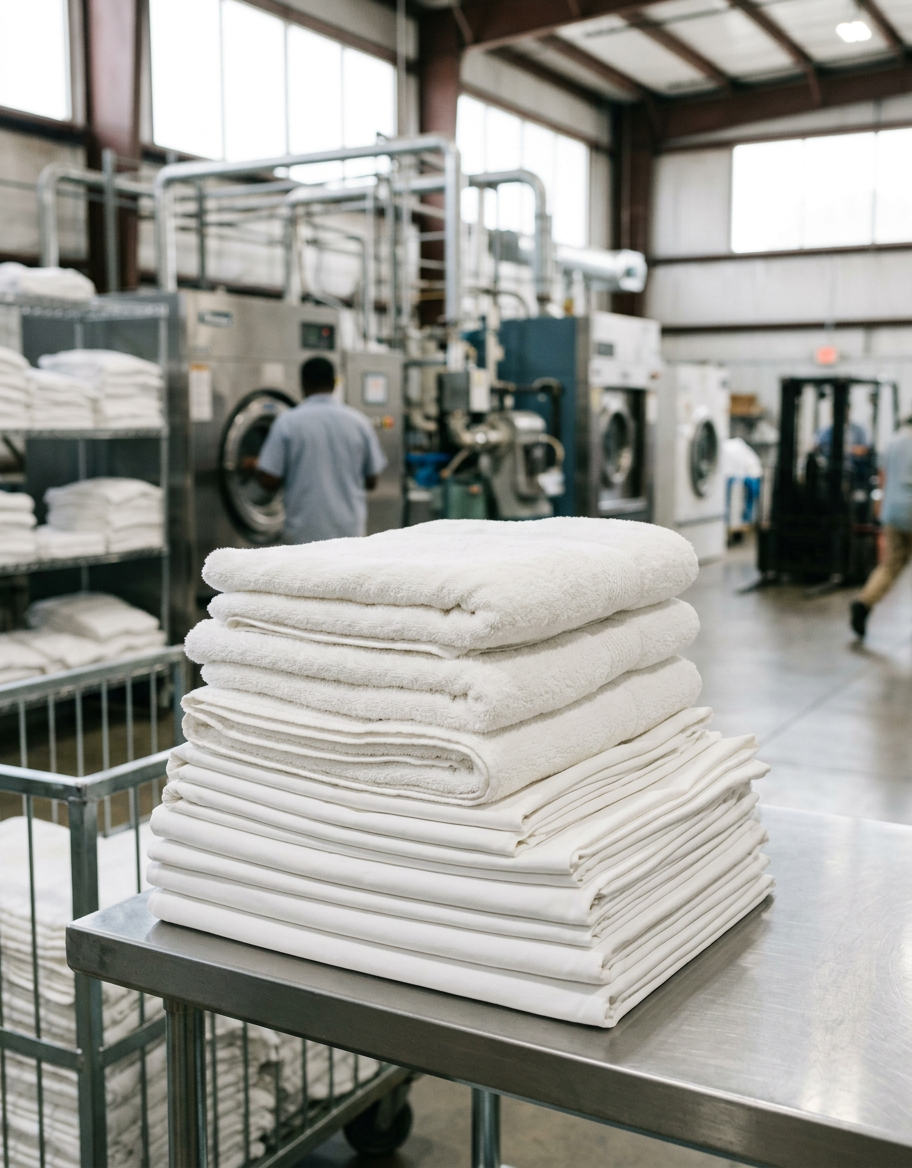
Along the Grand Strand, high-volume hospitality operations require an uninterrupted flow of pristine linens to maintain guest satisfaction and operational momentum. This demand has transformed the role of laundry workers from seasonal helpers into highly skilled Commercial Linen and Industrial Laundry Plant Specialists. These professionals must manage complex wash chemistry, monitor thermal disinfection standards, and operate advanced machinery under intense seasonal pressure. A2Z Cleaning & Linen Services supports this essential local workforce by establishing a clear, rewarding career pathway that prioritizes safety, technical expertise, and long-term retention.
The Evolution of the Grand Strand Commercial Linen Specialist
Historically, coastal laundry facilities relied on seasonal, low-skilled labor to survive the summer tourism peaks in Myrtle Beach. However, the rise of luxury vacation rental portfolios and strict hospitality standards has elevated the commercial linen technician to a highly technical career path. Today's specialists do not just fold sheets; they manage sophisticated thermal and chemical processes to ensure safety and hygiene. This shift has turned what was once a transient summer job into a year-round profession focused on precision and technical mastery.
Grand Strand resorts and property management companies require vast inventories of sheets, towels, and food-and-beverage linens to be processed within short windows. The modern laundry plant specialist must understand how high-volume output impacts fiber integrity and public health. This requires an operational understanding of stain classification, moisture retention, and high-speed sorting. By treating linen care as a specialized discipline, local facilities can lower linen replacement costs and guarantee a premium guest experience across the Grand Strand.
Transitioning to a professionalized laundry workforce also addresses the chronic issue of peak-season service interruptions. When technicians view their work as a viable career path with clear advancement, operational errors and absenteeism drop dramatically. Specialists take pride in maintaining the hygiene standards of thousands of rental units, realizing their direct contribution to the coastal hospitality economy. This structural shift from temporary labor to career-focused specialists forms the foundation of modern, reliable commercial laundry operations.
Technical Competencies: Wash Chemistry and Fabric Physics
At the core of a professional laundry specialist's skill set is a deep understanding of wash chemistry and fabric physics. Technicians must understand how water temperature, pH levels, and chemical titration interact to break down soils without degrading fabric fibers. In the Grand Strand, municipal water supplies often carry high mineral loads that can gray white linens if not properly neutralized. A skilled specialist monitors these water hardness levels and adjusts builders, surfactants, and sours to maintain linen brightness and softness.
Thermal disinfection is another critical competency, requiring a precise balance of temperature and time to eliminate pathogens. Specialists must ensure that wash cycles maintain a minimum temperature of 160 degrees Fahrenheit for at least 25 minutes to meet healthcare-grade sanitization standards. They must also manage chlorine and oxygen-based bleaching agents, knowing exactly when to apply them in the wash cycle to avoid weakening the tensile strength of the cotton fibers. Mismanaging these chemicals can prematurely age a sheet, leading to costly inventory tear-outs.
Fabric physics also dictates how linens behave during the extraction and drying phases. Specialists monitor moisture retention percentages after high-speed spin cycles to prevent energy waste and fiber scorching during flatwork ironing. They must recognize how different weaves, such as sateen and percale, respond to mechanical stress and thermal heat. Understanding these material properties allows the technician to optimize cycle times, prevent fabric pilling, and ensure that every item emerges from the ironer with a crisp, professional finish.
- Water Hardness Level Adjustments: Counteracting mineral-heavy municipal supplies to prevent fabric graying and stiffness.
- Thermal Disinfection Thresholds: Sustaining water temperatures at or above 160 degrees Fahrenheit for a minimum of 25 minutes.
- Titration and pH Balancing: Verifying acid-base levels to ensure complete chemical neutralization during the final rinse cycle.
- Surfactant and Bleach Timing: Injecting chemical agents at precise cycle stages to maximize stain removal without weakening cotton fibers.
- Moisture Retention Management: Monitoring spin-cycle mechanical extraction to optimize flatwork ironer speed and thermal efficiency.
Industrial Laundry Machinery Operation and Safety Protocols
Operating commercial laundry machinery requires strict adherence to safety protocols to prevent workplace injuries and equipment damage. Industrial plants utilize massive continuous batch washers, high-speed extractors, and multi-roll flatwork ironers that operate under extreme pressure and heat. Specialists must be fully trained in lock-out/tag-out (LOTO) procedures before performing routine cleanings or clearing linen jams in mechanical folders. Recognizing the warning signs of mechanical wear, such as belt slippage or hydraulic pressure drops, is essential to maintaining daily output.
Safe operation of commercial ironers is particularly demanding, as these machines use steam or thermal oil heated to over 300 degrees Fahrenheit. Technicians must practice proper posture and hand placement, using safety guards and emergency stop bars consistently. They are also trained to handle heavy bulk sling-loading systems that transport hundreds of pounds of damp laundry overhead. By prioritizing safety education, laundry operations protect their most valuable asset—their technicians—while avoiding costly emergency maintenance shutdowns during the frantic summer turn season.
Beyond individual machine safety, specialists must maintain clean air and floor conditions within the plant. High-volume textile processing releases massive amounts of lint, creating severe air quality issues and potential fire hazards. Technicians must adhere to scheduled lint-trap cleanings and dust-down procedures for dry-stacking zones. Managing floor moisture is equally critical, as wet-process areas are susceptible to slips and falls. A clean, dry, well-ventilated plant is the hallmark of a professional team committed to operational safety and environmental health.
Professional Certifications and Training Pathways
Establishing a clear training pathway is vital for transitioning entry-level operators into skilled technical leads. A structured onboarding program begins with basic linen sorting, soil classification, and safety fundamentals. As technicians gain experience, they progress to machinery calibration, wash formula programming, and chemical safety management. This step-by-step training model ensures that every team member is fully competent in basic operations before handling complex commercial chemistry or high-speed finishing equipment.
Professional certifications from recognized industry bodies, such as the Textile Rental Services Association (TRSA), provide measurable benchmarks for career advancement. Specialists can earn certifications like Certified Laundry Distributor or achieve specialized training in Hygienically Clean standards. These credentials validate a technician's expertise in infection control, quality assurance, and environmental efficiency. By supporting team members in pursuing these certifications, local facilities build a highly capable workforce that can easily adapt to evolving hospitality and medical standards.
In addition to external certifications, continuing education on OSHA standards and hazardous material handling (HAZCOM) is essential. Technicians must know how to read Safety Data Sheets (SDS) and safely manage chemical spills or exposure. Providing structured monthly training sessions on topics like ergonomic lifting, heat stress prevention, and first-aid response keeps safety top-of-mind. This educational investment not only elevates the professional status of the team but also builds a culture of safety that reduces workplace incidents.
Behavioral Interviewing: Recruiting for Precision and Stamina
Recruiting the right talent for an industrial laundry environment requires going beyond basic resume reviews to assess core behavioral traits. A successful specialist must possess physical stamina, attention to detail, and the ability to work collaboratively under tight deadlines. During the interview process, managers should ask behavioral questions that reveal how candidates handle repetitive tasks, extreme heat, and sudden shifts in priority. Understanding a candidate's work ethic and problem-solving style is critical to building a stable, high-performing plant crew.
Effective interview questions should prompt candidates to describe specific scenarios from their past work experiences. For instance, asking, "Can you share a time when you noticed a safety hazard on a production floor and how you addressed it?" helps gauge safety awareness. Another useful prompt is, "How do you maintain focus and precision during a long, physically demanding shift?" These questions reveal whether a candidate possesses the mental resilience and safety-conscious mindset needed to thrive in a busy Grand Strand commercial facility.
It is also helpful to assess a candidate's mechanical aptitude and openness to learning wash chemistry. Asking how they handle machinery malfunctions or adapt to new software interfaces can signal their readiness for advanced technical training. By focusing on teachability, reliability, and clear communication, hiring managers can identify individuals who will grow within the company. This thorough vetting process prevents high turnover rates, ensuring that the facility maintains a consistent level of quality throughout the busy tourist season.
- Can you describe a situation where you identified a mechanical malfunction or safety hazard in a fast-paced environment and took quick corrective action?
- How do you maintain your focus, speed, and accuracy during a physically demanding shift in high-temperature environments?
- Give an example of how you resolved a quality issue with a team member when processing a high-priority order under tight deadlines.
- How do you approach learning new technical systems, such as chemical dilution interfaces or automated folder-stacker machinery?
- Describe a time when you had to adjust to a sudden change in schedule or work duties during the peak summer tourist season.
Building a Reliable Plant Team: Scheduling, Communication, and Quality Assurance
Building a cohesive laundry team requires reliable scheduling models, transparent communication channels, and rigorous quality assurance protocols. During peak summer months, Grand Strand facilities often operate around the clock, requiring overlapping shifts and clear handover procedures. Establishing a standardized shift-change checklist ensures that incoming teams are aware of machine status, urgent orders, and chemistry adjustments. This open communication minimizes operational downtime and prevents costly processing errors between daytime and nighttime shifts.
Quality assurance is a shared responsibility that must be integrated into every step of the laundry process. Team leads must perform regular quality audits, tracking metrics such as stain-reclaim percentages, linen brightness, and fold consistency. Technicians should feel empowered to reject pieces that do not meet aesthetic or hygienic standards, sending them back for re-wash processing. By celebrating low reject rates and high productivity, plant managers foster a culture where quality is valued as highly as speed and volume.
Active team building also involves providing comfortable break rooms, hydration stations, and open forums for feedback. Because industrial laundry environments can be hot and physically intense, recognizing hard work and supporting physical well-being is vital. Regular team huddles allow technicians to share suggestions for improving workflow or safety, making them feel heard and valued. When team members know their input matters, they are far more likely to collaborate effectively and maintain high performance during peak operational seasons.
Compensation Models, Benefits, and Retention in the Grand Strand Market
To attract and retain top-tier laundry specialists, Grand Strand operators must offer competitive compensation packages that reflect the physical and technical demands of the role. Relying on minimum wage structures often leads to high turnover and poor quality control, costing more in training and fabric damage. Offering competitive hourly wages, coupled with performance-based bonuses for safety and low stain-reclaim rates, incentivizes technicians to excel. This financial commitment demonstrates that the company values specialized skills and reliable performance.
Providing comprehensive benefits, including health insurance, paid time off, and retirement planning, is a powerful tool for year-round retention. Many seasonal workers in Myrtle Beach struggle with winter employment gaps, so offering stable, year-round positions is highly attractive. Providing shift differentials for night or weekend shifts ensures that demanding hours are fairly compensated. When technicians feel financially secure and see a viable path to long-term career growth, they are much more likely to remain committed to the organization for years.
Career development pathways, such as tuition reimbursement for safety certifications or promotion-from-within policies, further strengthen employee retention. When entry-level folders see peers advance to machine operators, shift supervisors, and plant managers, they recognize the value of staying with the company. Celebrating milestones, offering tenure bonuses, and investing in modern, ergonomic workspace upgrades show a genuine commitment to employee well-being. This supportive culture transforms laundry operations from a revolving-door workplace into a highly stable, professional career choice.
Implementing the Career Pathway: A Roadmap for Operational Excellence
For property managers and commercial clients along the Grand Strand, partnering with a professional service that invests in structured career pathways is essential. Highly trained linen specialists ensure that every sheet and towel arriving at a resort is hygienically clean, physically intact, and beautifully presented. This level of quality directly impacts online guest reviews, property preservation, and brand reputation. When laundry technicians are treated as true professionals, the resulting operational consistency benefits everyone involved in the coastal hospitality chain.
At A2Z Cleaning & Linen Services, we believe that operational excellence begins with valuing our workforce and providing clear advancement opportunities. Our comprehensive career pathway program equips technicians with the skills needed to handle the Grand Strand's peak demands. From advanced wash chemistry to high-speed machinery operation, our team is trained to deliver superior results under intense pressure. To learn more about our commercial linen solutions or to explore career opportunities with our growing team, contact us at 843.800.2788.
By prioritizing technical training, safety standards, and fair compensation, we continue to elevate the commercial laundry industry in Myrtle Beach. Investing in our team is an investment in the properties we serve and the overall guest experience along the Grand Strand. Whether you are a property owner seeking a reliable linen partner or a job seeker looking for a rewarding technical career, our team is ready to support you. Let us help you maintain the highest standards of clean, season after season.
Key takeaway
A professional commercial linen specialist is key to protecting valuable Grand Strand property inventories and delivering hygienic guest experiences. By offering structured training pathways, competitive benefits, and clear advancement opportunities, A2Z Cleaning & Linen Services builds a reliable team that guarantees hospitality-grade results.
Keep Reading
Linens & Laundry
The Coastal Resort Linen Facility and High-Volume Laundry Operations Specialist Career Pathway: Technical Wash-Chemistry Certifications, Behavioral Interview Protocols, and Competitive Grand Strand Compensation
ReadLinens & Laundry
Preventing Off-Season Mustiness: How to Store Vacation Rental Linens in Myrtle Beach
ReadLinens & Laundry
The Coastal Hotel-Grade Zippered Mattress Encasement Laundering Protocol: Mitigating Polyurethane Membrane Delamination, Salt-Air Zipper Corrosion, and Sand-Abrasion Failures in Grand Strand Rentals
ReadReady for a spotless property?
Call 843.800.2788 or request a free quote from A2Z Cleaning & Linen Services.