Coastal Living
The Grand Strand Family Playroom Foam Puzzle-Mat and Soft-Play Decontamination Protocol: Mitigating Humid Sweat-Salt Biofilms, Static Pet-Hair Cling, and Kid-Safe Allergen Control
Learn how to sanitize EVA foam puzzle mats and soft-play climbers in humid coastal climates, eliminating stubborn pet dander, sand-grit, and biological soils without harsh chemicals.
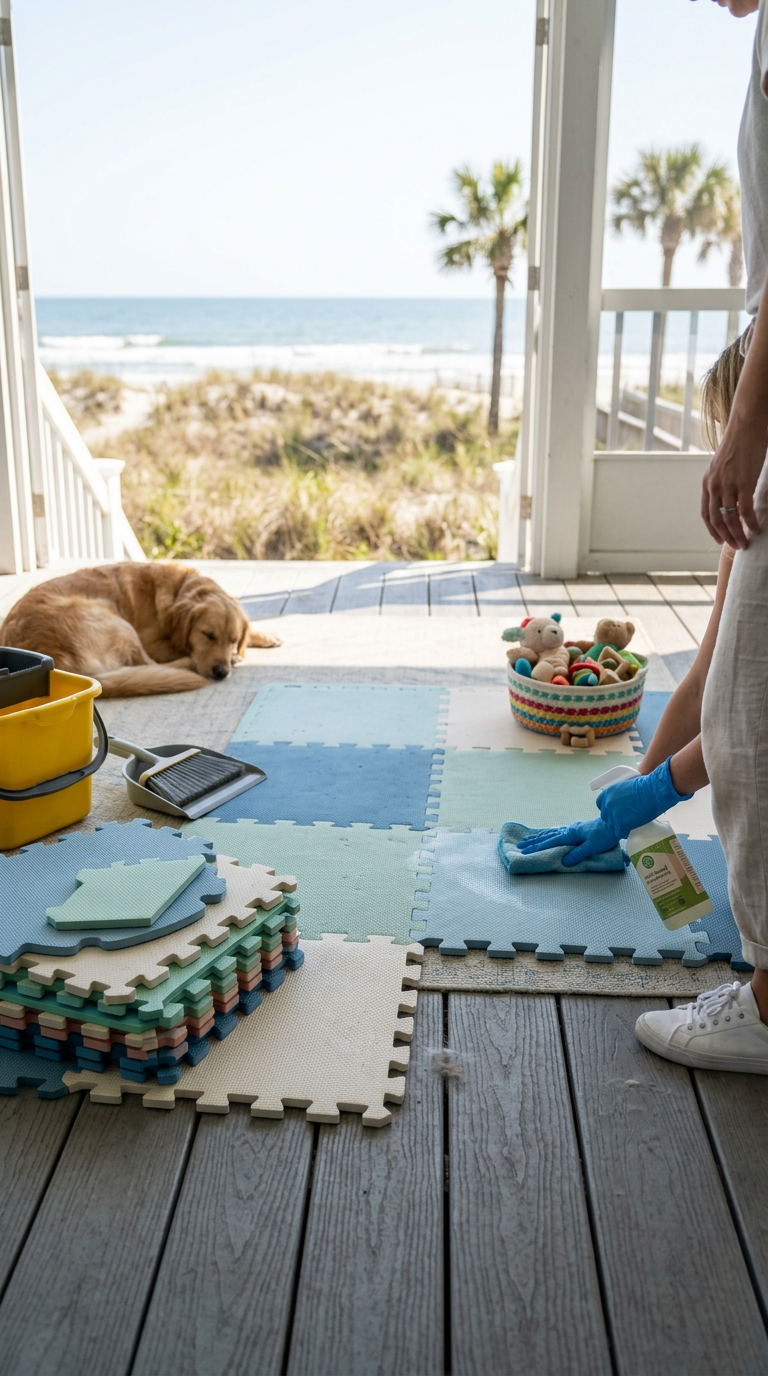
In active Grand Strand households, playrooms serve as the ultimate sanctuaries for young children, toddlers, and family pets. However, the soft-surface flooring solutions that keep these spaces safe, such as interlocking EVA foam puzzle mats and polyurethane soft-play climbing blocks, present unique sanitization challenges in our humid coastal climate. Between tracking in fine beach sand, accumulating pet dander, and harboring dried sweat-salt biofilms, these textured surfaces rapidly turn into major environmental allergen sinks. Maintaining a pristine, allergen-free play zone requires a specialized, non-toxic approach that protects both the integrity of the foam substrates and the sensitive immune systems of your children and pets.
The Physics of EVA Foam: How Humidity and Static Charge Trap Allergens
Ethylene-Vinyl Acetate (EVA) foam is the industry standard for protective children's flooring due to its impact-absorbing properties and soft texture. However, the microscopic structure of EVA foam is inherently porous and prone to building static electricity. In the Grand Strand's high-humidity environment, this static charge acts as a powerful magnet for airborne pet dander, microscopic dust mites, and fine, wind-blown beach sand. Instead of sitting loosely on the surface, these particulates bond tightly to the textured tread patterns designed to prevent slips.
Furthermore, our coastal humidity levels regularly exceed sixty percent indoors, creating a micro-layer of moisture on the foam surfaces. When children run, crawl, and play, their sweat, natural skin oils, and sunscreen residues emulsify with the static-trapped sand and pet dander. This creates a sticky, resilient film known as a sweat-salt biofilm. This biofilm acts as an adhesive, locking down allergen particulates and resisting standard vacuuming or dry-mopping efforts.
Over time, if this biofilm is not systematically dissolved and extracted, it becomes a food source for environmental bacteria and yeast. Pets that share these play spaces contribute sebum, saliva, and outdoor fungal spores, which easily embed into the textured patterns of the puzzle mats. To restore indoor air quality and eliminate deep-seated odors, homeowners must look beyond superficial dusting and implement a targeted decontamination protocol that breaks the electrostatic and organic bonds.
Child and Pet-Safe Chemistry: Selecting Non-Toxic Botanical Disinfectants
When cleaning surfaces that babies crawl on and pets lick, the choice of cleaning chemistry is paramount. Traditional household cleaners often rely on harsh chemicals such as chlorine bleach, synthetic phenols, or quaternary ammonium compounds (quats). These chemicals leave behind persistent, toxic residues that can be absorbed through the skin, inhaled at floor level, or accidentally ingested, potentially triggering asthma attacks, skin rashes, and endocrine disruption.
Instead, Grand Strand families should utilize EPA-approved botanical disinfectants that leverage the natural pathogen-fighting power of active ingredients like thymol (derived from thyme oil), citric acid, or stabilized hydrogen peroxide. These substances break down rapidly into harmless water and oxygen or natural organic compounds, leaving zero hazardous chemical footprints on the play mats.
When selecting commercial botanical cleaners, look for products that are certified by the EPA's Safer Choice program or are rated Category IV (the lowest level of toxicity) by the EPA. These solutions are highly effective against common household pathogens, including mold spores, influenza, and bacteria, while remaining entirely safe for toddlers who put toys and fingers directly into their mouths.
Step-by-Step Dry Extraction: Neutralizing the Electrostatic Bond
Attempting to wet-wipe a play mat covered in loose pet hair and sand will only result in a muddy slurry that settles deeper into the foam's texture. The first step of any successful decontamination process is a thorough dry extraction. To break the static cling holding pet hair and dander to the EVA foam, start by using a rubber-bristled broom or a handheld rubber squeegee across the dry mat surface.
The friction of the rubber pulling against the foam generates a counter-charge that releases the static grip, pulling pet hair, human hair, and large lint balls into easily manageable piles. Work in a single direction, pulling the debris from the outer edges of the play zone toward the center. This step is particularly crucial for long-haired pet owners who battle constant shedding during our warm Grand Strand summers.
Once the bulk hair is corralled, use a high-efficiency particulate air (HEPA) filter vacuum equipped with a specialized hard-floor or upholstery tool. Avoid using a heavy, rotating beater bar or motorized brush roll directly on the EVA foam, as the aggressive nylon bristles can tear, scuff, or permanently warp the delicate foam tiles. The suction-only vacuuming process ensures that microscopic dander and fine sand are removed without damaging the play surface.
- Sweep the foam tiles with a natural rubber squeegee to bundle static-bound dog and cat hair.
- Use a HEPA-filtration vacuum with a soft brush attachment to draw fine beach sand out of the foam textures.
- Vacuum along the interlocking puzzle seams, where sand and hair tend to settle and wedge deep.
- Ensure the vacuum's exhaust is directed away from the clean area to prevent re-depositing airborne allergens.
Wet Decontamination and Seam-Deep Sanitizing Protocol
With the dry particulates removed, you can safely proceed to dissolving the sticky sweat-salt biofilms and pet oils. Prepare a washing solution using warm water and a small amount of botanical, pH-neutral liquid dish soap or a specialized baby-safe detergent. Avoid using highly alkaline cleaners, vinegar-heavy solutions, or essential oils in high concentrations, as these can dry out the EVA foam, causing it to become brittle, crack, and lose its cushioning properties.
Dampen a high-density microfiber flat mop or hand cloth in the solution, wringing it out thoroughly until it is barely damp. Mop the surface of the puzzle mats using gentle, circular motions to agitate the textured grooves. Microfiber is essential here because its split fibers are small enough to reach into the microscopic crevices of the textured foam to grab and trap greasy oils and dried organic matter.
For deep-cleaning the interlocking seams where bacteria thrive, dip a soft-bristled toothbrush or nylon detailing brush into your botanical sanitizer. Gently scrub the interlocking 'teeth' of the tiles to dislodge embedded grime. Once the entire surface has been wiped, perform a final rinse pass with a clean microfiber cloth dampened with plain water to remove any soapy residue, then dry the surface with a clean towel.
Sanitizing Polyurethane Soft-Play Climbers and Vinyl Foam Blocks
Soft-play climbing blocks, foam wedges, and ball pits wrapped in polyurethane (PU) or vegan leather are beloved by toddlers but are highly susceptible to drool, sweat, spit-up, and sticky snack finger residue. Because these outer covers are water-resistant, they are relatively easy to clean, but they must be treated with care to avoid drying out and cracking the synthetic shell.
To sanitize these items, spray a light mist of a citric-acid or hydrogen-peroxide-based botanical sanitizer directly onto the vinyl or PU surface. Allow the sanitizer to remain wet for the manufacturer-recommended dwell time (typically one to ten minutes, depending on the product) to successfully kill viruses and bacteria. Never saturate the seams of these blocks, as water can penetrate to the interior polyurethane foam, leading to internal mold growth that is impossible to extract.
After the dwell time has passed, wipe the blocks down thoroughly with a dry microfiber cloth, paying special attention to the zippered enclosures, velcro straps, and stitched seams where dust, crumbs, and dander collect. If the blocks have removable covers, wash them periodically according to the manufacturer's delicate cycle guidelines, utilizing a hypoallergenic, scent-free laundry detergent.
- Apply a gentle, misted layer of botanical sanitizer to the vinyl or PU outer skin of climbing toys.
- Observe the necessary chemical dwell time to ensure complete pathogen elimination without surface damage.
- Use a detailing brush to clean tight corners around velcro fasteners and zipper tracks.
- Buff the surfaces dry with a plush microfiber cloth to prevent slippery residues and fall hazards.
Mitigating Pet Odors and Yeast Biofilms in Surrounding Play Zone Textiles
Even if your foam mats are meticulously cleaned, pet odors can still linger in the surrounding playroom environment. Fabric elements such as canvas toy storage bins, soft floor cushions, teepee tents, and small decorative area rugs act as secondary targets for pet yeast and body oils. When dogs or cats lay near the play zone, their natural yeast transfers to these fabrics, creating that distinct 'wet dog' odor that is amplified by Grand Strand humidity.
To address these textiles, wash all machine-washable playroom fabrics on a warm cycle using a hypoallergenic detergent paired with a laundry sanitizer that relies on active oxygen rather than chlorine. For non-washable items like canvas bins, sprinkle a thin, even layer of sodium bicarbonate (baking soda) over the surfaces, let it sit for thirty minutes to absorb moisture and neutralize acidic odor molecules, and then vacuum it off using a clean upholstery tool.
Additionally, ensure that any pet-specific items in the playroom, such as pet beds or blankets, are kept at a distance from the children's foam mat zone. Establishing physical boundaries between the pet's resting spots and the kids' active play surfaces significantly reduces the rate of allergen transfer and helps maintain a hygienic barrier for crawling infants.
Establishing a Sustainable Daily and Weekly Family Maintenance Routine
Keeping a busy coastal household clean can feel like a full-time job, but breaking the playroom decontamination protocol into structured daily, weekly, and monthly tasks prevents grime from building up to unmanageable levels. On a daily basis, perform a quick sweep with a rubber broom and run a HEPA vacuum over the high-traffic zones of the play mats to catch sand-grit and pet hair before they settle.
Weekly, spray down high-touch soft-play blocks with a child-safe sanitizer and wipe them dry. Perform a damp-mopping pass on the foam mats using a botanical cleaner to dissolve the week's accumulation of sweat-salt biofilms and sticky residues. This consistent weekly step keeps the textured surfaces looking vibrant and feeling clean underfoot.
Monthly, commit to a full teardown of the puzzle-mat grid. Lift all the tiles, vacuum and sanitize the subfloor, clean the interlocking teeth of the mats, and inspect the entire area for any signs of mold, mildew, or structural wear. This proactive monthly audit guarantees that your child's play area remains a truly healthy, low-allergen space year-round, backed by the expert support of local cleaning professionals when you need a deep coastal reset.
Key takeaway
Maintaining a clean, allergy-friendly playroom in the humid Grand Strand climate requires managing both static charge and invisible moisture. By implementing this botanical, step-by-step decontamination protocol, you can protect your children and pets from allergens and harsh chemicals alike. For busy families, scheduling professional seasonal deep cleans with A2Z Cleaning & Linen Services at 843.800.2788 ensures your home remains a safe, pristine sanctuary.
Keep Reading

Coastal Living
The Coastal Screened-Porch Playroom and Pet Haven Decontamination Protocol: Mitigating Humid Pet-Hair Adhesion, Pollen Allergens, and Sand-Grit Build-Up in Grand Strand Homes
ReadCoastal Living
The Grand Strand Family Beach-Dog Entryway and Paw-Wiping Station Protocol: Mitigating Salt-Yeast Odors, Wet-Fur Dander, and Sand-Silt Tracking
ReadCoastal Living
The Coastal Family Hamper and Mudroom Laundry Loop: Mitigating Yeast, Sand-Wear, and Mildew in High-Humidity Grand Strand Homes
ReadReady for a spotless property?
Call 843.800.2788 or request a free quote from A2Z Cleaning & Linen Services.