Home Cleaning
The Residential Cleaning Technician Professionalization Blueprint: Certification Tracks, Interview Standards, and Wage Structures for Grand Strand Teams
Discover how to transition residential cleaning from gig work into a professional trade. Learn the skills, interview rubrics, and wage structures that attract top talent in Myrtle Beach.
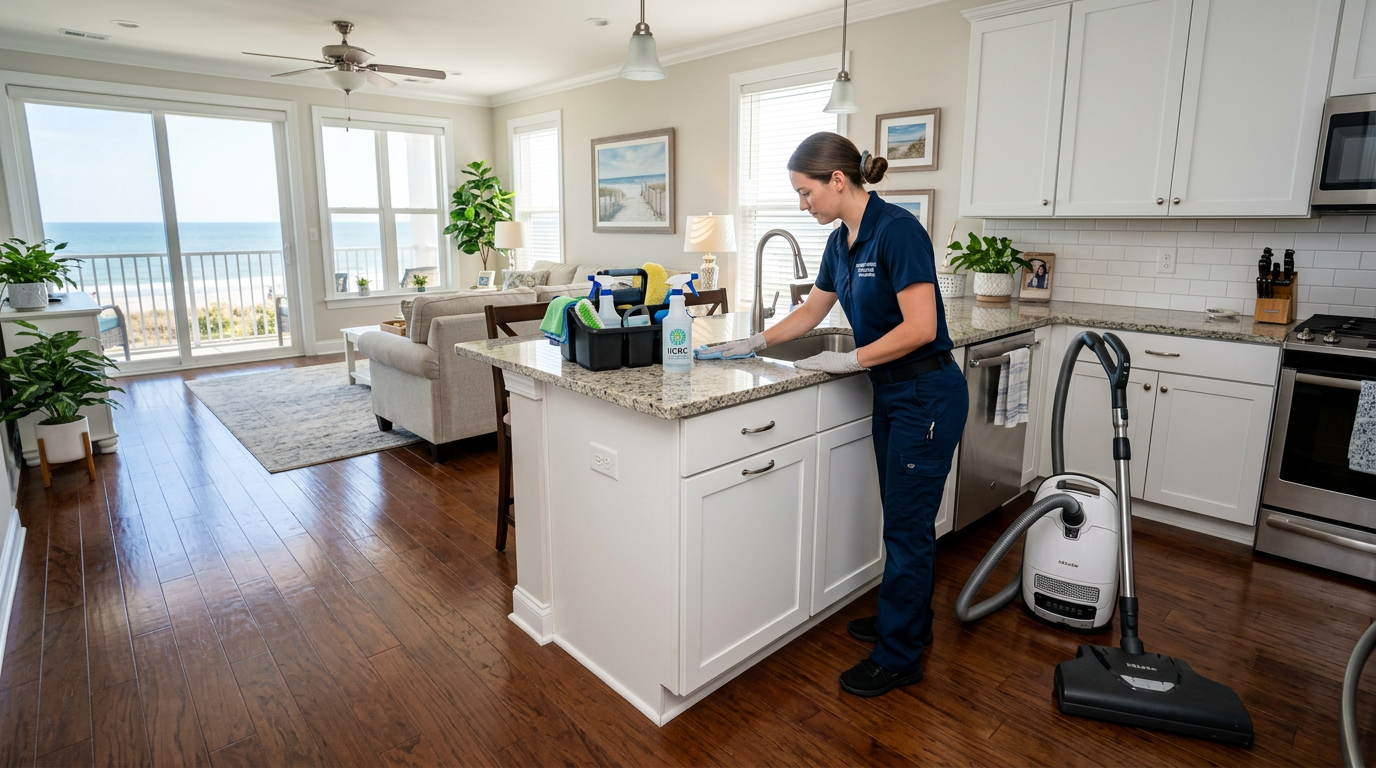
In the fast-growing Grand Strand real estate market, residential properties demand more than casual, transactional care to maintain their long-term value. Homeowners in neighborhoods from the Dunes Section of Myrtle Beach to the historic estates of Pawleys Island are increasingly seeking certified professionals who understand the science of surface preservation. Transitioning residential cleaning from an informal gig-economy job into a highly skilled, professionalized trade is essential for delivering consistent, top-tier results. At A2Z Cleaning & Linen Services, we have developed a structured blueprint designed to recruit, vet, train, and retain elite environmental technicians who elevate the standards of local home care.
Defining the Elite Residential Cleaning Technician: Core Traits and Competencies
A great professional residential cleaning technician is far more than someone who tidy up a room; they are environmental caretakers responsible for the safety and hygiene of private homes. The primary trait of an elite technician is a strong foundation in mechanical aptitude and chemical literacy. They must understand how different cleaning agents interact with sensitive household materials, such as natural quartzite countertops, unsealed heart pine flooring, and marine-grade brass fixtures. Lacking this knowledge can lead to irreversible etch marks, surface degradation, and costly property damage.
Beyond technical knowledge, exceptional residential technicians must possess high levels of situational awareness and emotional intelligence. Because they work inside personal, high-value spaces, they must respect client boundaries, maintain absolute confidentiality, and demonstrate meticulous attention to detail. This includes recognizing and reporting subtle home maintenance issues, such as slow-draining pipes, worn window seals, or early signs of pest intrusion, which often go unnoticed by busy homeowners.
Finally, physical stamina and structured time management are critical to success in this role. Moving through large multi-story oceanfront properties requires physical endurance, proper lifting techniques, and ergonomic discipline. A professional technician approaches every home with a systematic, zone-based methodology rather than a chaotic room-by-room sweep, ensuring that no micro-zone or hidden surface is overlooked during their shift.
The Behavioral Interview Blueprint: Vetting for Trust and Technical Adaptability
Traditional, open-ended interview questions often fail to reveal a candidate's true performance under pressure or their alignment with professional standards. To build a reliable team, recruiters must use targeted behavioral interview rubrics that explore past scenarios, problem-solving skills, and ethical decision-making. Asking candidates to describe a time they discovered property damage in a home, or how they managed a client request that fell outside their standard scope of work, provides deep insight into their communication style and professional integrity.
Vetting for trust is paramount in residential cleaning, as technicians routinely work unsupervised around valuable personal belongings. Interviewers should present situational scenarios designed to evaluate a candidate’s respect for privacy and adherence to security protocols. A high-quality response should demonstrate a clear understanding of home security systems, key control policies, and the absolute necessity of keeping a property locked and secured at all times during the service.
We also recommend evaluating a candidate's technical adaptability by asking them to explain the difference between cleaning, sanitizing, and disinfecting. Their answer will quickly reveal whether they view the job as simple aesthetic maintenance or as a scientific, health-focused service. This technical distinction is crucial for identifying candidates who are ready to undergo advanced training and assume leadership roles within the organization.
- Can you describe a situation where you encountered a surface material you were unfamiliar with, and how did you determine the correct cleaning method?
- How do you prioritize your tasks when a high-end deep clean takes longer than originally scheduled due to unexpected heavy soil?
- Tell me about a time you had to deliver difficult feedback to a supervisor regarding a safety concern or chemical hazard in the field.
- What specific steps do you take to ensure a property is completely secure when you are the last person to leave?
- How do you handle constructive criticism from a quality assurance inspector who identifies missed details in your assigned zone?
Practical Audits and Skill Evaluation: Assessing Hands-On Performance
No resume or interview can fully substitute for a hands-on demonstration of skill and safety. To ensure technical competence, a rigorous vetting process must include a practical, paid skill audit conducted in a controlled testing environment. This audit should evaluate a candidate's basic techniques, chemical safety practices, and ergonomic habits. Instructing a candidate to clean a mock bathroom and kitchen area allows supervisors to observe their physical form, tool selection, and sequence of operations in real time.
During the audit, evaluators should closely watch how the candidate handles chemical products. A professional technician will immediately look for Safety Data Sheets (SDS), verify dilution ratios, and select the appropriate microfiber cloth color to prevent cross-contamination. Watching their physical safety habits, such as wearing protective eyewear and gloves, and observing their body mechanics while vacuuming or scrubbing, will show whether they are prepared for a long, injury-free career.
Additionally, the audit should test a candidate’s attention to detail by pre-dusting hidden ledges or placing small, non-valuable test markers in hard-to-reach areas. An elite technician will naturally look up to check ceiling fan blades and bend down to inspect baseboards, showing a thorough, top-to-bottom cleaning pattern. These practical audits help separate experienced professionals from candidates who may only be familiar with basic domestic cleaning.
Professionalization Paths: Industry Certifications and Technical Training
To elevate residential cleaning to a respected trade, businesses must invest in structured, ongoing training and recognized industry certifications. Programs offered by the ISSA Cleaning Management Institute (CMI) provide comprehensive education on chemical safety, pH scales, and surface-specific maintenance. Supporting team members as they earn these credentials builds deep technical pride and ensures your workforce stays current on modern sanitation standards.
In our coastal environment, specialized training in mold and mildew identification is absolutely essential. Technicians must be trained to recognize the early signs of moisture intrusion, condensation buildup, and active spore colonization. This specialized skill set is crucial for protecting the indoor air quality of Myrtle Beach homes during our hot, humid summer months.
Furthermore, OSHA 10-Hour General Industry training should be standard for all senior technicians and field supervisors. This training covers essential safety topics, including slip, trip, and fall prevention, bloodborne pathogen handling, and hazardous communication standards. By framing these certifications as milestones for career advancement, businesses can create a clear, professional path that appeals to career-oriented professionals.
Compensation Architecture: Wages, Benefits, and Incentive Models
Attracting and retaining high-caliber residential technicians requires a competitive compensation package that reflects the skilled nature of their work. In the Grand Strand region, moving away from unstable piece-rate models toward reliable, performance-based hourly wages is a proven way to build team loyalty. A stable hourly wage ensures that technicians prioritize thoroughness and property safety over speed, which reduces costly mistakes and property damage.
Competitive hourly rates should be paired with a clear, tiered pay scale based on experience, certifications, and quality audit scores. For example, earning an ISSA certification or maintaining high client satisfaction ratings should lead directly to pre-defined pay increases. This transparent progression model gives team members a clear path to growing their income within the company.
In addition to base wages, offering meaningful benefits is crucial for year-round retention. Providing paid time off (PTO), health and wellness stipends, mileage reimbursement, and tool allowances shows a deep commitment to employee well-being. These benefits help transition the role from a temporary job into a stable, long-term career.
- Wages should start above the local market average, with clear pathways to earn more through technical certifications and positive performance reviews.
- Offering comprehensive mileage reimbursement policies protects field employees from the financial strain of traveling between properties.
- Providing paid time off (PTO) and paid holidays helps reduce burnout and supports a healthy work-life balance.
- Implementing monthly quality bonuses based on random, objective field inspections rewards consistent excellence.
- Providing year-round work guarantees helps shield employees from the typical post-season winter income drop common in tourist areas.
Ergonomics and Seasonal Burnout Mitigation
The physical demands of professional residential cleaning are intense, particularly during the hot South Carolina summers. To protect technicians from repetitive strain injuries and heat-related illness, businesses must prioritize ergonomic training and heat-stress prevention. Team members should be trained in proper lifting techniques, neutral spine alignment while vacuuming, and the correct use of telescoping tools to avoid unnecessary reaching and bending.
Equipping teams with lightweight, ergonomic backpack vacuums dramatically reduces strain on the wrists, shoulders, and lower back compared to traditional upright models. Regular equipment audits are also important to ensure all tools, telescoping poles, and safety gear are in perfect working order, minimizing the physical effort required to complete daily tasks.
During the peak summer season, managing heat-related fatigue is a top priority. Schedules must be designed to include mandatory hydration breaks, and technicians should have easy access to electrolyte replacements and cooling vests when working in homes without active air conditioning. Proactively managing workloads and ensuring fair rotation of physically demanding properties is key to keeping team morale high during the busiest times of the year.
Building a Culture of Reliability: Communication and Support Systems
A reliable, high-performing field team is built on a foundation of open communication, mutual respect, and strong operational support. Implementing user-friendly mobile scheduling and communication platforms allows technicians to access detailed property profiles, specific client instructions, and real-time updates instantly. This technology reduces stress, eliminates guesswork, and empowers team members to work efficiently and independently.
Developing a supportive peer-mentoring program is another highly effective way to build team unity and improve retention. Pairing newly hired technicians with experienced mentors during their first month provides valuable real-world guidance, builds confidence, and reinforces the company's high standards. This collaborative approach helps prevent the feelings of isolation that can sometimes occur in mobile field roles.
Finally, establishing a positive, constructive feedback loop between field technicians and office management is essential. Technicians should feel comfortable reporting safety issues, tool failures, or unrealistic schedules without fear of negative consequences. When management listens to and acts on field feedback, it builds a deep level of trust that keeps the entire team aligned and committed to excellence.
Key takeaway
By treating residential cleaning as a skilled, professional trade, cleaning companies can attract and retain the very best talent along the Grand Strand. Investing in structured training, fair compensation, and a supportive team culture ensures your staff is equipped to deliver the high-end results our local homeowners expect. Phone: 843.800.2788.
Keep Reading
Home Cleaning
The Luxury Coastal Estate Cleaning Specialist: Advanced Surface Certifications, Behavioral Interview Protocols, and Premium Compensation Architectures for Grand Strand Estates
ReadCommercial & Hospitality
The Hospitality Environmental Services Skill-Validation Rubric: Practical Field-Testing, Behavioral Vetting, and Local Wage Benchmarks
ReadCommercial & Hospitality
The Coastal Environmental Specialist Career Track: Transforming Seasonal Labor Into Certified, Year-Round Grand Strand Field Technicians
ReadReady for a spotless property?
Call 843.800.2788 or request a free quote from A2Z Cleaning & Linen Services.