Home Cleaning
The True Cost of Move-Out Cleaning: DIY vs. Professional Standards in Grand Strand Real Estate
Learn the costs, safety protocols, and key differences between DIY and professional move-out cleaning to secure your security deposit or close your Myrtle Beach home sale on time.
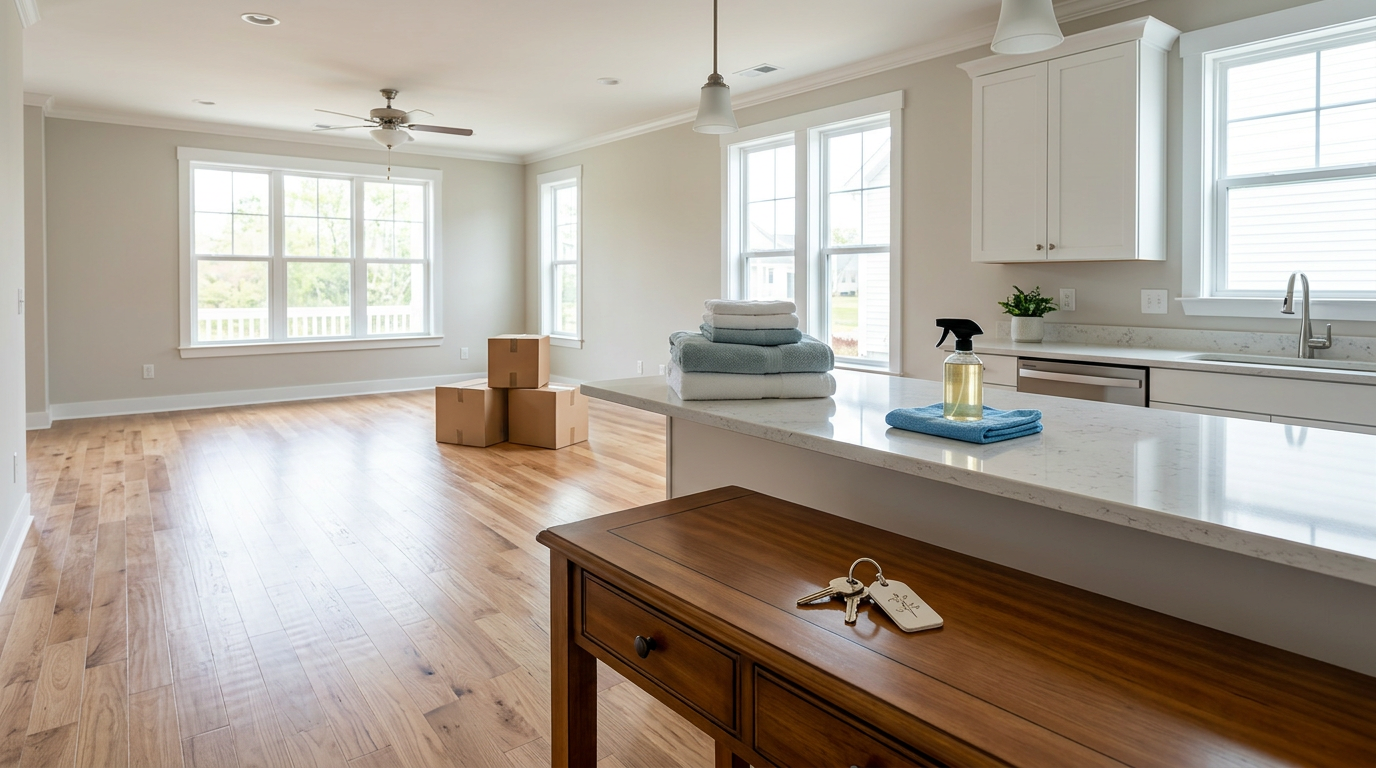
Transitioning out of a home or rental property along the Grand Strand is a major milestone, but it comes with rigorous cleaning expectations. Between high relative humidity, persistent coastal sand, and salt-air residue, preparing a vacant property for its next occupant requires far more than a standard sweep. This guide breaks down the true financial and physical costs of DIY versus professional move-out cleaning, helps you navigate chemical product safety, and outlines exactly what to ask a potential cleaning partner to ensure a seamless real estate transition.
The Coastal Move-Out Challenge: Why Standard Cleaning Falls Short
Move-out cleaning in Horry and Georgetown counties involves unique environmental challenges that aren't found in inland communities. Fine quartz sand from our Grand Strand beaches constantly migrates indoors, embedding itself deeply into carpet fibers, sliding door tracks, and window casings. Over time, high relative humidity binds this grit to surfaces, making simple sweeping or domestic vacuuming completely insufficient to meet real estate handover standards.
Additionally, salt-laden sea air leaves a sticky, micro-thin residue on walls, light fixtures, and glass surfaces. This film acts as a magnet for airborne dust, pet dander, and kitchen grease, creating a stubborn grime layer that standard household cleaners can rarely dissolve without leaving unsightly streaks. Failing to address these coastal-specific residues can quickly derail a buyer's final walk-through or lead to costly disputes during a rental inspection.
Finally, the closed-up environment of a vacant home waiting for its new owners can accelerate musty odors and mildew growth, particularly during hot coastal summers. A professional move-out clean must go beyond visible dirt, addressing the microscopic and moisture-related factors that threaten the indoor air quality of a sealed property. Achieving this standard requires specialized knowledge of coastal home physics and surface preservation.
The Hard Math: Estimating DIY vs. Professional Costs
Many homeowners and tenants assume that cleaning a vacant home themselves is a cost-effective choice. However, a thorough DIY move-out clean for an average three-bedroom home typically requires twelve to eighteen hours of intensive physical labor. When you factor in the cost of your time, lost productivity, and the rental of specialized equipment like commercial carpet extractors, the perceived savings begin to shrink rapidly.
Purchasing the correct assortment of professional-grade, surface-safe cleaning agents, microfiber cloths, heavy-duty scrubbers, and safety gear can easily cost between $100 and $150. If you have to take time off work or spend your final weekend in the Myrtle Beach area scrubbing baseboards instead of packing, the opportunity cost easily outpaces the fee of hiring a dedicated professional service.
Professional move-out cleaning rates in our region are typically calculated based on square footage, overall condition, and specific service add-ons. By choosing a professional team, you receive a predictable flat-rate quote that covers all labor, industrial-grade equipment, and specialized formulations. This shifts the physical burden and liability away from you, freeing you to focus on the logistics of your physical move.
Product Safety and Chemical Hazards in Vacant Properties
A common mistake during DIY move-out cleanings is the misuse of aggressive household chemicals. In an effort to tackle tough soap scum, hard water deposits, or kitchen grease quickly, well-meaning individuals often mix products containing bleach with ammonia-based cleaners, creating toxic chloramine gas. In empty, poorly ventilated homes where the HVAC system might be turned off or set to energy-saving mode, these fumes can quickly reach hazardous levels.
Furthermore, using the wrong chemical pH on delicate coastal finishes can cause permanent, expensive damage. Acidic cleaners can etch natural travertine, quartz, or marble countertops common in modern Grand Strand properties, while harsh alkaline solutions can strip the protective finish off hardwood floors. Professional cleaners are trained in surface chemistry, ensuring they use pH-neutral, eco-friendly formulas that clean effectively without damaging the home's permanent assets.
Safe chemical management also extends to pet and family safety during transition periods. Vacant homes should be cleaned with non-toxic, biodegradable products that do not leave behind volatile organic compounds (VOCs) or chemical residues. This ensures that when the new residents—and their pets—arrive, they are stepping into a healthy, clean-smelling environment that is entirely safe to inhabit from day one.
The Anatomy of a Professional Move-Out Clean: What Is Included?
A professional move-out cleaning is structurally different from a routine weekly or bi-weekly housekeeping visit. It targets areas that are rarely touched during standard maintenance, starting from the ceiling down to the floors. Every light fixture, ceiling fan blade, air vent cover, and outlet plate is systematically dusted and damp-wiped to remove accumulated coastal grime and lint.
In the kitchen, a true move-out clean goes deep inside appliances. This includes pulling out the refrigerator and oven to clean the dust-choked coils, sides, and floor underneath—areas notorious for trapping dropped food and attracting pests. Cabinets and drawers are vacuumed to remove crumbs and wiped clean inside and out, ensuring no sticky residue remains on shelves or hinges.
Bathrooms receive rigorous sanitization that targets hard water scale from Grand Strand municipal water systems. Glass shower doors are treated to remove mineral etching, tile grout is scrubbed, and the areas behind toilets are meticulously sanitized. Sliding glass door tracks—which are almost always filled with sand, pet hair, and debris—are vacuumed and scrubbed to restore smooth operation.
Vetting Local Agencies: Five Crucial Questions to Ask
Not all cleaning services are equipped to handle the rigorous demands of a real estate transition clean. Before hiring a company in the Grand Strand, it is critical to verify their operational credentials. You must ask if they carry comprehensive general liability insurance and worker's compensation, which protects you from liability if an injury or property damage occurs during the service.
Another essential inquiry is how the company hires, screens, and trains its field staff. A reputable local service will employ W-2 staff who undergo thorough background checks, rather than relying on unvetted independent contractors. This ensures consistent quality, reliability, and accountability when cleaners are working in your home or managed property.
Finally, clarify their satisfaction guarantee and payment policy. Ask: "What happens if my landlord or buyer's inspector finds an issue with the cleaning?" A professional company should stand behind their work, offering a clear window—typically 24 to 48 hours—to return and touch up any missed areas at no additional cost to you, ensuring you do not lose your deposit or delay closing.
Mitigating Real Estate Closing and Security Deposit Risks
In both residential leases and home sales contracts in South Carolina, the cleanliness of the property upon handover is often a legally binding condition. For renters, an inadequate DIY clean is the single most common reason landlords withhold a portion of the security deposit, charging high fees for touch-up cleaning. Investing in a professional cleaning receipt is often the simplest way to secure your full refund.
For home sellers, a poorly cleaned property can delay a closing or lead to unpleasant disputes during the final walk-through. If a buyer discovers dirty appliances, dusty vents, or sandy tracks, they may demand a monetary credit or delay signing papers until the home is cleaned to their satisfaction. This can disrupt moving truck schedules and introduce unnecessary stress to an already complex transaction.
Utilizing a professional service provides a clear paper trail that demonstrates your commitment to maintaining the home in excellent condition. Presenting a professional invoice to the buyer’s agent or property manager serves as proof of a high hospitality standard, minimizing friction and facilitating a seamless transition of ownership for all parties involved.
The Post-Clean Inspection Checklist: What to Verify Before Handover
Whether you choose to tackle the project yourself or hire a professional team, a systematic final walkthrough is essential. Begin by inspecting the tracks of all sliding doors and windows; they should be free of black sand residue and move effortlessly. Look closely at the baseboards in high-traffic areas like hallways and entryways to ensure all scuff marks and dust have been removed.
Open all major appliances and check the interiors. The oven should have no lingering grease or baked-on carbon deposits, and the refrigerator should be completely dry with no mold-promoting condensation left inside. Run your hand along the tops of ceiling fan blades and kitchen cabinet doors to check for any greasy dust film that might have been missed.
Finally, inspect the floors under natural light. Ensure there are no streaks on hardwood or tile, and that carpets have been thoroughly vacuumed all the way to the baseboards. Taking twenty minutes to complete this thorough review ensures that the home is truly ready for its next chapter, leaving a lasting positive impression on the incoming residents.
- Clean sliding door tracks: Free of sand, hair, and debris for smooth sliding.
- Interior appliance surfaces: Degreased, dry, and odor-free.
- Light fixtures and ceiling fans: Fully wiped, including the tops of blades.
- Inside cabinets and drawers: Vacuumed and wiped down completely.
- Air vents and return grills: Free of dust and lint buildup.
Key takeaway
Preparing a Grand Strand property for its next occupant requires addressing coastal-specific challenges like salt-air residue and fine sand. By understanding the true costs of DIY versus professional services, prioritizing product safety, and asking the right vetting questions, you can protect your investment and ensure a stress-free transition. For professional move-out cleaning tailored to Myrtle Beach real estate standards, contact A2Z Cleaning & Linen Services at 843.800.2788.
Keep Reading
Home Cleaning
The Coastal Low-Level Window and Glass Viewing Zone Decontamination Protocol: Mitigating Toddler Handprints, Dog-Nose Sebum Slurry, and Humid Pollen-Sand Adhesion in Grand Strand Family Homes
ReadHome Cleaning
The Coastal Pet-Crate and Indoor Dog-Bed Restoration Protocol: Mitigating Humid Yeast Biofilms, Dander Reservoirs, and Urine-Ammonia Interactions in Grand Strand Homes
ReadHome Cleaning
The Luxury Coastal Estate Cleaning Specialist: Advanced Surface Certifications, Behavioral Interview Protocols, and Premium Compensation Architectures for Grand Strand Estates
ReadReady for a spotless property?
Call 843.800.2788 or request a free quote from A2Z Cleaning & Linen Services.