Coastal Living
Coastal Family Chaos: Managing Sand, Pet Dander, and Humidity-Driven Odors in Grand Strand Homes
Discover safe, child-friendly, and pet-friendly strategies to manage coastal sand, dander, and high humidity in your Myrtle Beach home without harsh chemicals.
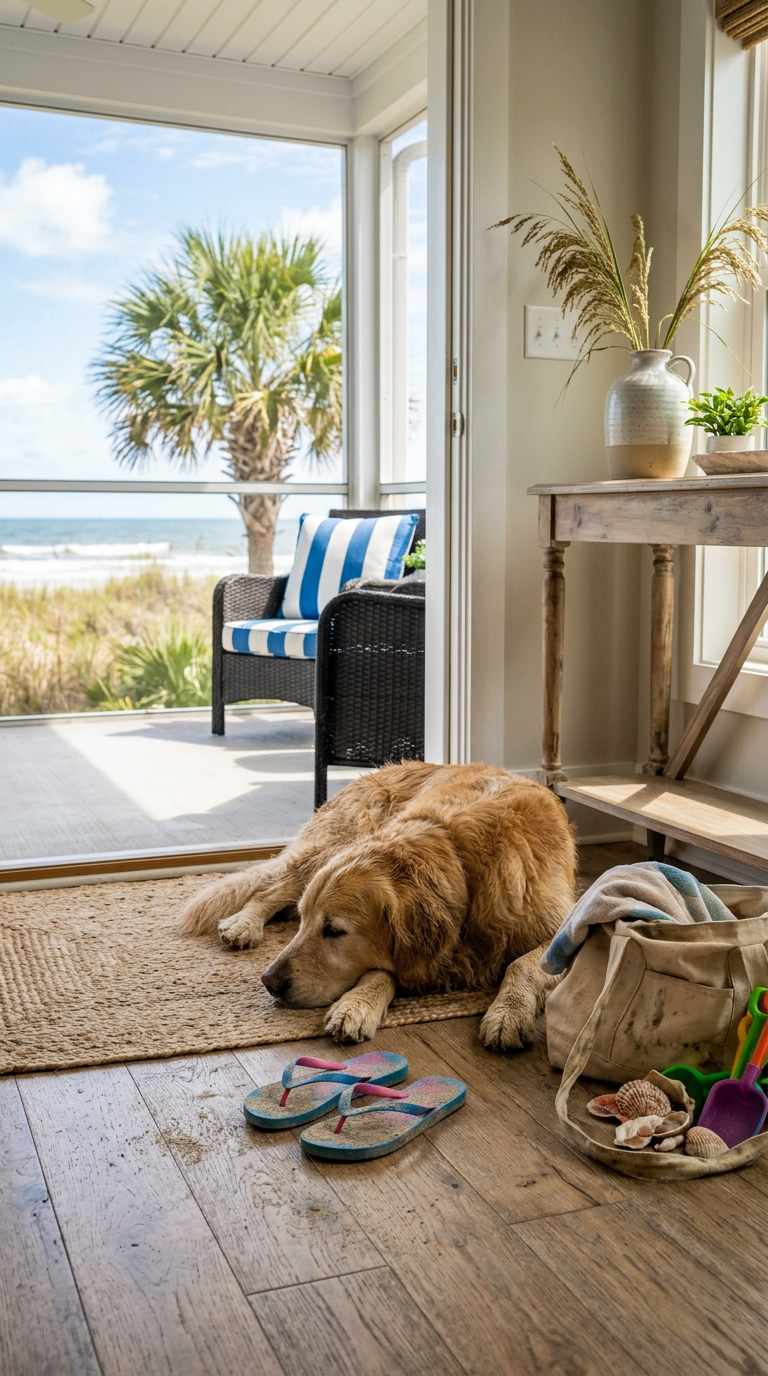
Living on the Grand Strand with kids and pets is an incredibly rewarding lifestyle, filled with beach days, backyard play, and outdoor adventures. However, our unique coastal environment—defined by high humidity, fine ocean sand, and year-round pollen—presents distinct cleaning challenges for active families. Traditional cleaning methods often rely on harsh chemicals that can irritate sensitive young lungs and pet paws, while ignoring the root causes of coastal odors and allergens. This guide offers practical, safe, and highly effective strategies to manage the daily influx of sand, pet hair, and moisture, ensuring your Myrtle Beach home remains a healthy sanctuary.
The Coastal Mud Trap: Stopping Sand and Wet Paws at the Threshold
The first line of defense in any coastal household is the entryway, where sand and damp soil from pet paws and children's shoes threaten to invade. In the Grand Strand, our fine quartz sand acts like sandpaper on flooring, grinding down finishes and trapping microscopic allergens. To combat this, establish a dual-zone mat system at every entry point. Use a heavy-duty, coir or textured rubber mat outside to scrape shoes, paired with a highly absorbent, washable microfiber rug inside to catch residual moisture and fine dust.
For pet owners, keeping a paw station by the door is an absolute necessity. Keep a shallow container of clean water, a soft microfiber towel, and a spray bottle containing a gentle, diluted vegetable-based soap handy. Rinsing paws immediately after beach walks or outdoor play prevents abrasive salt and damp mud from tracking onto your rugs and upholstery, where organic material quickly feeds dust mites. It also protects your pet's paw pads from salt irritation and lawn fertilizers.
Children should be encouraged to adopt a strict no-shoes-indoors policy, which can be made fun with a colorful shoe cubby or basket near the door. Teach children to place their sandy flip-flops and water shoes directly into a mesh hamper or wash bin outside on the porch before stepping inside. By isolating these outdoor contaminants at the physical boundary of your home, you dramatically reduce the volume of allergens and grit that settle into your indoor living spaces.
High-Humidity Pet Odors: Why Coastal Air Multiplies Dog and Cat Smells
Grand Strand residents are familiar with our heavy summer air, but few realize how humidity exacerbates household odors. High moisture levels in the air actually bond with volatile organic compounds released by pet dander, saliva, and minor accidents, making smells seem much stronger and harder to escape. Standard air fresheners only mask these odors with synthetic perfumes, which can trigger asthma in children and respiratory issues in sensitive pets. To solve the problem, you must address the moisture and neutralize the organic proteins.
Dehumidifiers are invaluable tools for odor control in coastal homes. By keeping your indoor relative humidity below 50 percent, you slow down the release of odor molecules and inhibit the growth of odor-causing bacteria. For spot treatments on carpets or pet beds, rely on simple, food-grade baking soda rather than chemical deodorizers. Sprinkle baking soda liberally over the affected dry fabric, let it sit for at least thirty minutes to absorb both moisture and acids, and vacuum thoroughly.
For stubborn pet odors, enzyme-based cleaners are the safest and most effective choice for families. These products contain natural proteins that literally digest the organic matter causing the smell, whether it is dried saliva on a dog toy or an accident on the rug. Look for fragrance-free, vegetable-derived enzymatic formulas that do not contain harsh phenols or synthetic solvents. These formulas are completely safe for crawling babies and pets to interact with once the treated area has completely dried.
The Allergy-Free Carpet and Upholstery Strategy for Grand Strand Families
Carpets and upholstered furniture act like giant filters in your home, trapping airborne dust, pollen, pet dander, and fine beach sand deep within their fibers. In a humid coastal environment, these trapped materials can quickly become breeding grounds for dust mites. Standard vacuums often lack the filtration necessary to keep these microscopic particles from being blown back out into your breathing zone. For a family struggling with allergies, investing in a high-quality vacuum cleaner equipped with a certified HEPA filter is a necessity.
To effectively manage pet hair and dander, establish a structured vacuuming routine. High-traffic carpeted areas should be vacuumed at least three times a week, using slow, deliberate, overlapping passes to pull stubborn sand out from the base of the carpet fibers. Don't forget to use the upholstery attachment on sofas and chairs weekly, paying special attention to the seams and under cushions where pet hair and crumbs naturally accumulate. This simple habit keeps allergen loads consistently low.
For households with heavily carpeted areas, scheduling a professional hot water extraction cleaning once or twice a year is highly recommended. This process, often referred to as steam cleaning, uses high heat to kill dust mites and emulsify deep-seated oils from pet coats without requiring heavy chemical detergents. Ensure your cleaning provider uses a high-powered truck-mounted system to extract as much moisture as possible, allowing the carpets to dry quickly in our humid climate and preventing any potential mildew growth.
Hardwood, LVP, and Tile: Safe Floor Care for Crawling Toddlers and Paws
Luxury Vinyl Plank, tile, and hardwood are highly popular in Myrtle Beach homes due to their durability against sand and moisture. However, these hard surfaces require careful maintenance when you have toddlers crawling on them and pets licking dropped food off the floor. Traditional floor cleaners often leave behind a sticky, surfactant-heavy residue that dulls the floor's appearance and acts as a magnet for fine sand and dirt. More importantly, this chemical film can easily transfer to your baby's skin and your pet's paws.
For safe, residue-free floor cleaning, microfiber flat mops are vastly superior to traditional loop mops and bucket systems. Microfiber uses millions of tiny fibers to mechanically grab dirt and bacteria, requiring far less water and cleaning solution to achieve a spotless finish. To clean your vinyl or tile floors safely, damp-mop using a simple solution of warm water mixed with a few drops of pH-neutral, plant-based dish soap or castile soap, ensuring you do not overwet the surface.
If you have hardwood floors, avoid using vinegar or harsh acidic cleaners, as these can slowly eat away at the protective polyurethane finish over time. Instead, use a specialized hardwood cleaner formulated with gentle, plant-derived ingredients, or simply a well-wrung microfiber mop damp with plain water. Keeping your floors dry is critical; always wipe up any spills or pet water bowl splashes immediately to prevent moisture from warping wood planks or seeping under vinyl flooring.
Laundering the Dunes: Managing Sandy, Pet-Dander-Laden Linens and Play Clothes
Doing laundry for an active Grand Strand family can feel like an endless cycle, especially when dealing with sandy beach towels, sweat-soaked athletic wear, and pet-bed covers. Sand is a major hazard for washing machines, as it can clog drain pumps and wear down internal bearings over time. Always shake sandy linens outdoors vigorously before bringing them inside, or let them dry completely on a porch clothesline so the sand can be easily brushed off before the wash cycle begins.
When washing items that have been heavily exposed to pets and kids, choose hypoallergenic, fragrance-free detergents. Liquid detergents with added plant-based enzymes are excellent for breaking down biological stains like grass, mud, and organic pet oils without leaving irritating chemical residues behind. Skip liquid fabric softeners and single-use dryer sheets altogether; they coat fabrics with synthetic wax that reduces towel absorbency and can irritate sensitive skin, eczema, or pet allergies.
To soften laundry and reduce static naturally, use 100% wool dryer balls in your dryer. You can add a drop or two of pure, child-safe essential oils, like lavender or sweet orange, directly to the wool balls if you prefer a subtle, natural scent. To sanitize heavily soiled pet blankets or kids' bedding, wash them on a hot water cycle at 130 degrees Fahrenheit to kill dust mites and bacteria, followed by a thorough drying cycle.
Air Quality Solutions: Filtering Out Salt, Pollen, Dander, and Pet Hair
The indoor air quality of a Grand Strand home is constantly challenged by the combination of outdoor pollen, humid ocean air, and indoor pet dander. Our HVAC systems work incredibly hard to cool and dehumidify our homes, which means they are constantly circulating these airborne particles. If your air filters are neglected, your HVAC system can quickly become a distribution hub for dust mites and allergens, exacerbating childhood allergies and leaving a fine layer of dust on every surface.
For busy family homes with pets, standard fiberglass air filters are simply not sufficient. Upgrade to a pleated filter with a MERV rating of 11 or 12. These filters are dense enough to capture fine pet dander, mold spores, and pollen without restricting the airflow of your air conditioning unit. In homes with multiple pets, make it a habit to check and replace these filters every 30 to 45 days, rather than the standard 90-day recommendation.
In addition to your HVAC filters, placing a standalone HEPA air purifier in high-traffic family areas, such as the living room or your child's bedroom, can make a dramatic difference. These units continuously scrub the air, capturing airborne hair and dander before it has a chance to settle onto your floors and furniture. Keeping your home’s relative humidity level balanced with your air conditioning system is the ultimate key to stopping airborne allergens from multiplying in your coastal sanctuary.
A Non-Toxic Weekly Checklist for the Busy Myrtle Beach Household
Keeping a busy household clean and allergen-free doesn't require dedicating your entire weekend to scrubbing. The secret lies in breaking down tasks into small, manageable daily habits and a streamlined weekly routine. By focusing on high-impact areas for just fifteen minutes a day, you can stay ahead of the sand and pet hair before they become overwhelming. This proactive approach reduces family stress and ensures a consistently healthy living environment.
A simple daily routine should include wiping down high-use surfaces, sweeping or vacuuming the main entryways to catch tracked-in sand, and quickly brushing pets outdoors to capture loose fur before it sheds inside. On a weekly basis, dedicate time to vacuuming all carpets and upholstered furniture with your HEPA vacuum, damp-mopping hard floors with safe, non-toxic solutions, and washing bed linens in hot water. This consistent cycle prevents allergen build-up and maintains fresh, clean air throughout your home.
- Daily: Brush pets outdoors for five minutes to intercept loose undercoats before they settle on furniture.
- Daily: Use a damp microfiber cloth to wipe down high-traffic pet resting spots and child play zones.
- Weekly: Wash all pet toys, bedding, and kids’ plush toys in hot water with fragrance-free detergent.
- Weekly: Vacuum behind and under heavy furniture where sand and pet dander tend to accumulate undisturbed.
- Monthly: Pour a cup of distilled white vinegar down sink drains to deodorize and dissolve organic build-up safely.
- Monthly: Wash the interior of your household trash cans with warm, soapy water and a splash of hydrogen peroxide.
Key takeaway
Maintaining a clean, allergy-friendly Grand Strand home is entirely achievable without relying on harsh chemicals. By implementing smart entryway barriers, managing indoor humidity, and choosing safe, plant-derived cleaning agents, you protect both your family's health and your home's integrity. For specialized cleaning needs or a deep, seasonal refresh, A2Z Cleaning & Linen Services is always here to help at 843.800.2788.
Keep Reading
Coastal Living
The Cost of Restoring Coastal Grasscloth Wallcoverings: Humidity-Driven Mold, Dye Bleeding, and Vetting Myrtle Beach Specialists
ReadCoastal Living
The Coastal Sliding Screen and Pet-Door Decontamination Protocol: Mitigating Nose-Print Oils, Pollen-Dander Reservoirs, and Sand-Grime in Grand Strand Homes
ReadCoastal Living
The Carolina Room and Eze-Breeze Restoration: Costs, Vinyl Safety, and Professional Clean-Outs for Grand Strand Homeowners
ReadReady for a spotless property?
Call 843.800.2788 or request a free quote from A2Z Cleaning & Linen Services.