Home Cleaning
Low-Zone Sanitization: Protecting Crawling Toddlers and Ground-Level Pets from Coastal Residues and Harsh Chemicals
Discover how to protect the low-lying areas of your Grand Strand home where toddlers crawl and pets rest, using safe, non-toxic methods to eliminate coastal sand, dander, and chemical residues.
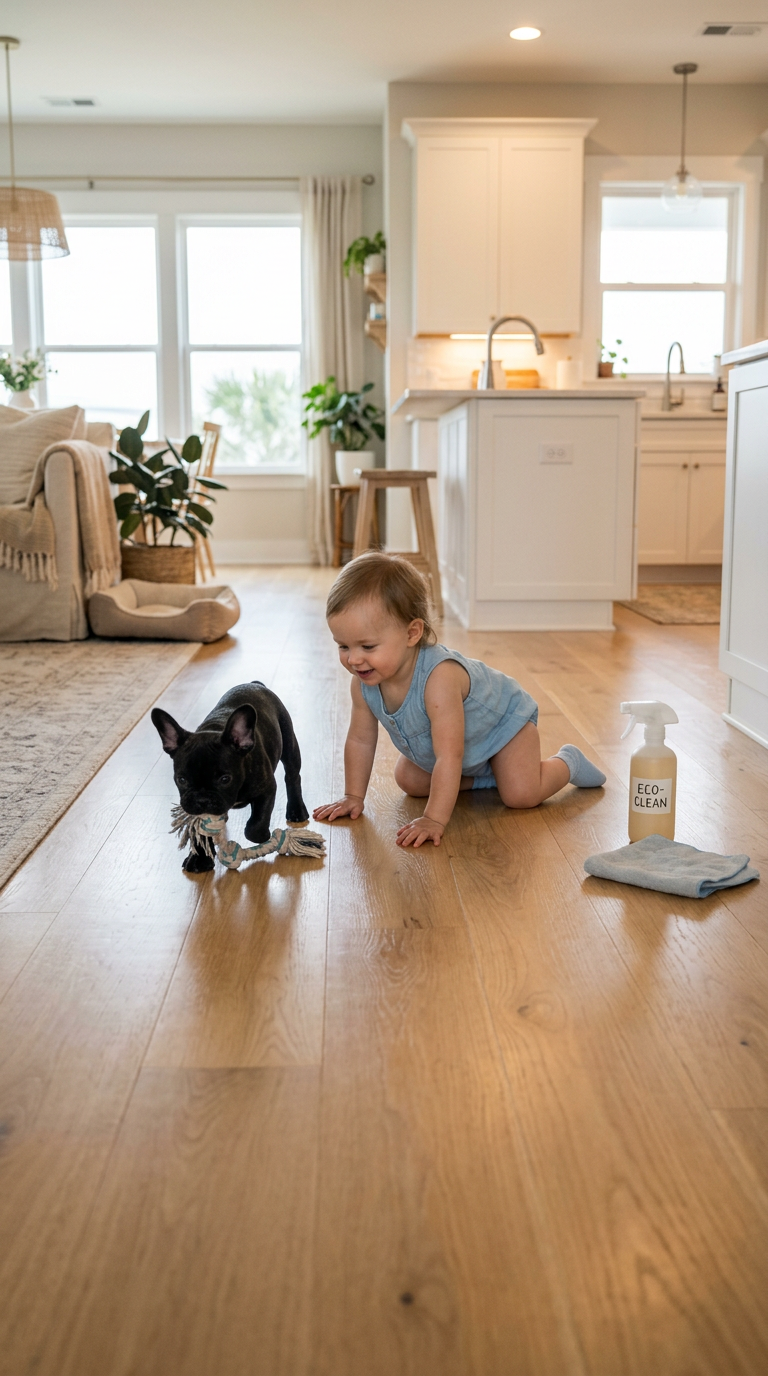
In the Grand Strand's warm, humid climate, maintaining a clean home means looking at your living space from a different perspective. Crawling toddlers, curious pets, and infants practicing tummy time spend almost all their time within eighteen inches of the floor. This 'low-zone' is where heavy sand, pet dander, moisture-laden allergens, and chemical residues naturally settle. Protecting these vulnerable family members requires specialized, non-toxic cleaning protocols designed to keep floor-level air and surfaces clean and safe.
Defining the Low-Zone: Why Floor-Level Air Quality Matters in Myrtle Beach
In our humid coastal environment, the indoor atmosphere isn't uniform from floor to ceiling. The first twelve to eighteen inches above your flooring surfaces represent a distinct micro-climate where gravity, high humidity, and cool air currents concentrate heavy particles. For crawling babies and family pets, this low-zone is their primary living space, making them highly susceptible to whatever accumulates on your floors.
Our local relative humidity often exceeds seventy percent during the summer months, which makes airborne dust and dander heavier as they absorb moisture from the air. These damp particles eventually fall out of suspension and land directly on carpet fibers, rugs, and hard flooring surfaces. Instead of circulating out through your HVAC system, these heavy allergens remain trapped right where your children crawl and your pets rest.
Furthermore, because cool air is denser, your air conditioning system naturally deposits cooled, moisture-heavy air toward the floor. This localized humidity can create a breeding ground for dust mites and mildew in the backing of area rugs and low-lying upholstery. If you only clean at eye level, you miss the concentrated accumulation of environmental irritants that are constantly inhaled by the most vulnerable members of your household.
The Hazard of Common Household Chemicals at Ground Level
When dealing with persistent coastal grime, many Myrtle Beach homeowners instinctively reach for heavy-duty disinfectants and commercial floor cleaners. However, the active chemical ingredients in many popular cleaners—such as quaternary ammonium compounds, synthetic fragrances, and chlorine bleach—do not simply disappear after application. They dry into a microscopic film on your floor surfaces, which can easily transfer to a toddler's damp hands or a dog's sensitive paw pads.
Once transferred, these chemical residues present both dermal and ingestion risks. Toddlers frequently put their hands in their mouths, meaning whatever is on your floor quickly ends up in their digestive systems. Similarly, dogs and cats groom themselves by licking their paws, directly ingesting toxic chemical residues left behind by traditional floor cleaners. These chemical residues can lead to skin irritation, localized allergic reactions, and chronic low-grade digestive issues over time.
Additionally, many chemical cleaners off-gas volatile organic compounds that linger in the dense, cool air near the floor. Because infants and pets have higher respiratory rates relative to their body weight than adults, they breathe in a disproportionate amount of these concentrated fumes. Choosing cleaning products that are free of synthetic dyes, synthetic fragrances, and aggressive bleaching agents is essential for keeping this low-lying breathing zone safe and non-toxic.
Coastal Allergens and Pet Dander: The Static Charge Struggle
Grand Strand families are no strangers to sand, but the microscopic silica dust found in our coastal sand behaves differently than inland soil. This fine sand carries a natural static charge that causes it to cling stubbornly to synthetic carpet fibers, pet hair, and baseboards. When combined with shed pet dander, this static bond creates a resilient layer of debris that standard sweeping and casual vacuuming fail to lift completely.
Pet dander is exceptionally lightweight and sticky, allowing it to adhere to low walls, baseboards, and furniture legs. As your family moves through the home, this static-bound dander is constantly re-suspended into the bottom foot of air space. In high-humidity environments, this dander also acts as an organic food source for dust mites, compounding the allergen load in your rugs. Simply running a dry vacuum often static-charges the fibers further, making future debris even harder to remove.
To break this electrostatic bond, you must introduce moisture and conductive surfaces into your cleaning routine. Using a damp microfiber cloth or a specialized rubber broom creates the friction necessary to release pet hair and sand from baseboards and carpets. This method prevents the debris from becoming airborne, keeping it out of the low-zone breathing space of your children and pets.
Child- and Pet-Safe Alternatives: Crafting an Effective Coastal Cleaning Toolkit
Transitioning to safe, effective cleaning agents does not mean sacrificing sanitizing power. For daily floor maintenance, plant-derived surfactants and simple household ingredients can cut through coastal grime without leaving hazardous chemical residues. Diluted white distilled vinegar is an excellent natural cleaner for sealed hardwood and tile floors, as it breaks down mineral deposits from hard coastal water and neutralizes odors without leaving a sticky film.
For organic messes, pet accidents, and stubborn toddler food spills, enzyme-based cleaners are indispensable. These cleaners contain live bacteria cultures that produce enzymes to break down proteins, starches, and fats into harmless water-soluble compounds. Because they digest the organic source of odors rather than masking them with synthetic perfumes, they provide a deep, lasting clean. Always select enzyme cleaners that are certified as biodegradable and free of added fragrances.
Baking soda remains a highly effective, non-toxic abrasive and deodorizer for low-lying areas. It can be sprinkled on carpets to absorb moisture and neutralize acidic odors before vacuuming. When paired with a plant-based liquid Castile soap, baking soda forms a safe scrubbing paste that easily cleans baseboards, low window sills, and toy boxes. This ensures that any residue left behind is completely harmless to curious hands and paws.
- Distilled white vinegar: Dilute 1:1 with warm water to clean sealed wood, tile, and laminate floors safely.
- Food-grade hydrogen peroxide (3%): Use as a non-residue disinfectant for high-chair trays, pet bowls, and plastic toys.
- Unscented plant-based liquid Castile soap: Mix with warm water for a gentle, non-toxic multi-surface cleaning solution.
- Baking soda: Use dry to absorb carpet odors, or mix with water to create a safe scrub for scuffed baseboards.
- Microfiber mops and cloths: Use damp to physically trap fine sand and pet dander using static charge, rather than relying on heavy chemicals.
The Deep Cleaning Routine for Toy Bins, Pet Crates, and Area Rugs
The objects that sit permanently in the low-zone require regular, targeted sanitization to prevent them from becoming reservoirs for bacteria and allergens. Plastic toy bins, pet crates, and low shelving units are touched constantly by sticky hands and wet noses. Over time, a film of sebum, saliva, and dust forms on these surfaces, creating a perfect substrate for bacterial growth in our warm Grand Strand climate.
To sanitize these items safely, establish a bi-weekly washing routine. Empty plastic bins and pet crates, then scrub them with warm water and a few drops of unscented dish soap. For disinfection, spray them down with a solution of equal parts water and food-grade hydrogen peroxide. Hydrogen peroxide is a powerful disinfectant that breaks down into harmless water and oxygen, leaving zero toxic chemical residues behind for your children or pets to ingest.
Area rugs in play zones should be cleaned using a low-moisture extraction method. Excess water trapped in carpet backing can take days to dry in Myrtle Beach's high humidity, leading to hidden mold and mildew growth. After vacuuming thoroughly with a HEPA-filter vacuum, spot-clean stains with an enzyme cleaner, and use a professional low-moisture hot water extraction service periodically to remove deeply embedded dander and sand without risking mold.
HVAC Floor Vents and Return Grilles: Mitigating the Low-Level Dust Loop
In many coastal homes, especially older Grand Strand properties, HVAC registers and return air grilles are located on or near the floor. These low-lying vents act like vacuum cleaners, drawing in heavy floor-level dust, pet hair, and sand whenever the system runs. If these vents are not cleaned regularly, they become packed with debris, which is then continuously blown back out into the home's low-zone breathing space.
To stop this continuous dust loop, lift your floor registers out of the floor monthly and wash them in warm, soapy water to remove accumulated film. Use a vacuum hose with a brush attachment to reach as far into the ductwork as possible, extracting the heavy sand and pet dander that settles just inside the vent opening. Installing simple, cut-to-fit register filters behind your metal grates can also capture larger pet hair and sand particles before they enter your ductwork.
Additionally, ensure your main HVAC filter is changed every thirty to forty-five days during the peak summer cooling season. A dirty filter reduces airflow, causing the system to pull air from drafts around floorboards and crawlspaces, which introduces more mold spores and humidity into your low-zone. Opt for filters with a MERV rating of eleven to thirteen to effectively capture fine pet dander and coastal pollen without straining your system.
Upholstery and Low-Profile Furniture: Tackling Ground-Level Odors Naturally
Sofas, armchairs, pet beds, and floor cushions represent a significant surface area within the low-zone. Because pets rest directly on these surfaces and children climb over them, they quickly accumulate body oils, sweat, saliva, and outdoor dampness. In Myrtle Beach, these organic materials combine with indoor humidity to produce a distinct, musty odor that can make your entire living room feel stale and uninviting.
Rather than using chemical fabric fresheners that rely on synthetic masking agents, manage these odors at their source. Removable cushion covers and pet bed covers should be washed in hot water with an unscented, plant-based laundry detergent. Adding a half-cup of baking soda to the wash cycle helps neutralize stubborn organic odors, while a white vinegar rinse removes soap residues that can attract future dirt and dander.
For non-removable upholstery, sprinkle a thin, even layer of baking soda over the fabric and let it sit for at least thirty minutes to absorb moisture and odor molecules. Vacuum the baking soda thoroughly using an upholstery attachment equipped with a brush to agitate the fibers. This routine keeps your low-profile furniture fresh, dry, and perfectly safe for your family to lounge on without exposure to harsh chemicals.
Establishing a Daily Clean Zone Transition at the Door
The most effective way to keep your home's low-zone clean is to prevent outdoor contaminants from crossing your threshold in the first place. Creating a dedicated transition zone at your primary entryway is essential for active Grand Strand families. This area should feature durable, easy-to-clean flooring, a heavy-duty outdoor scraper mat, and an indoor microfiber moisture-absorbing mat to catch fine sand and moisture from shoes and paws.
Establish a strict no-shoes policy for family members and guests. Shoes carry lawn fertilizers, pesticides, asphalt residues, and street grime directly onto your floors where toddlers crawl. Keep a basket of clean, indoor-only slippers or socks near the door, and provide a secure, elevated bench where family members can sit to remove their shoes comfortably as soon as they enter the home.
For your four-legged family members, keep a dedicated paw station by the door containing a spray bottle of plain water, a clean microfiber towel, and safe paw wipes. Wiping down your dog's paws and undercarriage after beach walks or backyard play removes damp sand, salt residue, and outdoor pollen before they can track it onto your carpets. This simple habit dramatically reduces the volume of allergens entering your low-zone.
Key takeaway
Keeping your Grand Strand home safe for crawling toddlers and low-lying pets requires a dedicated approach that targets allergens without relying on harsh chemicals. By focusing on low-zone sanitization, safe natural cleaning products, and preventative entryway habits, you can maintain a truly healthy, allergen-free indoor environment. For expert, family-safe residential deep cleaning services across Myrtle Beach, contact A2Z Cleaning & Linen Services at 843.800.2788.
Keep Reading
Home Cleaning
The Sticky Floor Syndrome: Managing Pet Hair, Child-Safe Products, and Coastal Residues in Grand Strand Homes
ReadHome Cleaning
The Coastal Pet-Crate and Indoor Dog-Bed Restoration Protocol: Mitigating Humid Yeast Biofilms, Dander Reservoirs, and Urine-Ammonia Interactions in Grand Strand Homes
ReadHome Cleaning
The Family Staircase and Safety Gate Decontamination Protocol: Mitigating Sunscreen-Grime Slurry, Pet-Hair Static, and Sticky Handprint Biofilms in Grand Strand Homes
ReadReady for a spotless property?
Call 843.800.2788 or request a free quote from A2Z Cleaning & Linen Services.