Coastal Living
Oceanfront Air Quality: Managing Humidity-Trapped Allergens and Mold in Myrtle Beach Condos
Protect your Grand Strand indoor air quality from humidity-driven mold and allergens using safe, sustainable, green cleaning practices.
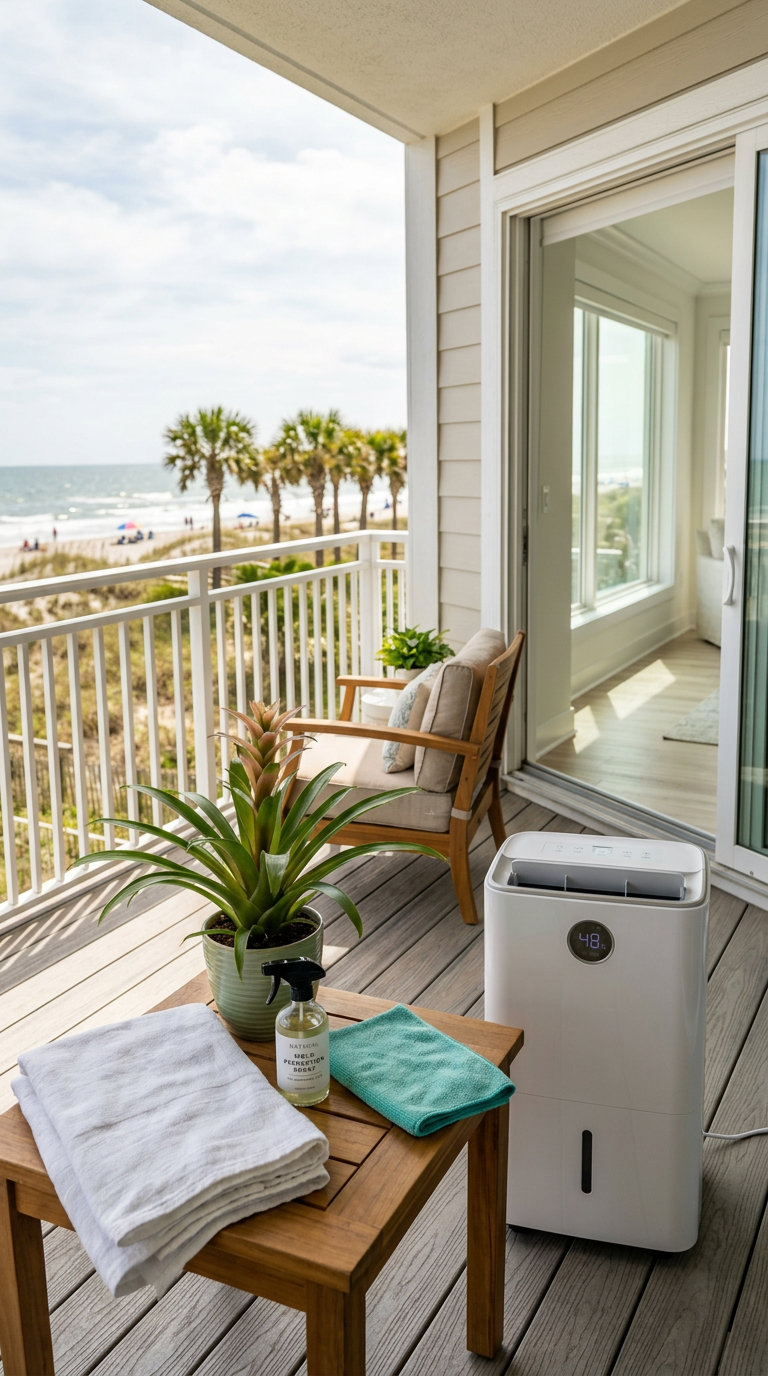
Living along the Grand Strand offers beautiful ocean views, but it also presents a constant battle against high humidity and salt-laden air. When moist air gets trapped inside tightly sealed oceanfront condos, it can quickly lead to a buildup of indoor allergens and mold spores. Keeping your indoor air clean and healthy requires a specialized, sustainable approach to coastal property care.
The Unique Coastal Indoor Air Challenge
Modern oceanfront condos are designed to be energy-efficient and tightly sealed against the elements. While this keeps the summer heat out, it also traps moisture, fine sand, and airborne pollen inside. Without proper circulation and targeted cleaning, this stagnant environment becomes a breeding ground for microscopic mold spores, mildew, and dust mites.
For residents and vacation guests, these airborne irritants can trigger allergies, asthma, and other respiratory discomforts. Simply relying on your air conditioning unit is not enough, as the HVAC system itself can become a distribution center for allergens if it is not managed with coastal challenges in mind.
Why Heavy Chemical Cleaners Can Backfire
When faced with musty odors or visible mildew, many property owners instinctively reach for harsh chemical sanitizers or chlorine bleach. However, in enclosed coastal properties, the volatile organic compounds (VOCs) from these heavy chemicals linger in the air long after the cleaning is finished. High indoor humidity can actually cause these chemical residues to off-gas more rapidly, severely compromising your indoor air quality.
Instead of resolving respiratory issues, harsh synthetic cleaners often aggravate them, causing headaches and airway irritation. Transitioning to green, botanical-based cleaners and EPA-registered sustainable products allows you to neutralize mold and disinfect surfaces safely, without leaving toxic residues in the air you breathe.
A Green Protocol for Mold and Mildew Prevention
Preventing mold and mildew sustainably requires targeted attention to high-moisture zones, particularly around ocean-facing window tracks where condensation pools, bathroom grout, and under-sink plumbing. Using natural, non-toxic solutions can break down fungal spores without damaging your finishes or releasing harmful fumes into your living space.
Regularly wiping down these vulnerable surfaces prevents mold from taking root. It is also essential to control indoor humidity levels, keeping them below 50 percent to disrupt the mold growth cycle naturally.
- Clean window tracks weekly to remove trapped condensation, salt crust, and organic matter.
- Use botanical, thyme-oil-based disinfectants on non-porous surfaces to safely eliminate spores.
- Ensure exhaust fans in kitchens and bathrooms run for at least twenty minutes after cooking or showering.
- Inspect refrigerator drip pans and under-sink pipes monthly for hidden moisture buildup.
Managing the Coastal HVAC System for Clean Air
Your HVAC unit acts as the lungs of your Grand Strand condo. In a coastal environment, salt-saturated air can accelerate the corrosion of HVAC coils, while the condensation lines can easily become clogged with algae and mold. When this happens, every cycle of the air conditioner blows musty, allergen-heavy air directly into your living spaces.
Upgrading to high-quality, electrostatically charged air filters (MERV 11 or higher) helps capture fine sand, pollen, and mold spores before they can recirculate. Regular coil cleaning and checking the condensate drain pan are vital steps to ensure your system improves indoor air quality rather than degrading it.
Addressing Humidity-Trapped Allergens in Soft Surfaces
Soft surfaces like carpets, heavy draperies, and upholstery act like magnets for salt air, ambient moisture, and dust mites. In Myrtle Beach's humid climate, these textiles hold onto dampness, making them prone to developing a stale, musty odor over time. Minimizing these soft surfaces or choosing easily washable fabrics is a highly effective way to keep your home allergen-free.
When laundering linens, mattress protectors, and removable slipcovers, using hot water and a green, fragrance-free detergent ensures that dust mites and allergens are thoroughly eliminated without introducing irritating synthetic perfumes into your bedrooms.
- Wash all bedding and mattress protectors in water that is at least 130 degrees Fahrenheit.
- Vacuum upholstered furniture weekly using a vacuum equipped with a true HEPA filter.
- Avoid heavy, non-washable draperies in favor of light, washable cotton panels or easy-to-clean blinds.
- Utilize washable area rugs instead of wall-to-wall carpeting in high-traffic entryways.
Key takeaway
Balancing coastal humidity with healthy indoor air requires a conscious shift toward sustainable, non-toxic cleaning habits. For professional, eco-friendly cleaning and indoor maintenance along the Grand Strand, contact A2Z Cleaning & Linen Services at 843.800.2788.
Keep Reading
Coastal Living
The Coastal Window Treatment and Blackout Drapery Sanitization Protocol: Mitigating Humid Mold Spores, Pollen Reservoirs, and VOC-Free Allergen Release in Grand Strand Homes
ReadCoastal Living
The Coastal Dehumidifier and Condensate Drain Line Maintenance Protocol: Mitigating Bio-Sludge, Spore Reservoirs, and Indoor Air Quality Failures in Grand Strand Homes
ReadCoastal Living
The Sub-Plank LVP Moisture Trap: Preventing Subfloor Mold, Joint Swelling, and Indoor Air Quality Failures in Grand Strand Homes
ReadReady for a spotless property?
Call 843.800.2788 or request a free quote from A2Z Cleaning & Linen Services.