Coastal Living
The Coastal Closet Microclimate: Managing Leather Mold, Organic Fiber Allergens, and Low-VOC Botanical Preservation in Grand Strand Homes
Discover how to protect your clothing, shoes, and indoor air quality from coastal humidity traps using safe, botanical, low-VOC methods tailored for Grand Strand closets.
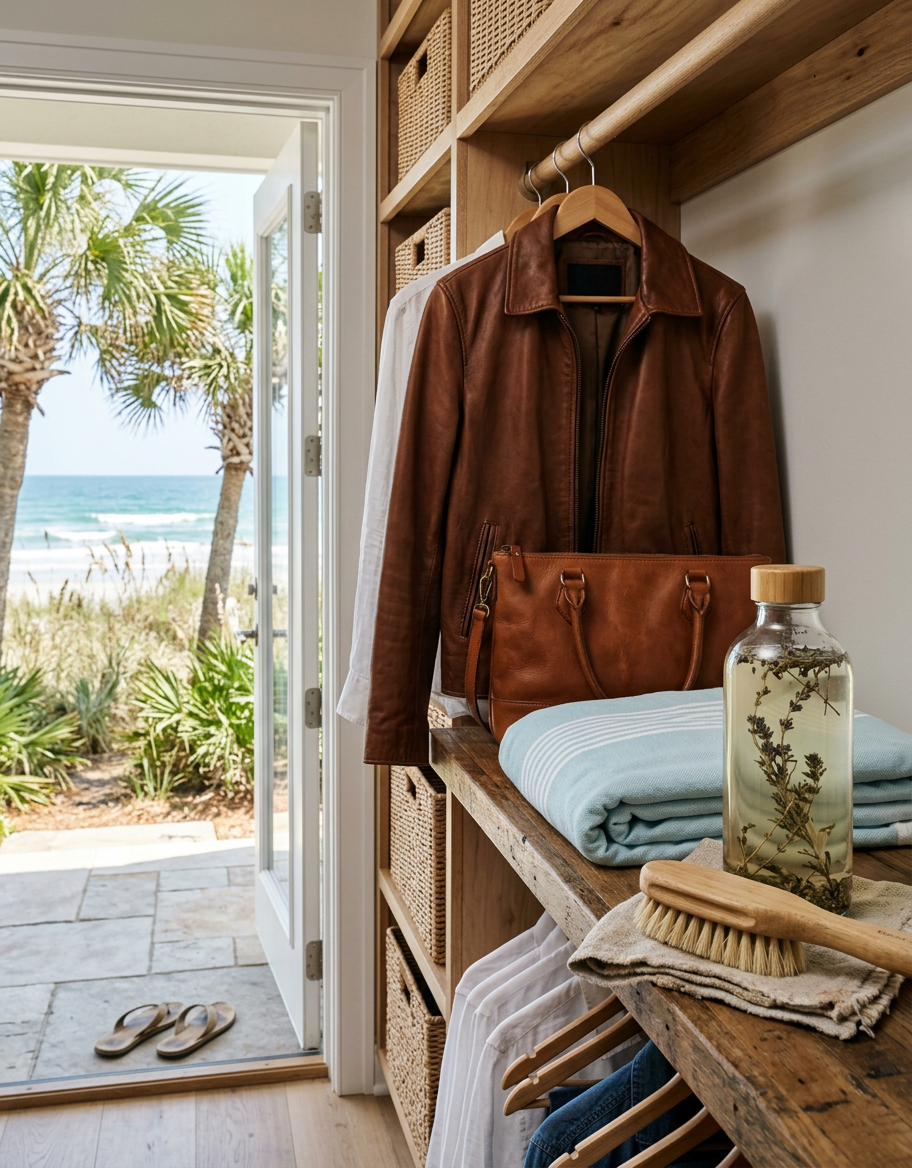
In the sub-tropical climate of the Grand Strand, homeowners pay close attention to the air conditioning settings and humidity levels in their main living areas. However, one of the most vulnerable zones for mold growth and allergen accumulation is often completely overlooked: the closet. Because closets lack active HVAC supply registers and return vents, they quickly turn into stagnant microclimates where trapped moisture wreaks havoc on high-value organic materials. At A2Z Cleaning & Linen Services, we frequently help local families protect their indoor air quality and belongings from these hidden coastal hazards using safe, low-VOC botanical protocols.
The Anatomy of a Coastal Closet Microclimate
Closet doors remain closed for the majority of the day, trapping a pocket of stagnant air against exterior walls that are highly susceptible to outdoor temperature shifts. In Myrtle Beach, our outdoor relative humidity frequently hovers above 80 percent, and when warm, humid air makes contact with cool, air-conditioned drywall, condensation forms behind clothes racks. Without the mechanical airflow provided by HVAC vents, this moisture cannot evaporate, creating a localized microclimate where humidity levels routinely exceed the critical 60 percent threshold required for mold spore germination.
Compounding this issue is the lack of light and the sheer density of stored items, which restrict passive air circulation. When you pack hanging clothes tightly together, you create dozens of small, unventilated pockets where moisture is absorbed by the fabrics. This is especially true for master walk-in closets located adjacent to bathrooms, where steam from daily showers migrates directly into the closet space and becomes trapped, accelerating the breakdown of organic fibers and providing a breeding ground for biological contaminants.
To mitigate this risk, Grand Strand homeowners must understand that closet care is directly linked to whole-house indoor air quality. Every time you open a musty closet door, millions of invisible mold spores and allergen particles are pulled into your bedroom and distributed throughout your home's HVAC system. Managing this microclimate requires a proactive combination of moisture control, regular physical inspections, and targeted green cleaning methods that do not rely on harsh synthetic chemical applications.
The Chemistry of Leather Mold and Mycotoxins in Enclosed Spaces
Leather is a highly porous, organic material that naturally absorbs and retains moisture from the surrounding air. Because it is treated with natural oils, fats, and tanning agents during manufacturing, leather shoes, jackets, and handbags provide an abundant food source for fungal species like Aspergillus and Penicillium. When relative humidity in a closet climbs, dormant mold spores landing on these surfaces germinate rapidly, digesting the organic proteins and leaving behind a powdery white, green, or yellow residue.
This fungal activity does more than just ruin expensive wardrobe investments; it actively degrades the indoor air quality of your sleeping quarters. As mold consumes the leather fibers, it releases volatile organic compounds (VOCs) and mycotoxins into the air, which can trigger respiratory distress, headaches, and allergy symptoms for sensitive family members. Simply wiping the visible mold off a leather shoe with a dry cloth does not solve the problem, as it releases these spores directly into your breathing zone and leaves the fungal root system intact within the pores of the leather.
Addressing leather mold safely requires a delicate balance of deep sanitation and material preservation. Traditional household remedies, such as chlorine bleach, should never be used on leather because the high pH level strips natural oils, causing the leather to crack, discolor, and degrade structurally. Instead, homeowners must utilize low-toxicity, pH-balanced botanical solutions that penetrate the leather's surface to neutralize the fungal roots without altering the structural integrity of the material.
Dust Mites and Organic Fiber Allergens: The Stagnant Air Factor
While mold is the most visible threat in a coastal closet, dust mites represent an equally significant hazard to respiratory health. Dust mites thrive in warm, humid environments where they feed on microscopic human skin cells shed onto clothing during wear. Natural, organic fibers such as cotton, wool, silk, and linen are highly absorbent, drawing moisture out of the air and creating the perfect micro-habitat for these microscopic pests to multiply exponentially.
In a standard bedroom, regular movement and airflow help disperse dust mite allergen particles, but the stagnant environment of a closet allows them to settle quietly into the weave of your garments. When you pull a winter coat or wool sweater from the back of the closet after months of storage, you are often exposing yourself to a concentrated dose of dust mite feces and decaying proteins. This exposure is a primary driver of year-round sinus congestion, nighttime coughing, and asthma flare-ups among Grand Strand residents.
Preventing allergen buildup in stored clothing requires a systematic approach to both washing and storage. Clothes should never be put away semi-dirty, as even trace amounts of sweat, skin oil, and outdoor pollen will attract pests and feed fungal colonies over time. Implementing a routine of washing seasonal garments at high temperatures or utilizing green dry-cleaning alternatives before long-term storage is essential for maintaining an allergen-free closet sanctuary.
- Inspect seasonal wool and silk items every sixty days for signs of microscopic fiber damage and musty odors.
- Avoid storing clothing in low-grade plastic bags, which trap ambient humidity and accelerate fiber rot.
- Use natural cotton garment bags that allow fabrics to breathe while blocking dust accumulation.
- Keep shoes off the floor on raised slatted racks to maximize airflow around the soles where moisture pools.
The Risks of Chemical Desiccants and Synthetic Fragrances in Small Spaces
When faced with a musty closet, many homeowners resort to quick-fix chemical solutions like moisture-absorbing tubs filled with calcium chloride or hanging deodorizers saturated with synthetic fragrances. While calcium chloride cups do collect water, they present a significant hazard if spilled; the highly alkaline brine solution can permanently stain carpets, corrode wood shelving, and pose a toxic risk to curious pets and small children who explore low-level closet areas.
Furthermore, heavy reliance on chemical air fresheners and scented closet discs only masks the underlying mold issue while severely compromising your indoor air quality. These products release synthetic terpenes, phthalates, and formaldehyde into a small, unventilated space, creating a highly concentrated soup of chemical VOCs. When you wear clothes stored in these environments, these chemicals transfer directly to your skin and are inhaled throughout the day, which can cause skin irritation and respiratory sensitivity.
A sustainable, health-conscious approach focuses on source removal and natural moisture management rather than chemical masking agents. By identifying why moisture is accumulating and resolving the physical bottlenecks in closet airflow, you eliminate the need for synthetic fragrances entirely. Clean air has no smell, and a healthy coastal closet should smell neutral, fresh, and free from both damp mustiness and heavy chemical perfumes.
The Step-by-Step Low-VOC Botanical Remediation Protocol
If you discover mold growth in your closet, it is vital to follow a systematic, low-VOC cleaning protocol to safely eradicate the spores without cross-contaminating the rest of your home. First, seal off the bedroom and turn off your HVAC system temporarily to prevent airborne spores from traveling through your ductwork. Don protective gear, including an N95 mask and gloves, to safeguard your health during the physical disturbance of the mold colonies.
Begin by carefully removing all unaffected clothing and sealing contaminated items in heavy-duty garbage bags for immediate laundering or professional wet cleaning. Next, use a vacuum cleaner equipped with a certified HEPA filter to thoroughly vacuum the closet walls, shelving, and floors. This step is critical, as a standard vacuum without a HEPA filter will simply exhaust microscopic mold spores back into your bedroom air, worsening the contamination.
Once loose spores are removed, apply an EPA-registered botanical disinfectant containing thymol (an extract of thyme oil) or a mild food-grade isopropyl alcohol solution to all hard surfaces, including wood shelving and painted drywall. Unlike chlorine bleach, botanical fungicides penetrate deeply into porous substrates to kill the fungal root structure safely while leaving no toxic chemical residues behind. Allow the surfaces to air dry completely, utilizing a high-efficiency fan or portable dehumidifier to draw out remaining deep-seated moisture.
Material-Specific Care: Preserving Leather, Suede, and Natural Wool Safely
Restoring mold-damaged garments requires specialized care to avoid destroying sensitive natural fibers. For finished leather items, wipe down the exterior surface with a soft microfiber cloth lightly dampened with a 50/50 mix of distilled water and isopropyl alcohol, which safely dehydrates and kills mold spores on contact. Once clean, apply a thin layer of natural, chemical-free leather conditioner to restore lost moisture and rebuild the leather's natural protective barrier.
Suede and nubuck require an ultra-dry approach, as water can easily ruin the delicate nap of these materials. Use a stiff, dry suede brush to physically loosen and lift surface mold outdoors, away from your living spaces. Once brushed, apply a botanical, fabric-safe sanitizing spray very lightly, allowing it to dry completely in a well-ventilated, shaded area before gently brushing the nap back into place with a clean suede stone.
For natural wool and cashmere sweaters, hand washing with a gentle, pH-neutral eucalyptus or lavender-based wool wash is highly effective. These botanical oils have natural antimicrobial properties that help deter clothes moths and dust mites while conditioning the delicate wool fibers. Always ensure these garments are completely bone-dry before storing them, as even a tiny pocket of dampness in a folded wool sweater can spark a localized mold colony within days.
Engineering Better Airflow: Passive and Active Ventilation Strategies
The permanent solution to preventing closet mold lies in modifying the physical space to encourage continuous airflow. One of the simplest and most effective changes you can make is replacing solid closet doors with louvered doors. Louvered panels allow the home's primary HVAC system to continuously exchange air with the closet interior, equalizing both temperature and humidity levels and eliminating the stagnant pockets where mold thrives.
If replacing doors is not an option, installing a small, ultra-quiet, energy-efficient thermo-electric dehumidifier directly inside the closet can make a dramatic difference. These compact units pull continuous moisture out of the air and deposit it into a small tank, which must be emptied regularly. For larger walk-in closets, running a small low-wattage personal fan on a timer can keep the air actively moving, disrupting the boundary layer of humidity that forms around hanging garments.
We also highly recommend placing a small, wireless digital hygrometer on a middle shelf in your closet. This simple, inexpensive tool allows you to monitor the relative humidity of the closet microclimate in real-time. If the display shows humidity levels consistently climbing above 55 percent, you know immediately that you need to increase ventilation, empty your dehumidifier, or adjust your home's central AC humidistat settings before mold has a chance to take root.
- Leave closet doors open a few inches during the day to encourage natural air exchange with the bedroom.
- Ensure clothes hangers are spaced at least one inch apart to allow air to pass between garments.
- Avoid storing large, bulky plastic storage bins on the floor, as they block lower-zone air circulation.
- Keep the closet floor completely clear of clutter to prevent dust buildup and allow easy vacuuming.
A2Z Professional Care: Protecting Your Home's Air Quality and Belongings
Maintaining a healthy, mold-free coastal home is a continuous effort, especially during our hot, humid South Carolina summers. While daily habits make a massive difference, deep-cleaning closet spaces can be an overwhelming task for busy homeowners and property managers. At A2Z Cleaning & Linen Services, we specialize in comprehensive coastal home maintenance that targets these hard-to-reach, high-humidity zones with precision, care, and professional-grade botanical chemistry.
Our highly trained technicians use commercial HEPA vacuums, botanical sanitizers, and advanced moisture-testing equipment to inspect, clean, and protect your closets from top to bottom. We do not use harsh chlorine bleaches or synthetic masking fragrances; instead, we rely on eco-friendly, green-certified products that are completely safe for your children, your pets, and your finest wardrobe pieces. We help you restore indoor air quality and protect your investments from the unique challenges of coastal living.
Whether you are dealing with a musty master walk-in, preparing a vacation rental for incoming summer guests, or simply looking to establish a healthier, allergen-free environment for your family, our local team is here to help. Contact A2Z Cleaning & Linen Services today at 843.800.2788 to schedule a professional home wellness clean and experience the peace of mind that comes with a scientifically clean, botanical approach to coastal property care.
Key takeaway
By understanding the unique humidity dynamics of coastal closets and rejecting harsh chemical quick-fixes in favor of low-VOC botanical cleaning, you protect both your valuable wardrobe investments and your family's respiratory health. Maintaining steady airflow, monitoring local humidity levels, and partnering with trusted local professionals ensures your home remains a clean, safe, and truly healthy coastal sanctuary.
Keep Reading
Coastal Living
The Coastal Window Treatment and Blackout Drapery Sanitization Protocol: Mitigating Humid Mold Spores, Pollen Reservoirs, and VOC-Free Allergen Release in Grand Strand Homes
ReadCoastal Living
The Under-Sink Cabinet Microclimate: Mitigating Mold Spore Colonization, Condensation Vectoring, and Chemical Off-Gassing in Grand Strand Homes
ReadCoastal Living
The Coastal Dehumidifier and Condensate Drain Line Maintenance Protocol: Mitigating Bio-Sludge, Spore Reservoirs, and Indoor Air Quality Failures in Grand Strand Homes
ReadReady for a spotless property?
Call 843.800.2788 or request a free quote from A2Z Cleaning & Linen Services.