Coastal Living
The Coastal Dehumidifier Coil and Reservoir Decontamination Protocol: Mitigating Mold Biofilms, Allergen Re-emission, and Botanical Sanitization in Grand Strand Homes
Discover how to safely sanitize your home's dehumidifiers using botanical-first protocols to eliminate hidden mold biofilms, prevent allergen re-emission, and protect coastal indoor air.
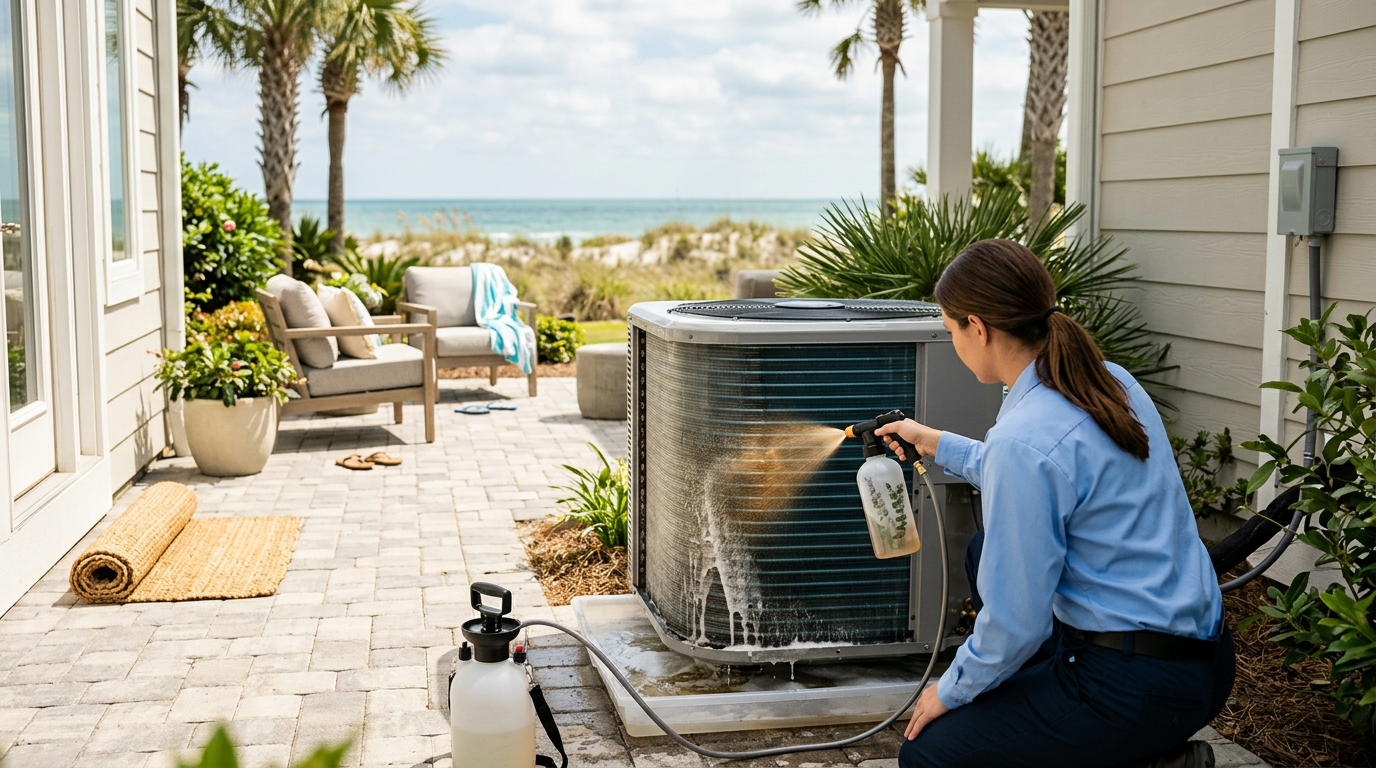
In the high-humidity environment of Myrtle Beach and the surrounding Grand Strand, maintaining indoor relative humidity below fifty percent is essential for preventing mold growth and protecting respiratory health. Dehumidifiers are the unsung workhorses of coastal properties, pulling gallons of moisture out of the air daily to keep indoor spaces comfortable and safe. However, because these machines constantly pull warm, wet air across cold coils, they quickly become prime breeding grounds for biological hazards if neglected. Implementing a strict, botanical-first decontamination protocol ensures your dehumidifier cleans your air rather than continuously recycling harmful mold spores and allergens throughout your home.
The Biofilm Trap: How Coastal Dehumidifier Coils and Reservoirs Colonize Mold
To understand why dehumidifiers require specialized decontamination, one must look at the thermodynamic process occurring inside the machine. As warm, moisture-laden coastal air is drawn into the unit, it passes directly over cold evaporator coils. This sudden drop in temperature causes water vapor to rapidly condense into liquid droplets, which then drip down into a plastic collection reservoir. While this process is highly effective at lowering humidity, it creates a continuously wet, dark, and warm internal environment that is highly conducive to microbial colonization.
The air pulled into the dehumidifier is never entirely clean; it carries microscopic skin cells, pet dander, fine outdoor pollen, and organic dust that easily bypass basic mesh pre-filters. As these organic particulates settle onto the damp surfaces of the copper coils and aluminum fins, they form a sticky, nutrient-rich layer known as a biofilm. This biofilm acts as an anchor and a food source for microbial life, allowing bacteria and fungal colonies to attach themselves securely to the machine's internal components.
Over time, common coastal mold genera such as Aspergillus, Penicillium, and Cladosporium establish deep roots within this biofilm. Once established, these fungal colonies are highly resilient, resisting simple water rinses and continuing to feed on the steady stream of incoming airborne organic matter. Without targeted sanitization to break down the biofilm matrix, the dehumidifier's damp interior remains a permanent incubator for biological contaminants.
The Indoor Air Quality Threat: Mechanical Aerosolization of Allergen Spores
A colonized dehumidifier poses a significant threat to indoor air quality because of how the appliance operates mechanically. Unlike passive mold growth hidden behind a baseboard, a dehumidifier utilizes a high-velocity fan motor to actively draw air in and push processed, dry air back out into the living space. When the fan blows over mold-laden coils and stagnant reservoir water, it physically shears off microscopic fungal spores, hyphal fragments, and volatile organic compounds, launching them directly into the domestic breathing zone.
This mechanical aerosolization of allergens means that every hour the machine runs, it is actively distributing fine particulates that bypass the body's natural respiratory defenses. For sensitive individuals, children, the elderly, or those managing asthma and chronic allergies, this constant exposure can trigger persistent respiratory irritation, nighttime coughing fits, and sinus inflammation. The very machine purchased to make the home healthier ends up acting as a highly efficient distribution system for biological irritants.
Furthermore, coastal homes often remain closed up during hot summer months, allowing these aerosolized spores to accumulate to highly concentrated levels. When these microscopic particles settle onto bedding, carpets, and upholstery, they create secondary reservoirs of allergens that are difficult to eradicate. Ensuring that the dehumidifier itself is biologically clean is the crucial first step in protecting your indoor breathing environment.
The Danger of Chemical Off-gassing: Why Harsh Bleach is a Coastal Mistake
When homeowners detect a musty odor emanating from their dehumidifier, their first instinct is often to pour concentrated chlorine bleach into the reservoir or spray it onto the delicate coils. This approach is highly counterproductive for both indoor air quality and the physical lifespan of the appliance. Chlorine bleach releases strong, volatile organic compounds into the air, which can irritate sensitive airways and degrade the indoor air quality you are actively trying to improve.
From a mechanical standpoint, bleach is highly corrosive to the metals used inside dehumidifier units. The thin aluminum heat-exchanger fins and copper refrigerant lines are easily pitted and degraded by sodium hypochlorite, which can lead to micro-fractures, refrigerant leaks, and ultimate system failure. Once the protective coatings on these metals are stripped away by harsh acids or bases, the metal surfaces become rougher, making it even easier for new mold biofilms to cling to them in the future.
Additionally, harsh chemical cleaners can weaken the structural integrity of the plastic reservoir buckets, causing them to become brittle, crack, and leak onto surrounding subfloors. To safely preserve the appliance and maintain clean indoor air, coastal homeowners must move away from corrosive chemical treatments and adopt gentle, highly effective botanical alternatives.
The Botanical Sanitization Toolkit: Eco-Friendly and Safe Chemistry
A safe and highly effective alternative to harsh household chemicals is a botanical-first cleaning toolkit centered around thymol, a natural antimicrobial compound derived from thyme oil. Thymol-based disinfectants are EPA-registered, hospital-grade sanitizers that quickly penetrate and break down tough mold biofilms without emitting toxic fumes. These plant-derived solutions are completely safe for use around children and pets, leaving no synthetic chemical residues behind on the machine's surfaces.
To complement botanical disinfectants, natural organic acids such as citric acid are highly effective at dissolving the stubborn hard-water mineral scale that binds biofilms to plastic reservoirs. Citric acid gently breaks down the calcium and magnesium deposits left behind by evaporating water, stripping away the physical structures that mold colonies use to anchor themselves. Combined with plant-derived surfactants, these natural solutions lift dirt, salt-air residues, and biological oils without stripping protective metal coatings.
By utilizing these green, biodegradable cleaning agents, you ensure that the air exhausted by your dehumidifier remains pure and free of chemical vapors. This sustainable approach not only safeguards your family's health but also extends the operational life of the dehumidifier's metal and plastic components by avoiding chemical corrosion.
Step-by-Step Evaporator Coil and Fin Decontamination
Restoring the evaporator coils and delicate aluminum fins requires a careful, systematic approach to avoid damaging the components. Begin by completely powering down the dehumidifier and unplugging it from the wall outlet. Move the unit to a well-lighted workspace, preferably outdoors or over a protective drop cloth, and carefully remove the outer plastic housing according to the manufacturer's instructions to fully expose the metal coil assemblies.
Before applying any wet solutions, use a soft-bristled brush or a vacuum cleaner equipped with a soft dusting brush to gently remove dry, salt-crusted dust and loose debris from the aluminum fins. Always brush parallel to the direction of the fins to prevent bending or crushing the delicate metal, as flattened fins restrict essential airflow and reduce the dehumidifier's efficiency. A specialized plastic fin comb can be used at this stage to gently straighten any bent sections.
Once the dry debris is removed, spray a generous coating of a self-rinsing, botanical foaming coil cleaner directly onto the evaporator coils. The natural foaming action will penetrate deep into the dense fin pack, lifting trapped organic matter and carrying it down into the condensate pan. For stubborn mold patches, use a soft-bristled detailing brush to gently agitate the surface before applying a final mist of thymol-based sanitizer, allowing it to air-dry completely.
- Always wear protective gloves and an N95 mask to prevent inhaling dislodged mold spores during the dry brushing phase.
- Never use high-pressure water sprayers or stiff wire brushes, which can instantly ruin delicate aluminum heat-exchanger fins.
- Apply the botanical foam evenly across both the front and back of the coil packs for a thorough decontamination.
- Ensure all electrical connections and control panels are shielded with plastic wrap before applying any liquids.
- Allow the botanical sanitizer to dwell on the metal surfaces for the full manufacturer-recommended contact time to ensure complete pathogen elimination.
Deep-Cleaning the Condensate Reservoir and Float Switch
The collection bucket, or reservoir, is the most common site for visible mold growth, often presenting as a slick, pink yeast or dark spotting in the hard-to-reach corners. Begin by sliding the reservoir out of the unit, emptying any standing water, and removing any detachable handles or splash guards. These removable plastic pieces often hide dense accumulations of biofilm along their seams and attachment points.
Fill the reservoir with warm water and add a plant-derived surfactant combined with two cups of white vinegar or a tablespoon of citric acid powder. Let the solution sit for fifteen minutes to dissolve mineral scale, then use a non-scratch microfiber cloth to thoroughly scrub all interior surfaces, paying close attention to the bottom corners and molded plastic lips. Avoid using abrasive scouring pads, which leave micro-scratches in the plastic that host future mold colonies.
Locate and carefully clean the float switch mechanism, which is usually a small plastic cylinder or lever that rises as the water level climbs. If this switch is coated in sticky biofilm, it can easily stick in the 'up' position, preventing the unit from running, or stick in the 'down' position, causing the reservoir to overflow and damage your flooring. Spray the switch assembly with a botanical disinfectant, gently wipe it clean with a cotton swab, and manually test its range of motion to ensure it moves freely.
Clearing Condensate Pump Lines and Gravity Drains
Many Grand Strand homeowners bypass the manual reservoir bucket entirely, utilizing a continuous gravity drain hose or an integrated condensate pump to channel water directly outdoors or into a nearby drain. While convenient, these drainage pathways are highly susceptible to developing thick, jelly-like bacterial slime clogs. These clogs are composed of iron-oxidizing bacteria and fungal biofilms that thrive in the dark, stagnant water inside the clear vinyl tubing.
When a drain line becomes restricted or blocked by slime, water backs up inside the dehumidifier's internal collection pan. This pooling water quickly overflows into the lower chassis of the machine, where it can contact internal electrical wiring or pool unseen beneath the appliance, rotting carpets and subflooring. Regular inspection and clearing of these lines are critical to preventing water damage and mold growth.
To clear the lines, detach the vinyl hose and flush it with a low-pressure bulb syringe loaded with a warm botanical sanitizing solution. If the tubing is heavily yellowed, brittle, or completely packed with black sludge, it is best to replace it entirely with fresh, food-grade vinyl hose. For units equipped with an internal condensate pump, open the pump's small reservoir chamber, wipe away any sludge, and flush the pump check-valve with a botanical solution to ensure reliable operation.
Establishing a Sustainable Coastal Maintenance Routine
To maintain optimal indoor air quality and protect your dehumidifier from premature wear, you must integrate decontamination into your ongoing home maintenance schedule. During our peak humid season along the Grand Strand—stretching from early May through late October—portable dehumidifiers run almost continuously. During these demanding months, reservoirs should be rinsed out weekly and deep-cleaned with botanical sanitizers every two weeks.
Air intake filters should be checked and washed bi-weekly to prevent dust buildup from restricting airflow, which causes the compressor to run hotter and consume more electricity. Always ensure the washable filter is completely dry before reinstalling it; inserting a damp filter back into the machine creates a perfect, immediate incubator for mold right in the primary airstream. A semi-annual deep clean of the internal coils and drainage lines should be performed every spring and autumn.
For busy homeowners, vacation rental hosts, and property managers, keeping up with these rigorous maintenance schedules can be a challenge. Partnering with a professional cleaning service that understands the unique environmental demands of the Grand Strand ensures these critical tasks are never overlooked. The trained team at A2Z Cleaning & Linen Services can seamlessly handle these detailed appliance sanitization protocols, ensuring your home remains a healthy, mold-free environment year-round.
- Monitor your indoor relative humidity daily using a digital hygrometer, aiming to keep levels consistently between forty-five and fifty percent.
- Always place portable dehumidifiers at least twelve inches away from walls and furniture to ensure unrestricted air circulation around the intake grilles.
- Regularly vacuum the floor area surrounding the dehumidifier to minimize the amount of dust and pet hair drawn into the intake filter.
- Inspect the external power cord and plug end monthly for any signs of heat discoloration or physical wear.
- Schedule a professional HVAC and indoor air quality audit annually to evaluate the overall humidity management strategy of your property.
Key takeaway
Dehumidifiers are essential for controlling high coastal humidity, but they require consistent, botanical-first decontamination to prevent them from becoming sources of mold and airborne allergens. By avoiding harsh, corrosive chemicals like bleach and utilizing plant-derived sanitizers instead, you protect both your family's respiratory health and the lifespan of your appliance. For comprehensive indoor air quality care and professional property maintenance along the Grand Strand, contact A2Z Cleaning & Linen Services at 843.800.2788.
Keep Reading
Coastal Living
The Coastal Portable Air Purifier and HEPA Filter Restoration Standard: Mitigating Salt-Damp Dust Loading, Mold-Spore Colonization, and Botanical Cleaning Alternatives in Grand Strand Homes
ReadCoastal Living
The Coastal Window Treatment and Blackout Drapery Sanitization Protocol: Mitigating Humid Mold Spores, Pollen Reservoirs, and VOC-Free Allergen Release in Grand Strand Homes
ReadCoastal Living
The Coastal Dehumidifier and Condensate Drain Line Maintenance Protocol: Mitigating Bio-Sludge, Spore Reservoirs, and Indoor Air Quality Failures in Grand Strand Homes
ReadReady for a spotless property?
Call 843.800.2788 or request a free quote from A2Z Cleaning & Linen Services.