Linens & Laundry
The Coastal Family Multi-Pet and Child Bedding Sanitization Protocol: Mitigating Salt-Damp Yeast, Dander Reservoirs, and Saliva-Stained Linen Odors in Grand Strand Homes
A step-by-step guide to removing pet dander, hair, saliva, and organic spills from family bedding using child-safe, non-toxic sanitization workflows in our humid coastal climate.
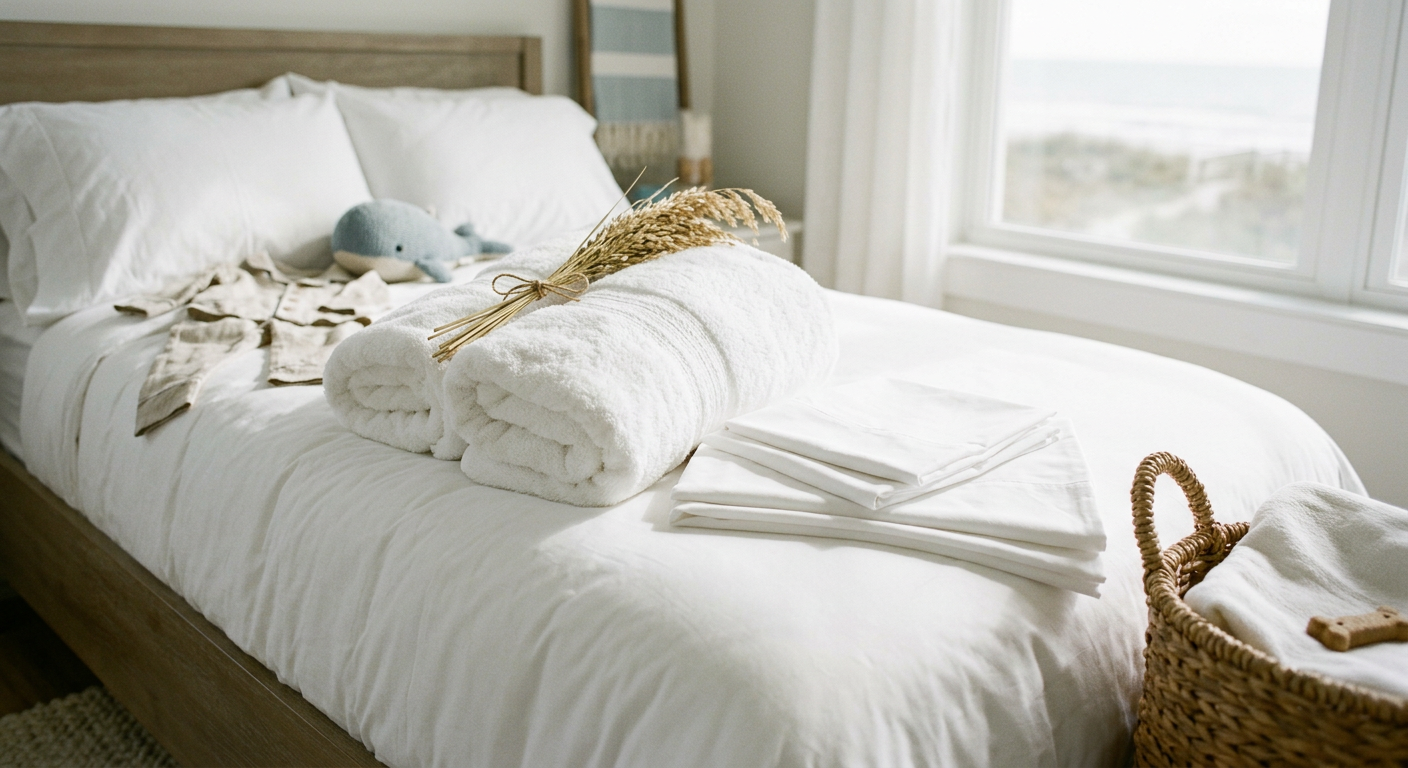
Living along the Grand Strand means dealing with a beautiful but highly humid coastal environment where active kids, beloved family pets, and salt-damp air constantly mingle. For busy households, family bedding, crib sheets, and pet blankets quickly become central collection points for outdoor sand-grit, pet dander, and biological allergens. When high humidity levels combine with these organic residues, it creates a stubborn, foul-smelling biofilm that standard laundry habits cannot fully eliminate. This comprehensive guide outlines a practical, child-safe, and pet-friendly protocol to sanitize family linens, preserve fabric life, and keep your home smelling fresh and allergen-free year-round.
The Coastal Bedding Dilemma: Analyzing the Salt-Damp, Yeast, and Dander Matrix
In the humid subtropical climate of Myrtle Beach, indoor relative humidity levels frequently fluctuate, often creeping above ideal thresholds. This moisture-rich indoor air acts as a binder, locking microscopic salt-air particles, human perspiration, and pet dander into the weave of cotton and polyester bedding. Unlike dry inland climates where allergens can be easily shaken from dry fabrics, coastal moisture creates a sticky microscopic biofilm on sheets, duvet covers, and pillowcases.
This damp matrix becomes an ideal breeding ground for yeast, specifically Malassezia, which naturally resides on canine skin and paws. When dogs or cats sleep on family bedding, they transfer these yeasts, which feed on human sebum and sweat trapped in the fabric. The result is the distinct, sour "corn chip" or musty odor that many Grand Strand pet owners struggle to eliminate, even after running a standard cold laundry cycle.
Furthermore, microscopic dust mites thrive in this exact combination of warmth, high humidity, and abundant dander. Traditional, rapid wash cycles fail to denature these allergens or dissolve the lipid-based bond holding pet saliva and oils to the fabric. To break this cycle, families must shift from simple surface washing to a systematic extraction and sanitization process.
Dry Extraction First: Why You Must Remove Hair and Sand Before the Wash
Placing pet-hair-laden and sandy bedding directly into a washing machine is one of the most common laundry mistakes. When water hits pet hair, the keratin fibers swell and cling to the damp cotton threads of your sheets, weaving themselves deeper into the fabric. Additionally, loose sand-grit washed from the linens sinks to the bottom of the wash drum, where it can damage pump impellers, wear out drum seals, and clog the machine's drain filter over time.
Before your linens ever touch water, you must perform a dry extraction step to remove the bulk of physical debris. Spreading the dry sheet or blanket over a flat surface and pulling a rubber squeegee or a damp, textured microfiber mitt across the fabric will easily roll loose fur and hair into manageable clumps. For delicate fabrics, a static-charge pet hair brush works exceptionally well without snagging the threads.
Once the major hair deposits are removed, tumble the dry bedding in your dryer on an "air fluff" or "no heat" cycle for ten minutes. The dry mechanical action, combined with the dryer's high-velocity airflow, dislodges stubborn micro-sand and loose dander, pulling them directly into the lint trap. Clean the lint trap immediately afterward to ensure maximum airflow for subsequent drying cycles.
Child-Safe and Pet-Safe Chemistry: Moving Beyond Harsh Chemicals
Many commercial laundry detergents rely on optical brighteners, synthetic perfumes, and harsh surfactants like linear alkylbenzene sulfonates to make fabrics look and smell clean. These chemicals do not actually remove dirt; instead, they leave a microscopic chemical residue on the fibers designed to reflect light and mask odors. For young children with developing respiratory systems or pets with sensitive skin, sleeping on these chemical residues can trigger contact dermatitis, eczema, or asthma flare-ups.
To protect your family, transition to plant-derived, fragrance-free detergents formulated with active, biodegradable enzymes. Look for formulations containing protease (to break down protein-based stains like drool, baby formula, and pet saliva), lipase (to target body oils and sebum), and amylase (to digest starches from spilled snacks). These enzymes chemically break down organic soils at a molecular level, allowing them to be completely rinsed away rather than masked.
To naturally boost odor elimination and lift stubborn gray salt-haze from white sheets, utilize simple household ingredients. Adding half a cup of sodium bicarbonate (baking soda) directly to the wash drum helps neutralize acidic odors and soften hard coastal water. In the rinse cycle, substitute commercial fabric softeners with half a cup of distilled white vinegar; the mild acetic acid strips away detergent buildup, flushes out trapped minerals, and leaves fabrics naturally soft and residue-free.
The Wash-Cycle Temperature and Mechanical Action Standard
To effectively neutralize dust mites and denature the glycoprotein allergens found in pet saliva, wash water must reach a minimum temperature of 130 degrees Fahrenheit. However, constant exposure to high temperatures can degrade natural cotton fibers, leading to thinning sheets and frayed seams. For weekly maintenance, program your washing machine to a warm-to-hot wash cycle with an extended wash time, which provides the necessary heat to sanitize without destroying the fabric.
Select a cycle that utilizes a high water level or an "extra water" option if your machine allows it. Active families need plenty of water to fully suspend and flush away dissolved sand-grit, pet dander, and sweat. High-efficiency machines that use too little water can end up redepositing loosened soils back onto the bedding during the agitation process, leaving sheets looking gray and feeling stiff.
Always program a double rinse cycle for family bedding. This extra rinse step is crucial to ensure that every trace of suspended organic material, enzyme, and vinegar is thoroughly flushed from the fabric. Leaving even a small amount of surfactant behind can attract airborne dust and pet hair more rapidly once the sheets are returned to the bed.
Deodorizing and Sanitizing Saliva and Urine Stains on Bedding and Pads
Whether dealing with toddler bed-wetting accidents, baby spit-up, or pet drool, biological stains require immediate, specialized attention. When urine or saliva contacts fabric, the uric acid and proteins bind tightly to the fibers. If you wash these items in hot water or dry them in a hot dryer before chemically breaking down the proteins, you will permanently bake the stain and the ammonia-based odor into the fabric.
To handle these mishaps safely, saturate the affected area with an enzyme-based stain remover immediately after the accident occurs. Allow the enzymatic digester to sit on the damp fabric for at least 15 to 30 minutes in a cool room, keeping it moist so the active bacteria can feed on and break down the urea and proteins. Once the dwelling time is complete, wash the item in cold water first to flush out the digested organic matter.
If the stain is completely gone, you can then wash the item in a standard warm-to-hot sanitizing cycle to eliminate any remaining bacterial traces. For mattress pads and zippered protectors, ensure they are washed with similar soft items to prevent aggressive zippers or buttons from tearing the protective, waterproof polyurethane membranes that shield your mattress from deeper contamination.
Drying Protocols to Prevent Mildew and Static Pet-Hair Attraction
Drying laundry in the Grand Strand requires careful timing to prevent mold colonization. If damp sheets are folded and placed into a dark closet, Aspergillus mold spores can germinate within 48 hours in our humid coastal air. When using a clothes dryer, avoid synthetic dryer sheets entirely; they coat fibers in a thin layer of animal-fat-based quaternary ammonium compounds, which drastically reduces fabric absorbency and acts as a magnet for floating pet hair.
Instead, place three to four natural, organic wool dryer balls into the dryer drum. As they tumble, the wool balls physically separate the heavy wet layers of bedding, allowing warm air to circulate more efficiently and cutting drying times by up to 25 percent. The natural friction of the wool also softens the fabric fibers and helps dissipate static electricity, which keeps pet hair from clinging to the freshly dried sheets.
Always verify that the thickest parts of your bedding—such as the double-stitched corners of fitted sheets, mattress pad borders, and duvet seams—are 100 percent dry before removing them from the dryer. If any moisture is detected, run the machine for an additional ten-minute cycle on low heat. Store your clean family linens in well-ventilated slatted closets rather than solid plastic bins to allow continuous airflow.
Establishing a Realistic Weekly Rotating Linen Maintenance Schedule
Managing a busy household with kids and pets can make laundry feel like an endless, overwhelming chore. Instead of letting dirty linens pile up for a massive, exhausting weekend laundry marathon, establish a structured, rotating schedule. Breaking the tasks down into targeted, manageable daily washes ensures that no single load becomes too heavy and that your washer has ample time to dry out between cycles.
Consider scheduling kids' sheets and favorite soft plush toys on Mondays, when school and nursery routines resume. On Wednesdays, tackle the master bedroom sheets and duvet covers, ensuring adult sleep spaces remain free of accumulated dander and hair. Dedicate Fridays to pet blankets, dog bed covers, and living room throw blankets, clearing away the week's buildup of outdoor sand and dander before the busy weekend begins.
To support this rotation and prevent your washing machine from becoming a source of damp, musty odors, always leave the washer door open after completing a load. In our humid coastal climate, the rubber door seal on front-loading washers easily traps standing water and organic residue, leading to rapid mold growth. Wiping down the rubber gasket with a dry microfiber cloth weekly keeps your machine clean and your family's bedding fresh.
Key takeaway
Maintaining clean, fresh, and allergen-free bedding in an active, coastal household with pets and children does not require harsh chemical disinfectants or exhausting daily chores. By implementing a systematic dry extraction process, using targeted botanical enzymes, and adhering to a consistent, rotating schedule, you can protect your family's skin and respiratory health while preserving your valuable linens. For deep carpet cleaning, mattress sanitization, or professional help keeping your busy Myrtle Beach home in pristine condition, contact A2Z Cleaning & Linen Services at 843.800.2788.
Keep Reading

Linens & Laundry
The Coastal Hotel-Grade Zippered Mattress Encasement Laundering Protocol: Mitigating Polyurethane Membrane Delamination, Salt-Air Zipper Corrosion, and Sand-Abrasion Failures in Grand Strand Rentals
ReadLinens & Laundry
The Coastal Hotel-Grade Triple-Sheeting Sanitization and Assembly Protocol: Mitigating Comforter Bio-Burden, Sandy Sebum, and Turn-Time Pressures in Myrtle Beach Rentals
ReadLinens & Laundry
The Commercial Laundry RFID Microchip and Textile Life-Cycle Asset Management Standard: Mitigating Shrinkage, Loss-to-Trash, and Grade-A Sortation Failures in Grand Strand Hospitality
ReadReady for a spotless property?
Call 843.800.2788 or request a free quote from A2Z Cleaning & Linen Services.