Linens & Laundry
The TRSA Clean Green and Hygienically Clean Hospitality Standards: Implementing Water-Recycling Technologies, Thermal Disinfection, and Alkalinity-Controlled Wash Formulas in Grand Strand Industrial Laundries
Discover how national TRSA laundry standards protect Myrtle Beach resorts with advanced sanitization, eco-friendly water recycling, and scientifically audited textile care.
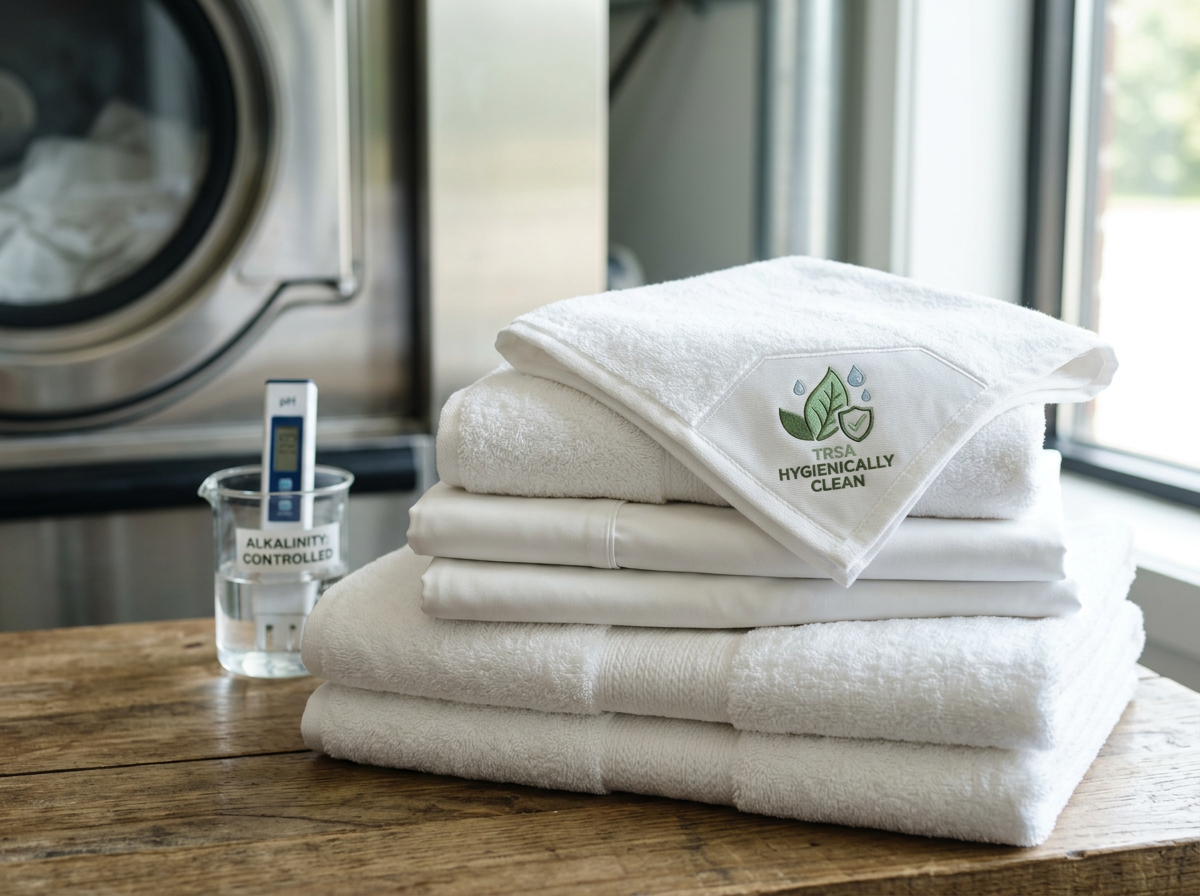
In the high-demand Grand Strand vacation rental and resort market, linen management is a critical component of guest safety, property reputation, and operational efficiency. Leading commercial operations are turning to national benchmarks, specifically the Textile Rental Service Association (TRSA) Clean Green and Hygienically Clean Hospitality certifications, to standardize performance. By adopting these rigorous industry frameworks, Grand Strand property managers and resort owners can ensure their textiles meet strict microbial safety limits while minimizing water and chemical waste in our delicate coastal environment. Understanding these national benchmarks allows local hospitality leaders to make informed decisions that protect both their guests and their bottom lines.
The National TRSA Framework and Its Grand Strand Relevance
The Textile Rental Service Association (TRSA) established the Hygienic Clean and Clean Green certifications to provide objective, third-party verification for commercial laundry facilities. Historically, hospitality operations relied on subjective visual inspections to determine if sheets and towels were clean. TRSA standards shift this metric by introducing scientific criteria, measuring actual bacterial load and chemical residue on finished textiles. For Grand Strand resorts handling millions of pounds of linen during peak summer, this national standard bridges the gap between basic cosmetic cleanliness and verified sanitary protection.
The coastal environment presents unique challenges that make TRSA standards highly relevant to local property managers. High humidity accelerates mold and mildew growth on damp towels left by guests, while salt air and sand grit bind tightly to cotton fibers. Standard residential washing machines lack the mechanical action, temperature controls, and chemical precision needed to strip these stubborn soils. Implementing TRSA-aligned wash protocols ensures that high-volume linens are completely sanitized, preserving the tactile softness and bright white appearance that premium Grand Strand guests expect.
Clean Green certification specifically addresses the environmental impact of large-scale laundry operations. Myrtle Beach's municipal water systems and local ecosystems require careful stewardship, especially during dry summer months when utility demands peak. TRSA Clean Green standards mandate strict thresholds for water consumption, energy efficiency, and eco-friendly chemical usage. Transitioning to these sustainable guidelines allows coastal operators to protect our local waterways while maintaining the heavy-duty soil removal capacity necessary for high-turnover hospitality units.
Microbial Bio-Burden and the Science of Thermal Disinfection
Thermal disinfection is the cornerstone of the TRSA Hygienic Clean standard, requiring precise temperature-time relationships to destroy pathogens. In high-volume hospitality environments, textiles are exposed to a wide range of organic soils, bodily fluids, and sunscreen oils. To achieve true sanitization without damaging fabric integrity, wash water must reach and maintain a minimum temperature of 160 degrees Fahrenheit (71 degrees Celsius) for at least 25 minutes. This process denatures the proteins in bacteria, viruses, and mold spores, rendering them completely inactive before the rinse cycle begins.
For Grand Strand laundry operations, relying on domestic water heaters is simply insufficient to meet these rigorous standards. Commercial-grade boilers and steam-injected wash wheels are required to rapidly elevate water temperatures and sustain them throughout the wash cycle. This level of thermal exposure is particularly critical for handling pool and beach towels, which frequently harbor damp-loving fungi and Pseudomonas bacteria. By adhering to the TRSA thermal disinfection curve, local operators can guarantee that every sheet, pillowcase, and bath mat is free of invisible microbial hazards.
The sanitization process does not end in the wash wheel; it extends to the ironers and dryers. Commercial ironers operate at temperatures exceeding 300 degrees Fahrenheit, utilizing high pressure to simultaneously dry, press, and further sanitize flatwork. This secondary thermal shock eliminates any residual micro-organisms that might have survived the wet wash phase. This multi-step heat treatment process ensures that linens delivered to Grand Strand rentals are not just visually appealing, but clinically clean and safe for immediate guest contact.
Alkalinity-Controlled Wash Chemistry and Surfactant Performance
Industrial wash chemistry is a balance of pH, mechanical action, and specialized surfactant formulas. The TRSA standard emphasizes precise chemical titration to neutralize soils while preventing chemical residue from remaining on the finished fabric. In coastal South Carolina, municipal water chemistry can vary significantly, often carrying high mineral content that interferes with soap efficiency. Commercial operators must continuously test water hardness and adjust their wash formulas, utilizing specialized builders and softeners to maintain an optimal alkaline pH of 10.5 to 11.5 during the main wash cycle.
This high alkalinity is essential for swelling cotton fibers, allowing surfactants to penetrate deep into the weave to release bound sand, body oils, and stubborn sunscreen lipids. However, leaving textiles at this high pH would cause skin irritation for guests and rapid fiber degradation. TRSA protocols require a dedicated souring phase during the final rinse cycles. Applying mild, biodegradable organic acids lowers the fabric pH back to a skin-neutral range of 5.5 to 6.5, which also prevents yellowing or graying during the high-heat ironing process.
Modern surfactants used under TRSA Clean Green guidelines are formulated without nonylphenol ethoxylates (NPEs), a class of chemicals toxic to aquatic life. Instead, leading laundries utilize advanced alcohol ethoxylates that break down rapidly in municipal wastewater systems. These eco-friendly surfactants are highly effective at emulsifying heavy sebum and oils in low-water-volume washes, proving that environmental sustainability does not require sacrificing clean results. For Grand Strand managers, this translates to brighter, fresher linens that reflect a commitment to local conservation.
Industrial Water-Recycling and Heat-Recovery Infrastructure
Operating an industrial laundry in a coastal resort zone demands high conservation standards. TRSA Clean Green certification mandates the use of water-reuse systems to reduce overall consumption. These advanced systems capture wastewater from final rinse cycles, filter out suspended solids and lint, and route it back into the initial pre-wash cycles for the next load. This process dramatically reduces fresh water intake, often saving up to 50 percent of total water usage compared to traditional commercial setups.
Alongside water conservation, heat-recovery systems play a vital role in reducing the carbon footprint of industrial facilities. Hot wastewater destined for the sewer is passed through a liquid-to-liquid heat exchanger, pre-heating the incoming cold municipal water. By raising the incoming water temperature by 30 to 40 degrees before it even reaches the water heater, facilities significantly reduce natural gas or electrical consumption. For Grand Strand communities, this resource efficiency helps stabilize the local energy grid during hot, high-demand summer weekends.
The integration of continuous batch washers, also known as tunnel washers, represents the pinnacle of this technology. Unlike traditional washer-extractors, tunnel washers move linens through separate compartments in a continuous stream, counter-flowing water from clean to dirty ends. This allows for unparalleled water and heat efficiency, processing thousands of pounds of hospitality linens per hour while using a fraction of the utility resources. Utilizing these advanced technologies allows professional Grand Strand operations to meet both national green standards and rapid local turnaround times.
Preventing Cross-Contamination: Soiled-to-Clean Barrier Workflows
A critical element of TRSA Hygienic Clean certification is the physical separation of soiled and clean linen processing areas. In many uncertified operations, clean sheets are folded in the same airspaces or on the same surfaces where dirty laundry is sorted, leading to airborne cross-contamination. Certified facilities utilize a physical barrier wall, negative air pressure on the soiled side, and positive air pressure on the clean side. This ensures that lint and airborne pathogens from dirty linens are never pushed into clean folding and packaging zones.
Operational procedures must mirror this physical separation. Employees working on the soiled sorting side must wear appropriate personal protective equipment (PPE) and are strictly prohibited from entering the clean finishing side without undergoing a full decontamination and hand-sanitation protocol. Additionally, carts used to transport soiled linens must be chemically sanitized with an EPA-registered disinfectant before they can be loaded with clean, wrapped textiles. This closed-loop sanitation pathway ensures that the clean state achieved in the wash wheel is preserved all the way to the guest room.
For local property managers, this level of process control mitigates the hidden risks of cross-contamination that often occur in smaller, uncertified in-house laundry operations. When soiled beach towels are washed in the same small rooms where clean bed linens are stored, the risk of transferring mold spores and bacteria is high. By partnering with a laundry service that adheres to TRSA barrier standards, property managers can guarantee that their guests are climbing into bedding that has been handled with clinical-level hygiene precautions from start to finish.
Quality Assurance Auditing: USP/NF Bio-Burden Swab Testing
Objective testing is what separates certified TRSA operations from standard commercial cleaners. To maintain Hygienic Clean status, facilities must submit to regular third-party microbiological testing of their finished linens. This involves random sampling of processed sheets and towels, utilizing United States Pharmacopeia (USP) standards to measure total aerobic microbial counts. To pass, the textiles must show virtually zero pathogens, confirming that the wash chemistry, temperature, and mechanical action are functioning perfectly to eliminate bio-burden.
In addition to microbiological swabs, facilities conduct daily chemical titration tests to verify water quality, pH levels, and chemical residuals. Using precise test kits, laundry managers measure the concentration of active chlorine, peroxide, and souring agents in each wash cycle. If the pH of the final rinse deviates even slightly from the target neutral range, the system is immediately calibrated. This level of rigorous, data-driven quality control prevents fabric damage, ensures skin-safe pH levels, and guarantees consistent cleanliness for every single batch of linens processed.
These objective quality audits provide immense peace of mind to Grand Strand resort operators and vacation rental owners. In a digital world where a single negative review regarding dirty linens can severely impact booking rates, relying on verified data is essential. When you work with a professional, TRSA-aligned team, you are not just getting clean sheets; you are investing in a certified, audited system designed to eliminate human error and protect your brand's reputation across the Grand Strand.
Labor Training and TRSA Certification Pathing for Local Operators
Maintaining high-performance standards requires a highly trained and certified workforce. TRSA frameworks place significant emphasis on continuous employee education, focusing on chemical safety, infection control, and ergonomic material handling. Workers are trained to identify different fabric types, recognize specific stains, and select the correct pre-treatment protocols. This specialized knowledge elevates the role of laundry operator from a basic manual labor position to a skilled technical specialist, fostering pride of workmanship and reducing turnover.
In the seasonal Grand Strand market, labor retention is a persistent challenge for many hospitality businesses. By implementing structured training programs and clear career advancement pathways aligned with national standards, professional operations can attract and retain high-caliber talent. Employees who understand the science behind thermal disinfection and chemical titration are more engaged and take greater ownership of the quality of their work. This translates directly to more reliable service, fewer linen rejects, and consistent quality for local property managers during the peak summer rush.
Furthermore, prioritizing worker safety through OSHA-compliant training and ergonomic equipment design is a core tenet of TRSA certification. Heavy lifting, repetitive motions, and exposure to hot machinery require strict safety protocols, including mechanical lift assists, anti-fatigue matting, and automated sorting conveyors. Investing in a safe, professional work environment ensures that laundry facilities operate smoothly year-round, providing a dependable supply of clean linens to Grand Strand properties without the disruptions caused by high staff turnover or workplace injuries.
Supply Chain Resilience and Textile Life-Cycle Preservation
Hospitality linens represent a substantial capital investment for property managers and resort owners. The harsh coastal environment, combined with frequent, heavy-duty washing, can quickly degrade low-quality textiles, leading to high replacement costs. TRSA standards address this by focusing on textile preservation alongside sanitization. Utilizing balanced chemical formulas and controlled water temperatures prevents fibers from becoming brittle and tearing prematurely. Proper rinsing and neutralizing chemistry also protect the tensile strength of the fabric, extending its operational life-span.
Additionally, leading industrial laundry operations work closely with textile manufacturers to select fabrics specifically engineered to withstand commercial processing. This includes high-tensile-strength cotton-polyester blends, reinforced hems, and chlorine-resistant dyes for colored beach towels. By standardizing on durable, commercial-grade linens, Grand Strand managers can reduce their annual textile replacement rates by up to 30 percent. This longevity, combined with efficient washing processes, provides a superior return on investment while maintaining a luxury feel for guests.
Supply chain resilience is further enhanced by maintaining robust inventory cushions and proactive replacement tracking. Professional operations monitor the age and condition of each linen pool, systematically weeding out worn or stained items before they ever reach a guest room. During the busy Grand Strand summer season, having a reliable partner ensures that your properties are always stocked with pristine, certified-clean sheets and towels, allowing you to focus on guest satisfaction and property management.
- Extend the life-cycle of resort linens by using pH-balanced wash chemistry that preserves fiber tensile strength.
- Reduce environmental impact in the Grand Strand with advanced heat-recovery and water-recycling systems.
- Ensure guest safety with verified 160-degree Fahrenheit thermal disinfection protocols.
- Eliminate cross-contamination by implementing strict soiled-to-clean physical barriers in the laundry facility.
- Verify cleanliness standards through regular, independent microbial testing and daily chemical titrations.
Key takeaway
Adopting national TRSA Clean Green and Hygienically Clean standards elevates Grand Strand hospitality laundering from a basic chore to a scientific, eco-friendly process. By partnering with a professional service like A2Z Cleaning & Linen Services at 843.800.2788, local property managers can guarantee clinically clean linens, extend textile life-cycles, and protect our coastal environment.
Keep Reading
Linens & Laundry
The Coastal Hotel-Grade Triple-Sheeting Sanitization and Assembly Protocol: Mitigating Comforter Bio-Burden, Sandy Sebum, and Turn-Time Pressures in Myrtle Beach Rentals
ReadLinens & Laundry
The Coastal Terry Towel Absorbency and Softness Restoration Protocol: Mitigating Fabric Softener Build-Up, Hard-Water Crust, and Mildew Odor in Grand Strand Laundries
ReadLinens & Laundry
The TRSA Hygienically Clean Hospitality Standard: Implementing Industrial Wash Chemistry, Bio-Burden Testing, and Soil-to-Clean Separation in Myrtle Beach Commercial Laundries
ReadReady for a spotless property?
Call 843.800.2788 or request a free quote from A2Z Cleaning & Linen Services.