Linens & Laundry
The TRSA Hygienically Clean Hospitality Standard: Implementing Industrial Wash Chemistry, Bio-Burden Testing, and Soil-to-Clean Separation in Myrtle Beach Commercial Laundries
Discover how national TRSA standards for bio-burden validation, wash chemistry, and physical soil-to-clean separation protect linen assets and guest health in Grand Strand lodging operations.
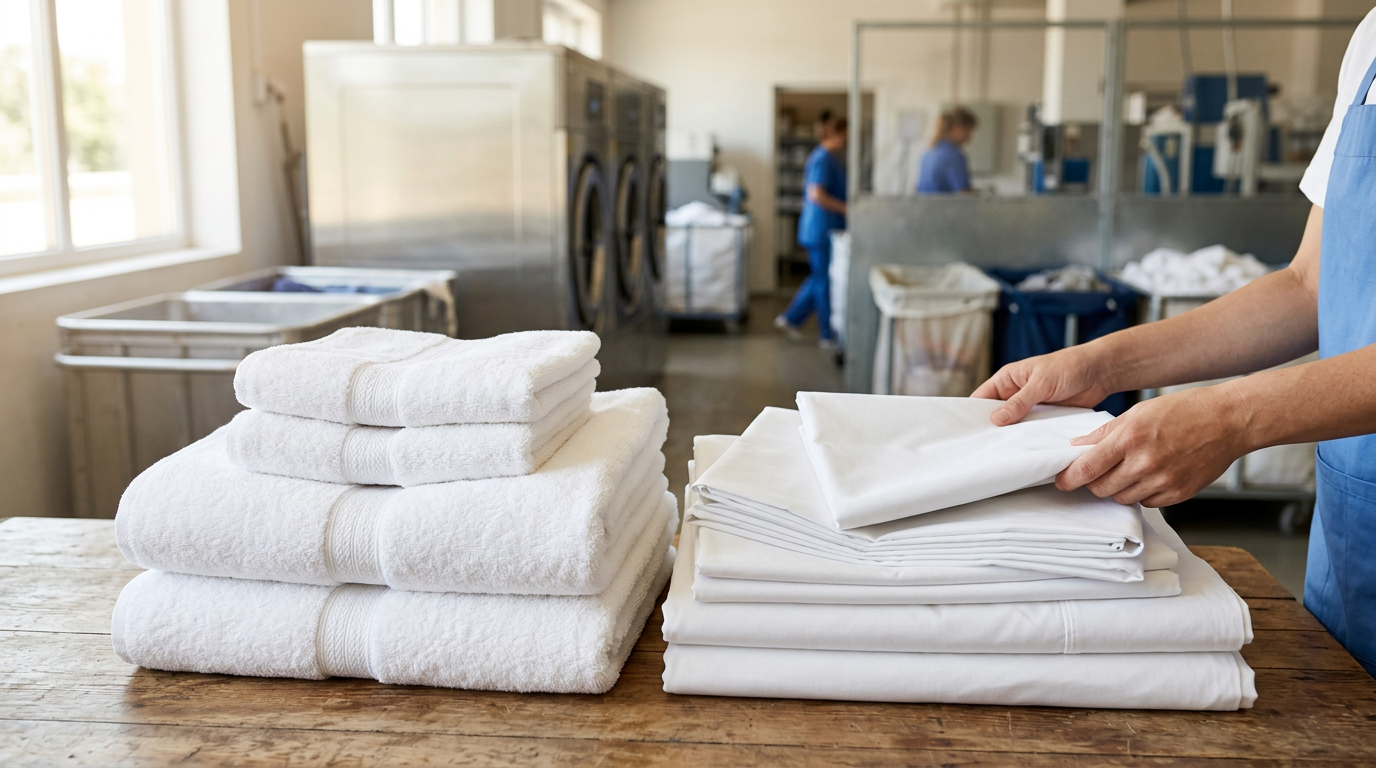
In the high-stakes Myrtle Beach hospitality market, linen management is much more than a cosmetic concern. With millions of visitors cycling through oceanfront resorts and vacation rentals annually, the physical demands placed on sheets, towels, and food-service linens are immense. To safeguard guest health and preserve valuable textile assets, leading operators are moving away from residential-grade laundry setups and adopting national industrial standards. Specifically, the Textile Rental Service Association (TRSA) Hygienically Clean Hospitality certification has become the benchmark for commercial wash quality, setting quantitative limits on pathogens while optimizing chemical efficiency.
The Core Principles of TRSA Hygienically Clean Hospitality Certification
The TRSA Hygienically Clean Hospitality certification is the national standard for textile hygiene, assuring lodging operators that laundered items are free of pathogens that could compromise guest safety. Unlike traditional domestic washing, which relies on subjective visual assessments, this industrial standard demands continuous scientific verification. The certification focuses on objective outcomes, requiring facility audits, documented employee training, and rigorous laboratory testing of processed linens to prove the absolute destruction of yeast, mold, and bacterial colonies.
Transitioning to this industrial paradigm is particularly critical for properties along the Grand Strand. The local sub-tropical climate, high relative humidity, and constant influx of beach-going travelers create an ideal breeding ground for microbial growth in damp guest towels and bedsheets. By adhering to a recognized national framework, commercial laundries eliminate the guesswork of sanitization, replacing variable domestic wash cycles with a reliable, repeatable, and scientifically validated system of cleanliness.
For property managers and hoteliers, partnering with a laundry operation that respects these industrial principles is a major protective measure. It safeguards your brand from negative guest reviews regarding musty odors or skin irritations, while simultaneously prolonging the life of your linen investment. Understanding the technical components of this national standard allows local operators to make informed decisions that protect their bottom line and their guests.
Quantitative Bio-Burden Verification: Beyond Visual Inspections
A cornerstone of the TRSA standard is quantitative bio-burden testing, which relies on microbiological laboratory analysis rather than simple visual checks. Clean-looking sheets can still harbor significant sub-visual microbial loads, including stubborn fungal spores and bacterial strains. To achieve and maintain compliance, commercial laundries must routinely submit randomized linen samples to independent, third-party laboratories. These labs culture the textiles to verify that microbial activity falls safely below strict national thresholds.
Under these strict guidelines, textiles must achieve a maximum microbial limit of less than 20 colony-forming units (CFUs) per square decimeter. Testing parameters specifically screen for common environmental pathogens, dermatophytes, and opportunistic organisms that thrive in warm, humid coastal regions. This level of verification is especially vital for oceanfront resorts, where high guest turnover and humid air naturally increase the risk of cross-contamination and mildew development.
By enforcing these quantitative metrics, industrial laundries provide an objective safety net for hospitality brands. It moves the conversation of cleanliness away from marketing claims and anchors it firmly in scientific data. When a property manager can trust that their linens meet these national microbiological standards, they can focus their operational energy on other high-priority areas of guest satisfaction and property maintenance.
- Regular third-party microbiological testing of processed linens
- Strict adherence to the limit of less than 20 CFUs per square decimeter
- Targeted screening for yeast, mold, and common bacterial pathogens
- Objective laboratory documentation to replace subjective visual audits
- Peace of mind for property managers handling high-volume seasonal turns
Thermal-Chemical Wash Parameters: Precision Chemistry in High-Volume Operations
Achieving hygienic cleanliness requires a precise balance of thermal energy, mechanical action, and specialized chemistry. Industrial laundries utilize computerized chemical injection systems that program distinct wash formulas tailored to specific fabric types, thread counts, and soil classifications. Rather than relying on standard retail detergents, professional systems introduce high-performance surfactants, builders, and sanitizers at exact stages of the wash cycle to break down organic lipids, cosmetics, and body oils.
Thermal sanitization is carefully managed to maximize pathogen destruction without prematurely degrading the cotton fibers. Industrial formulas typically hold wash temperatures between 140 and 160 degrees Fahrenheit during the main wash steps. This thermal energy, when paired with EPA-approved sanitizing agents like peracetic acid or sodium hypochlorite, guarantees the elimination of viral and bacterial structures. A critical final rinse step introduces a specialized souring agent to neutralize residual alkalinity, bringing the textile's pH down to a skin-neutral level between 5.5 and 6.5.
This precise chemical control is highly beneficial for local operations fighting the effects of hard water and mineral deposits. Myrtle Beach groundwater can often contain elevated mineral levels that cause white sheets to gray or yellow over time. Industrial-grade builders and sequestering agents bind to these minerals, preventing them from depositing onto the fabrics, ensuring that linens remain bright white, soft to the touch, and free of chemical residues that could cause skin irritation.
Physical Barrier Isolation: Engineering the Soil-to-Clean Boundary
A common pitfall in residential-scale operations is the accidental cross-contamination of clean laundry by soiled items. The TRSA standard addresses this by requiring strict physical barrier isolation within the laundry facility. This operational workflow ensures that dirty linens entering the plant never cross paths with clean linens leaving the finishing line. Modern facilities enforce this separation through physical walls, designated air handling systems, and distinct operational zones for sorting and packing.
Negative pressure air ventilation is engineered in the soil sorting zone to draw airborne dust, lint, and potential pathogens away from the clean side of the facility. This prevents airborne biological contaminants from settling on freshly dried, ironed, and folded sheets. Additionally, laundry technicians on the soiled side must wear specific personal protective equipment (PPE) and undergo strict hand hygiene protocols before transitioning to any clean-handling zones.
This level of physical containment must extend all the way through the transportation and delivery loop. Delivery trucks must be carefully managed, using physical barriers or sanitization protocols between soiled pickups and clean deliveries. When clean linens are returned to your Myrtle Beach property, they must be wrapped in protective poly-film or transported in dedicated, sanitized carts to preserve their hygienic state until they are placed in your linen closets.
Mechanical Calendering and Moisture Management for Fiber Longevity
Once linens are hygienically clean, they must be dried and finished under controlled mechanical conditions. Industrial ironers, known as calenders, play a vital role in this step. These large-scale machines pass damp sheets through heated rollers at temperatures exceeding 300 degrees Fahrenheit under immense pressure. This mechanical action instantly vaporizes remaining moisture while simultaneously flattening the fibers to create a crisp, smooth finish that cannot be replicated by standard tumble drying.
Proper moisture management during the calendering process is critical for preventing mold growth during storage. If sheets are packed away with even a slight amount of residual dampness, the humid air of the Grand Strand will quickly trigger mildew development inside linen closets. Industrial ironers are calibrated to leave exactly enough moisture for a pristine press, while ensuring the fabric is completely dry before it is folded and wrapped.
This thermal pressing also serves as a final sanitization step, using high heat to eliminate any lingering biological activity. The resulting flat, compressed fibers are much more resistant to dust-mite colonization and physical wear. By running hospitality sheets through a professional calender, you significantly extend their operational lifespan while elevating the visual presentation for your arriving guests.
Technical Workforce Training and OSHA HazCom Standards
An industrial laundry facility is only as reliable as the technicians who operate it. National standards emphasize comprehensive, ongoing workforce training on chemical safety, machine operation, and infection control. Laundry staff must understand the safety data sheets (SDS) for all wash chemistry, the proper handling of biological hazards, and the preventative maintenance required to keep heavy machinery running safely and efficiently.
In compliance with OSHA Hazard Communication standards, technicians are trained to recognize the color-coded containers and computerized alarms of automated chemical injection systems. This high level of training reduces the risk of chemical spills, dosing errors, and skin-contact accidents. When workers are highly trained, they take pride in maintaining the facility's hygiene standards, directly translating to a more consistent and reliable product for our hospitality partners.
For Myrtle Beach property managers, knowing that your laundry provider invests in certified staff training offers great peace of mind. It means your high-value linen inventory is being handled by skilled professionals who understand fiber tensile strength, stain chemistry, and hygienic safety. This professional environment reduces linen loss, minimizes fabric damage, and guarantees that every batch of sheets and towels returned to your property meets strict quality benchmarks.
Linen Reclaim Protocols and Reject Rate Benchmarks
In hospitality operations, linens are subjected to tough stains from makeup, sunscreen, body oils, and spilled beverages. Simply throwing stained sheets into a standard wash cycle often bakes the stain into the fibers, ruining the item. Industrial laundry standards address this through structured 'reclaim' protocols. Stained or graying linens are separated from the main wash flow and treated with target-specific chemical formulas designed to break down tough stains without destroying the fabric's integrity.
National benchmarks suggest that an efficient commercial laundry operation should maintain a reject rate of less than 3% of processed linens. Achieving this low percentage requires a deep understanding of stain chemistry. For example, sunscreens containing avobenzone require a localized acidic treatment to dissolve iron-reaction pink spots, while heavy makeup stains require specialized solvent-based surfactants to dissolve waterproof silicones and pigments.
By systematically reclaiming stained linens rather than discarding them, professional laundries help hospitality clients save thousands of dollars in replacement costs. This disciplined approach preserves your capital, maintains your par levels during peak summer weeks, and ensures that every single sheet and towel placed on your guest beds looks as pristine as the day it was purchased.
Auditing Your Commercial Laundry Partner along the Grand Strand
Hoteliers, resort managers, and vacation rental hosts should take an active interest in how their linens are processed. Conducting an on-site audit of your commercial laundry partner is the best way to ensure your inventory is protected and cleaned to national standards. A professional operator will gladly welcome you to tour their facility, walk you through their physical soil-to-clean layout, and explain their chemical delivery systems.
During your visit, ask to see their wash chemistry logs, physical separation barriers, and documentation of third-party bio-burden testing. Pay close attention to how clean linens are stored, packed, and loaded into delivery vehicles. If you see clean sheets stacked near sorting bins for dirty towels, or if the facility lacks automated chemical dispensing units, your linen assets and guest safety may be at risk.
At A2Z Cleaning & Linen Services, we hold our commercial linen processing to the highest standards of hygiene, safety, and fabric care. We understand the unique challenges of coastal hospitality management and invite you to experience the difference that industrial-grade care can make for your property. Contact us at 843.800.2788 to discuss your linen management needs and secure your inventory for the upcoming season.
Key takeaway
Adopting national TRSA standards for bio-burden validation, chemical precision, and physical separation is essential for protecting both guest health and valuable linen assets. By moving away from domestic laundry methods and partnering with a highly trained, professionally run commercial facility, Grand Strand lodging operators can ensure their linens are consistently clean, soft, and long-lasting.
Keep Reading

Linens & Laundry
The Coastal Hotel-Grade Triple-Sheeting Sanitization and Assembly Protocol: Mitigating Comforter Bio-Burden, Sandy Sebum, and Turn-Time Pressures in Myrtle Beach Rentals
ReadLinens & Laundry
The Coastal Terry Towel Absorbency and Softness Restoration Protocol: Mitigating Fabric Softener Build-Up, Hard-Water Crust, and Mildew Odor in Grand Strand Laundries
ReadLinens & Laundry
The Coastal Percale and Sateen Tensile Strength Preservation Protocol: Mitigating Sand-Friction Shredding, High-Alkaline Wash Rot, and Industrial Calender Scorching in Grand Strand Rental Linens
ReadReady for a spotless property?
Call 843.800.2788 or request a free quote from A2Z Cleaning & Linen Services.