Coastal Living
The Coastal Family Orthopedic Pet Bed, Indoor Dog Crate, and Washable Travel Mat Decontamination Protocol: Mitigating Humid Sebum-Saturated Odors, Sand-Flea Larvae Risks, and Child-Safe Botanical Sanitization in Grand Strand Homes
A practical, step-by-step guide for Grand Strand families to deep clean orthopedic pet beds, crates, and travel mats using child-safe, allergy-friendly botanical methods.
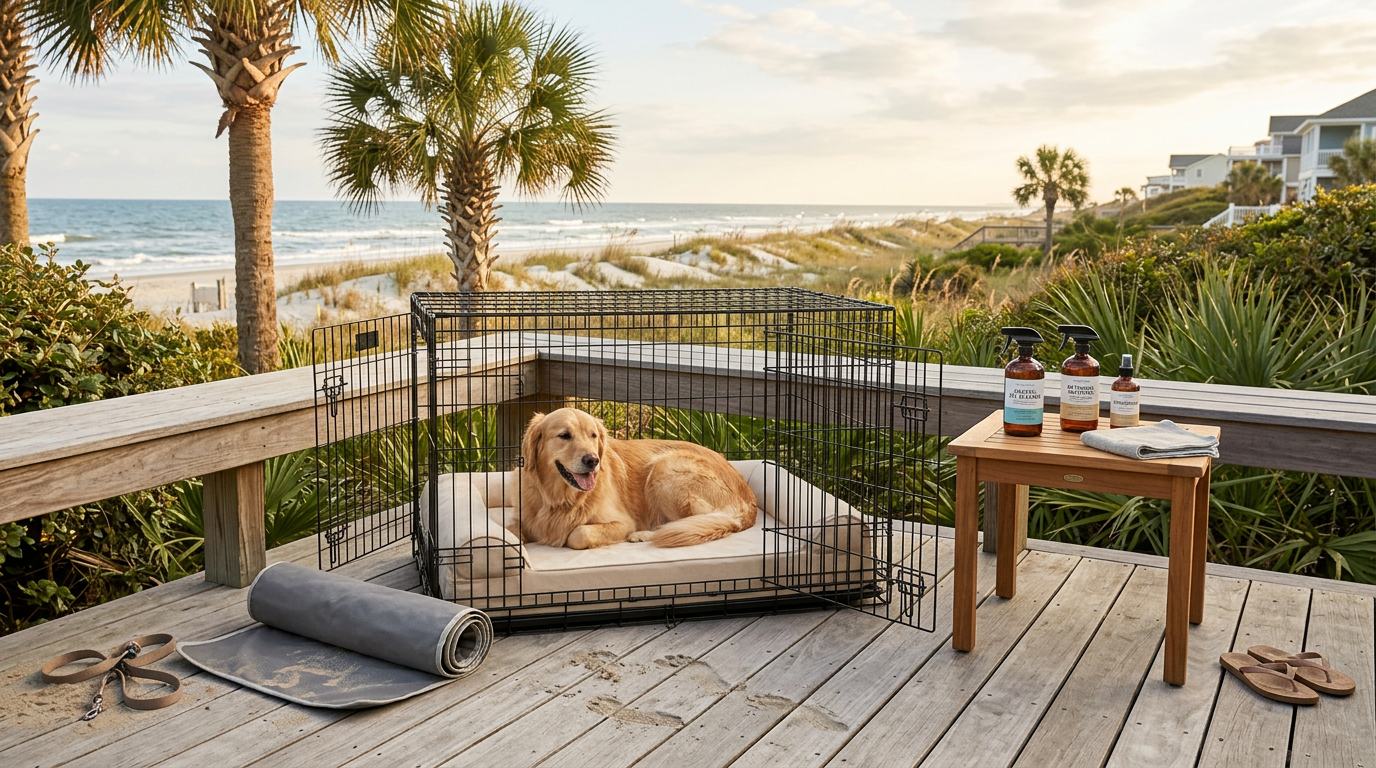
For families on the Grand Strand, our four-legged members share every part of our coastal lifestyle, from sandy mornings at the local dog beach to lazy afternoons on the porch. However, the high humidity, fine sand, and salt air of our coastal environment transform orthopedic pet beds, wire crates, and travel mats into major traps for moisture, yeast, and allergens. When pet dander and body oils mix with coastal humidity, they create persistent odors and attract microscopic pests that can affect both children and pets. This protocol provides Grand Strand families with a highly specific, non-toxic, and botanical-based decontamination workflow to restore these heavy-use pet zones safely.
The Chemistry of Coastal Pet Odors: Understanding Sebum, Salt-Air Humidity, and Yeast Colonization
Natural dog skin oils, known as sebum, protect their coats from damp Grand Strand ocean air. However, in our high-humidity environment, this sebum transfers to fabric pet bed covers and oxidizes quickly. This chemical oxidation binds with airborne salt particles, forming an adhesive, greasy film. This film acts like a magnet for beach dust, dander, and fine sand, locking persistent odors deep within the woven fabrics. Standard vacuums only slide over this greasy surface layer without removing the bound soils.
Underneath the cover, orthopedic memory foam beds are highly vulnerable to yeast and bacterial colonization. The micro-climate of a coastal home, with humidity levels often exceeding 60 percent, turns the dense polyurethane foam into a sponge for ambient moisture and pet sweat. Yeast species like Malassezia thrive in these dark, damp, and warm environments. Over time, these microorganisms digest the trapped skin cells and sebum, releasing volatile organic compounds that produce the classic, musty wet dog odor.
For households with young children, these contaminated pet beds present a silent allergy trigger. When a pet or a toddler sits or plays on a yeast-laden pet bed, the mechanical compression acts like a bellows. This compression forces microscopic dander, dried saliva proteins, and yeast spores directly into the home's breathing zone. For children with asthma or eczema, exposure to these airborne biological irritants can trigger respiratory flare-ups, sneezing fits, and skin rashes.
- Sticky, dark discoloration along fabric seams and zipper lines indicating oxidized sebum.
- A persistent, sour, corn-chip-like smell radiating from the bed even after washing the outer cover.
- An increase in child sneezing, eye-rubbing, or skin irritation near pet resting areas.
- A damp, heavy feel to the memory foam insert, indicating high moisture absorption.
The Sand-Flea and Parasite Factor: Why Coastal Pet Beds Demand Specialized Extraction and Sanitization
Grand Strand beaches, marshes, and parks are rich ecosystems where pets encounter sand fleas, hookworms, and environmental mites. When dogs play in the wet sand at Myrtle Beach or Murrells Inlet, these tiny parasites attach to their fur and paws. Once home, the pet seeks the comfort of their bed, shaking off and shedding these unwanted organisms directly into the fabric weaves. Without immediate and targeted intervention, these pests quickly establish a localized foothold right inside your living space.
Standard home cleaning routines often fail to address the life cycle of these pests. Shaking out a pet bed or doing a quick vacuuming only removes adult insects, leaving microscopic eggs and larvae untouched. These larvae crawl deep into the piping of zippered covers and the porous cracks of foam pads where they are protected from light and disturbance. The warmth of a coastal South Carolina home provides the perfect incubation climate, allowing a new generation of pests to hatch.
To protect your family, using chemical pesticide sprays on bedding is not a viable option. Toddlers and young children frequently crawl on the floor, hug pet beds, and put their hands in their mouths, making them highly vulnerable to dermal absorption of toxic synthetic pyrethroids. A safe, non-toxic extraction and sanitization protocol is essential to physically eliminate pest life stages while keeping the indoor environment completely safe for young family members.
- Microscopic pest eggs clinging to the rough piping and seams of outdoor-used dog mats.
- Silt-heavy sand deposits at the bottom of the pet bed cover that harbor organic debris.
- The risk of chemical pesticide transfer to crawling toddlers and infants playing on the floor.
- The rapid incubation of beach-acquired fleas in the warm, humid microclimate of a pet crate.
Fabric-Safe and Child-Safe Chemistry: Selecting Botanical Sanitizers and Enzymatic Cleaners
To safely clean sensitive family pet zones, we must replace harsh synthetic chemicals with botanical alternatives. Botanical sanitizers, particularly those formulated with thymol, derived from thyme oil, or citric acid, offer a powerful solution. These plant-derived active ingredients break down the cell walls of bacteria and fungi without leaving toxic residues. In fact, these botanicals carry the lowest toxicity rating from the EPA, meaning they require no hazardous warnings and are completely safe for children and pets.
Bio-enzymatic cleaners are another crucial component of a child-safe pet cleaning toolkit. These products use natural, non-pathogenic bacteria to produce enzymes that target specific organic substrates. Amylase breaks down starches, protease dissolves proteins found in saliva and urine, and lipase digests the stubborn lipids in skin sebum. By physically digesting these organic soils, enzymes eliminate the root cause of pet odors rather than temporarily masking them with strong, artificial fragrances that irritate child airways.
When washing fabrics, choose hypoallergenic, dye-free, and fragrance-free detergents. Traditional heavy-duty laundry detergents often contain optical brighteners, synthetic perfumes, and petroleum-derived surfactants that linger on fibers. When a wet dog or a sweaty toddler lies on these treated fabrics, their skin can absorb these residual chemicals, leading to contact dermatitis. Natural, plant-based detergents clean effectively while protecting the skin health of your entire family.
- Thymol-based botanical disinfectants for broad-spectrum sanitization without toxic residues.
- Multi-enzyme cleaners formulated with lipase and protease to digest sebum and saliva proteins.
- Fragrance-free, plant-based liquid laundry detergents that avoid skin-irritating optical brighteners.
- Distilled white vinegar as a natural rinse-agent to dissolve mineral salts and neutralize odors.
The Orthopedic Memory Foam Restoration Protocol: Safely Extracting Moisture, Salts, and Odors without Damaging the Substrate
Orthopedic pet beds rely on dense memory foam to support your dog's joints, but this material requires specialized handling. You should never submerge memory foam in water or put it in a household washing machine. Heavy saturation degrades the polyurethane cell walls, causing the foam to break down, tear, and lose its structural support. Additionally, thick foam takes days to dry completely, making it a prime target for internal mold colonization in our humid coastal climate.
To clean the foam insert, begin by removing the fabric cover and vacuuming the foam surface thoroughly using a HEPA vacuum with a clean upholstery attachment. This step draws out loose sand, dander, and dried skin cells trapped in the foam's surface pores. Next, lightly mist the foam with a bio-enzymatic spray, focusing on spots with visible stains or odors. Do not saturate the foam; a light, even mist is all that is required for the enzymes to start breaking down lipids.
Drying the foam quickly is critical to preventing mold growth. Avoid placing damp memory foam outside in the humid coastal air, as it will absorb more moisture than it evaporates. Instead, lay the foam flat on a clean, dry surface indoors in a room with a dehumidifier and a high-speed floor fan. This setup pulls moisture out of the foam quickly, drying it within a few hours and ensuring no fungal spores can germinate inside the core.
- Thorough HEPA-vacuuming of all foam surfaces to extract deep-seated sand and pet dander.
- Light misting with a child-safe bio-enzymatic spray to target localized stains and skin oils.
- Using clean microfiber towels to blot away excess surface moisture immediately after spot-cleaning.
- Indoor air-drying with a dehumidifier and high-speed fan to prevent mold growth in the foam core.
The Indoor Wire and Plastic Crate Decontamination Sequence: Removing Hair Felting, Saliva Slime, and Base-Tray Grime
Indoor dog crates, whether wire or plastic, accumulate a surprising amount of organic grime that poses risks to children. Dogs rub their wet noses and drool on the crate bars, leaving a layer of saliva slime that dries into a hard, clear coating. This coating traps shedding hair, dander, and fine sand, forming a stubborn, bacteria-rich crust. Because crates are often placed in family living areas, toddlers frequently touch these dirty bars, making thorough cleaning a health priority.
To clean the crate, start by removing all blankets, toys, and the slide-out plastic bottom tray. Take the tray outside or to a spacious shower and spray it with a warm, botanical soap solution. Let the solution sit for five to ten minutes to loosen the dried saliva and hair. For wire crates, spray the panels with a child-safe botanical disinfectant, ensuring you coat the joints and hinges where grime and pet hair tend to pack together.
Use a soft-bristled nylon brush to scrub the crate bars and the textured surface of the plastic tray, which lifts the dried grime easily. Pay close attention to the bottom corners of the tray where urine salts can build up and corrode the plastic. Once scrubbed, rinse the tray and bars thoroughly with clean water. Dry all surfaces completely with clean microfiber cloths before reassembling the crate to prevent rust on wire panels and mold under the tray.
- Spraying wire panels and hinges with a thymol-based botanical disinfectant to kill bacteria.
- Soaking and scrubbing the plastic bottom tray to remove dried saliva, urine salts, and sand.
- Using a nylon brush to clean tight corners and locking mechanisms where hair packs tightly.
- Thorough microfiber towel drying to prevent rust on metal components and moisture traps under the tray.
The Washable Travel Mat and Beach Towel Wash Protocol: Preventing Salt-Air Fiber Breakdown and High-Heat Odor Baking
Washable dog travel mats and beach towels are invaluable for coastal outings, but they present a unique laundry challenge. These items absorb large amounts of highly abrasive beach sand and corrosive salt water. If you throw these sandy mats directly into your home washing machine, the sand can settle in the machine's pump and drain lines, causing costly damage over time, while the salt air weakens the fabric fibers.
To prevent washing machine damage, always dry the mats completely first. Once dry, take the mats outside and shake them vigorously, or beat them against an outdoor railing to release the packed sand. Follow this by vacuuming both sides of the dry mat with a HEPA vacuum to pull out any remaining fine silt. This pre-wash step protects your washing machine's drum and ensures a much deeper clean during the wash cycle.
Wash the mats in warm water on a gentle cycle using a plant-based, fragrance-free detergent. Add one cup of distilled white vinegar to the fabric softener dispenser; the mild acid in vinegar helps dissolve stubborn salt crystals and mineral buildup while neutralizing musty odors. Dry the mats on a low-temperature setting. High-heat drying can bake any remaining pet skin oils into the fibers, permanently setting odors and degrading rubber non-slip backings.
- Thorough outdoor shaking and vacuuming of dry mats to remove abrasive beach sand before washing.
- Washing in warm water with fragrance-free detergent to protect pet skin from chemical residues.
- Adding a cup of distilled white vinegar to the rinse cycle to break down salt crust and eliminate odors.
- Low-temperature tumble drying to protect non-slip backings and prevent setting residual oils.
Allergy-Friendly Weekly Routines: Maintaining a Low-Allergen, Sand-Free Pet Zone in a Busy Grand Strand Home
Keeping a busy Grand Strand home clean, fresh, and allergy-friendly requires a consistent, proactive maintenance routine. Dedicate five minutes each day to vacuuming the floor space around your pet's bed and crate with a HEPA-filter vacuum. This quick step prevents shedding hair and fine sand from being tracked throughout the house, keeping high-traffic family zones cleaner and reducing airborne allergens that can affect sensitive children.
Managing indoor humidity and air quality is a key part of this routine. Place a compact HEPA air purifier near your pet's main resting area to continuously capture airborne dander and yeast spores. Keep your home's relative humidity below 50 percent using your central air conditioning or a dehumidifier. This lower humidity range slows the growth of mold and dust mites, making fabric pet beds much less hospitable to allergens.
Make laundry day simple by maintaining double sets of washable covers for all your pet beds. Having a clean spare cover on hand allows you to swap out the dirty one instantly, keeping your home fresh without waiting for the laundry cycle to finish. Wash pet bedding once a week on a set schedule, ensuring your pet always has a clean, dry, and healthy place to sleep while keeping family allergen levels low.
- Daily five-minute HEPA-vacuuming of a ten-foot zone around pet crates and bedding.
- Operating a HEPA air purifier near the pet zone to catch airborne dander and yeast spores.
- Keeping indoor humidity below 50 percent to prevent mold and dust mite growth in fabrics.
- Rotating double sets of washable bed covers weekly to simplify your cleaning routine.
Professional Deep Extraction and Decontamination Services: When to Call A2Z Cleaning & Linen Services
While regular home maintenance is highly effective, there are times when Grand Strand pet beds, carpets, and upholstery require deep professional care. Over months of coastal use, deep-seated sand, stubborn skin sebum, and persistent odors can become deeply embedded in home fabrics. When retail vacuums and spot cleaners can no longer lift these deep soils, calling a professional service is the best way to restore a healthy home environment.
At A2Z Cleaning & Linen Services, we understand the unique cleaning challenges faced by Grand Strand families. Our expert teams are trained in specialized extraction techniques that remove deep sand, dander, and odors from your home's high-traffic areas. We use high-performance, non-toxic, and child-safe botanical cleaning solutions that thoroughly sanitize your indoor spaces, leaving your carpets, upholstery, and pet zones clean, fresh, and completely safe for your children.
Partnering with A2Z Cleaning & Linen Services gives busy families peace of mind and more time to enjoy life on the coast. Whether you need a seasonal deep clean, carpet restoration, or routine help keeping up with a busy pet-loving household, our family-owned company is here to help. Contact us at 843.800.2788 to schedule your next service and experience the difference of a truly clean, healthy home.
- Industrial-grade hot water extraction that lifts deep-seated beach sand and pet dander.
- Eco-friendly, child-safe, and pet-safe botanical sanitizing solutions for a healthier home.
- Expert removal of stubborn sebum-saturated pet odors and allergens from household fabrics.
- Warm, professional service from a trusted, family-owned Grand Strand cleaning company.
Key takeaway
By implementing a consistent, botanical-based decontamination protocol for your pet's gear, you can protect your children from allergens and eliminate stubborn coastal odors. Keeping your pet beds, crates, and mats free from humid moisture, sand, and dander ensures a healthier, happier environment for the entire family.
Keep Reading

Coastal Living
The Coastal Family Pet Feeding Station, Elevated Bowls, and Automatic Food Dispenser Decontamination Protocol: Mitigating Humid Kibble-Oil Rancidity, Saliva-Slime Biofilm, and Child-Safe Botanical Sanitization in Grand Strand Homes
ReadCoastal Living
The Coastal Family Screened Porch, Pet Door Flap, and Indoor-Outdoor Transition Rug Decontamination Protocol: Mitigating Humid Pollen-Pet Sebum Binding, Sand-Silt Wear, and Child-Safe Botanical Care in Grand Strand Homes
ReadCoastal Living
The Coastal Family Bath and Pet-Wash Station Decontamination Protocol: Mitigating Humid Mildew, Sand-Clay Cling, Pet-Wash Hair Clogs, and Child-Safe Disinfection in Grand Strand Homes
ReadReady for a spotless property?
Call 843.800.2788 or request a free quote from A2Z Cleaning & Linen Services.