Coastal Living
The Coastal Family Pet Feeding Station, Elevated Bowls, and Automatic Food Dispenser Decontamination Protocol: Mitigating Humid Kibble-Oil Rancidity, Saliva-Slime Biofilm, and Child-Safe Botanical Sanitization in Grand Strand Homes
Keep your home healthy and odor-free with our step-by-step guide to sanitizing pet feeding stations in humid coastal climates, using safe, child-friendly methods.
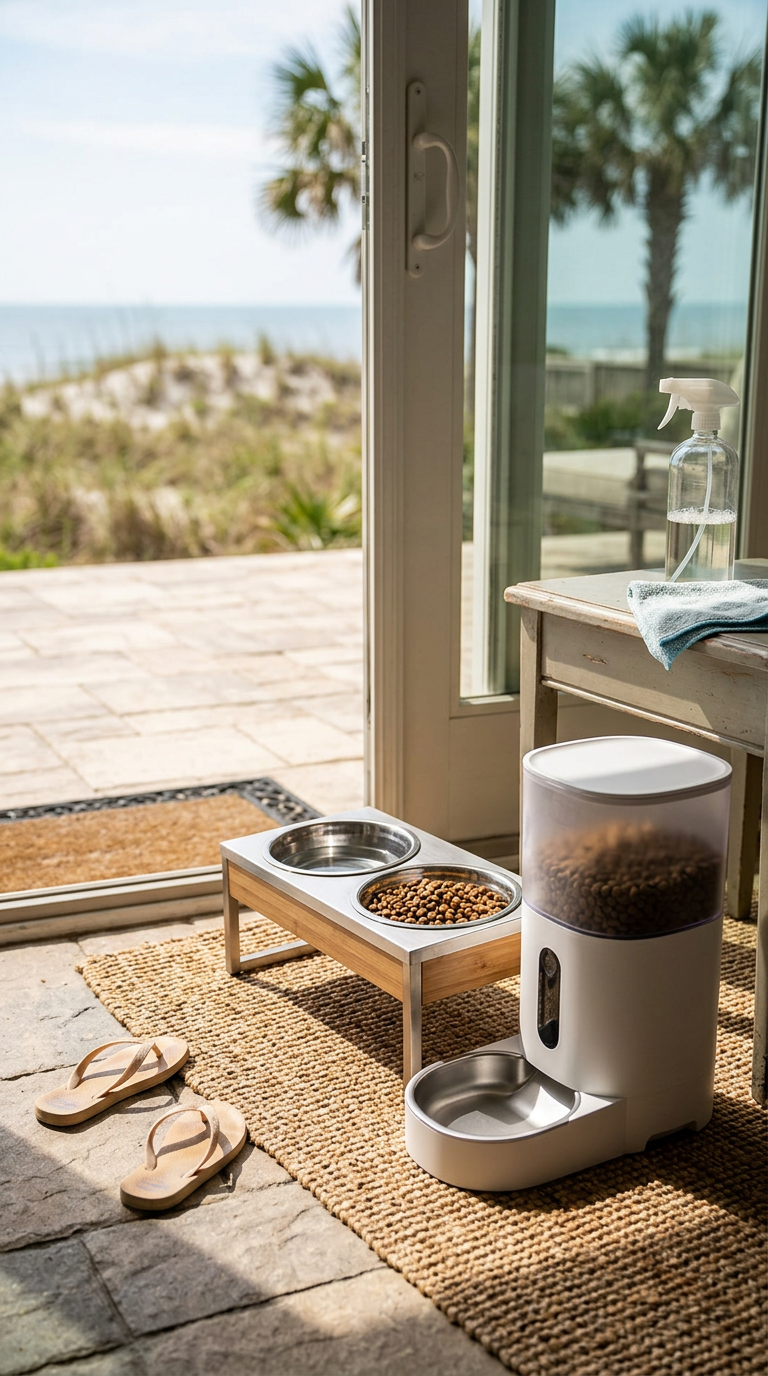
In the warm, high-humidity environment of Myrtle Beach and the Grand Strand, the family pet feeding station can quickly transform from a convenient dining spot into a biological breeding ground. The combination of rich kibble lipids, wet pet saliva, and airborne coastal moisture creates a perfect storm for rapid bacterial colonization, mold growth, and rancid odors. For busy households with crawling toddlers, curious children, and allergy-sensitive family members, maintaining a sterile yet chemically safe pet zone is a constant challenge. This comprehensive protocol outlines how to neutralize these hidden household vectors using child-safe botanical methods that protect your family and your pets.
The Unique Biological Challenges of Coastal Pet Feeding Zones
Grand Strand homes experience sustained high relative humidity throughout the year, which directly accelerates the deterioration of organic matter. When dry pet food is exposed to this moisture-laden air, the protective fats and oils sprayed onto the kibble during manufacturing begin to oxidize. This process, known as lipid rancidity, does not just ruin the flavor of the food; it releases volatile organic compounds that emit a stale, sour smell and attract a host of unwanted pests.
Furthermore, pets drop minute food particles and dribble water around their bowls during feeding. In drier climates, these spills might simply dehydrate and harden, but in our coastal environment, they remain damp. This persistent moisture acts as an incubator for mold spores and environmental yeasts, which quickly colonize the feeding area, baseboards, and nearby floor transitions, contributing to poor indoor air quality and triggering seasonal allergies.
The presence of crawling infants and toddlers adds an urgent layer of safety concerns to this equation. Young children frequently explore their environment on hands and knees, making them highly susceptible to touching contaminated pet bowls, floor mats, and spilled kibble. Without a rigorous, non-toxic sanitization routine, children are at risk of encountering pathogenic bacteria like Salmonella or E. coli, which can thrive in neglected pet feeding zones.
The Science of Saliva-Slime Biofilm and Kibble-Oil Rancidity
Every time a pet drinks or eats, oral bacteria, proteins, and cellular debris are transferred into the bowl. Over several hours, these elements coalesce to form a slippery, defensive layer known as a biofilm. This biological matrix protects the underlying bacteria from simple water rinsing, allowing microbes to multiply rapidly under the influence of coastal warmth. If the surface of the bowl feels slimy to the touch, a mature biofilm has already established itself.
Kibble lipids pose a different chemical challenge. These hydrophobic oils do not dissolve in plain water and quickly coat the interior of plastic, ceramic, or metal bowls with a thin, sticky film. Over time, this oily layer attracts airborne dust, pet dander, and fine beach sand, forming a stubborn, dark residue. When these lipids oxidize, they create a distinct rancid odor that can permeate the kitchen or laundry room.
The choice of bowl material plays a critical role in how easily these biofilms and oils are neutralized. Plastic bowls are highly susceptible to micro-scratching from pet teeth, nails, and abrasive cleaning sponges. These tiny crevices provide a protected haven where bacteria and rancid oils can escape standard washing. Non-porous materials like high-grade stainless steel or heavy, lead-free ceramic are far superior for coastal homes as they resist scratching and tolerate thermal disinfection.
Child-Safe Botanical Chemistry vs. Harsh Synthetic Cleaners
When sanitizing areas shared by children and pets, the use of harsh synthetic chemicals like chlorine bleach, ammonia, or quaternary ammonium compounds presents significant risks. These substances leave toxic chemical residues that can be transferred to a toddler’s fingers or a pet's tongue. Furthermore, synthetic fragrances frequently used in commercial cleaners can irritate the sensitive respiratory systems of both children and domestic animals.
Instead, Grand Strand families should rely on food-safe, botanical chemistry. White distilled vinegar, which contains approximately five percent acetic acid, is an exceptional natural descaler and deodorizer that effectively breaks down alkaline saliva biofilms. Food-grade citric acid powder dissolved in warm water provides a powerful, odorless alternative that cuts through mineral scale and greasy kibble residues without leaving harmful residues.
For sanitizing surfaces that do not come into direct contact with pet food, a seventy percent isopropyl alcohol solution offers rapid, residue-free microbial reduction. It evaporates completely within seconds, leaving no chemical trace for children or pets to ingest. For general washing, plant-derived, unscented castile soap provides excellent lipid emulsification, allowing oils to be rinsed cleanly down the drain.
The Step-by-Step Decontamination Protocol for Elevated Pet Bowls and Stands
Elevated pet feeding stands made of wood, wrought iron, or acrylic are highly functional, but they feature numerous joints, gaps, and undersides where moisture and food splatters accumulate unseen. To begin the decontamination process, remove the stainless steel or ceramic bowls from the stand. Inspect the recessed rims of the stand where the bowls sit, as this is a primary collection point for stagnant water and mold.
Wash the bowls in a dual-phase process. First, scrub them thoroughly with hot water and an unscented, plant-derived dish soap using a non-scratch scrub pad reserved exclusively for pet items. Once the physical debris and oily film are removed, submerge the bowls in a sanitizing bath of hot water mixed with food-grade citric acid (two tablespoons per gallon) for ten minutes, then rinse with clean water and air-dry.
For the feeding stand itself, spray all surfaces with a one-to-one solution of white distilled vinegar and warm water. Pay close attention to the underside of the stand and the leg joints. Use a soft-bristled utility brush to agitate any hardened food particles. Wipe the stand completely dry with a clean microfiber cloth to prevent wood rot or metal oxidation, both of which are accelerated by our humid coastal air.
- Always separate pet dish cleaning sponges from your family's daily dishwashing tools to prevent cross-contamination.
- Ensure wooden stands are sealed with a food-safe, water-resistant varnish to prevent moisture absorption.
- Inspect the rubber feet or non-slip gaskets on the bottom of the stand, as these frequently trap damp sand and hair.
- Perform this full stand decontamination at least twice weekly to interrupt the biofilm formation cycle.
Deep Cleaning Automatic Feeders and Water Fountains
Automatic food dispensers and recirculating water fountains are excellent for busy families, but their internal mechanisms are highly vulnerable to coastal humidity. In automatic dry feeders, the large storage hopper holds several weeks' worth of food. The fine kibble dust coats the plastic walls and, when combined with humid air, creates a sticky paste that turns rancid and attracts flour beetles, weevils, and sugar ants.
Recirculating water fountains rely on small electric pumps to keep water moving. Algae, mineral scale, and pink yeast (Rhodotorula mucilaginosa) easily colonize the pump's impeller, intake grates, and internal silicone tubing. If left unchecked, the pump will continuously recirculate these allergens into your pet's drinking water, presenting a health hazard to your pet and emitting musty odors into your home.
To clean these complex devices, completely disassemble all components according to the manufacturer's instructions. Empty the dry food hopper, wash it with warm castile soap water, and allow it to dry completely in the sun, which provides natural UV sanitization. For water fountains, soak the disassembled pump parts in a solution of warm water and citric acid to dissolve mineral scale, then use a small bottle brush to scrub the narrow internal channels.
- Replace charcoal and foam filters in water fountains every two weeks to prevent organic matter buildup.
- Avoid running plastic automatic feeder components through high-heat dishwasher cycles, as this can warp the seals.
- Verify that all electrical cords are completely dry and free of salt-air corrosion before reassembling the unit.
- Clean the dispensing chute of automatic dry feeders weekly to prevent oil buildup from blocking the mechanism.
Mitigating the Silt-Sand-Hair Conundrum Around the Food Mat
The floor mat beneath your pet's feeding station serves as the first line of defense for your flooring, but it also traps a mixture of loose pet hair, beach sand, and spilled water. In the Grand Strand's humid climate, this mixture quickly solidifies into a crusty, cement-like slurry that binds to the mat's texture, making it difficult to clean with a standard vacuum.
For silicone mats, shake off loose sand outside, then wash the mat in the utility sink with hot water and castile soap. Use a stiff-bristled brush to release dried food and sand grit from any molded ridges. Rinse the mat thoroughly and spray it with a seventy percent isopropyl alcohol solution to sanitize the surface, allowing it to air-dry completely before replacing the feeding stand.
If you use a woven or fabric-backed mat, vacuum it daily using a high-efficiency particulate air (HEPA) vacuum to capture fine dander and sand before it becomes wet. If a spill occurs, blot the area immediately with a clean towel and treat the spot with an unscented botanical enzyme cleaner. This breaks down the organic proteins without leaving synthetic chemical residues that could irritate your pet’s paws or your children’s skin.
Integrated Pest Management: Preventing Coastal Ants and Pests
The warm climate of Myrtle Beach supports active populations of native pests, including tiny sugar ants and large palmetto bugs, both of which are drawn to the scent of pet food. Traditional pest control sprays contain synthetic chemicals that should never be applied near pet food or areas where children play. Instead, physical barriers and botanical deterrents provide a safer, highly effective alternative.
One of the most effective ways to protect an elevated feeding stand is to create a physical water barrier, or moat. Place the legs of the feeding stand inside shallow, wide plastic coasters filled with a thin layer of water mixed with a drop of liquid castile soap. The soap breaks the surface tension of the water, preventing ants from swimming across to reach the food stand.
Additionally, maintain a clean perimeter around the feeding station by wiping down nearby baseboards and wall surfaces with a solution of white vinegar infused with a few drops of organic peppermint essential oil. Pests detest the strong natural scent of peppermint, while it remains safe and pleasant for the household when used in dilution. Always store bulk pet food in airtight, BPA-free plastic containers with rubber gasket seals rather than the original paper bags.
Establishing a Sustainable Family Cleaning Routine
Keeping a busy Grand Strand home clean and healthy requires a structured, manageable routine rather than occasional deep cleans. By integrating small, daily habits into your schedule, you can prevent biofilms and rancid oils from ever establishing a foothold, ensuring a safer environment for your children and pets alike.
Every evening, empty any uneaten wet food, rinse the bowls with hot water, and dry them. Once a week, execute the full decontamination protocol, including washing the bowls, wiping down the stand, cleaning the food mat, and sanitizing the surrounding floor area. Monthly, completely disassemble and deep-clean automatic feeders, water fountains, and bulk storage containers.
For busy homeowners, property managers, and families returning from a long day at the beach, keeping up with these rigorous cleaning standards can be overwhelming. Partnering with a professional cleaning service that understands the unique environmental demands of the Grand Strand ensures your home remains a healthy sanctuary. Contact A2Z Cleaning & Linen Services at 843.800.2788 to learn how our expert teams can support your family's home maintenance needs.
- Wipe up water spills immediately to prevent moisture from seeping under luxury vinyl plank or hardwood flooring.
- Keep a spray bottle of child-safe vinegar solution handy near the pet station for quick daily touch-ups.
- Rotate between two sets of pet bowls so one set is always clean and ready for use while the other is being washed.
- Teach older children safe pet-care habits by involving them in the daily rinsing and drying of the water bowls.
Key takeaway
Managing a pet feeding station in a humid coastal environment requires a deliberate, non-toxic approach to neutralize biofilms, rancid lipids, and pests. By utilizing botanical chemistry and maintaining a structured cleaning routine, Grand Strand families can protect their children and pets from harmful microbes. For expert assistance in keeping your coastal home pristine and healthy, call A2Z Cleaning & Linen Services at 843.800.2788.
Keep Reading

Coastal Living
The Coastal Family Bath and Pet-Wash Station Decontamination Protocol: Mitigating Humid Mildew, Sand-Clay Cling, Pet-Wash Hair Clogs, and Child-Safe Disinfection in Grand Strand Homes
ReadCoastal Living
The Coastal Family Car Seat and Beach Stroller Decontamination Protocol: Mitigating Sand-Silt Wear, Spilled Organic Biofilms, and Salt-Air Mildew in Grand Strand Homes
ReadCoastal Living
The Coastal Family Screened Porch, Pet Door Flap, and Indoor-Outdoor Transition Rug Decontamination Protocol: Mitigating Humid Pollen-Pet Sebum Binding, Sand-Silt Wear, and Child-Safe Botanical Care in Grand Strand Homes
ReadReady for a spotless property?
Call 843.800.2788 or request a free quote from A2Z Cleaning & Linen Services.