Coastal Living
The Coastal Family Stroller, Car Seat, and Pet Travel Carrier Decontamination Protocol: Mitigating Humid Sand-Grit, Milk-Spill Yeast, and Pet Sebum Odors in Grand Strand Homes
A professional-grade guide for Grand Strand families to safely extract sand-grit, eliminate pet odors, and sanitize mobile baby and pet travel gear using non-toxic, child-safe protocols.
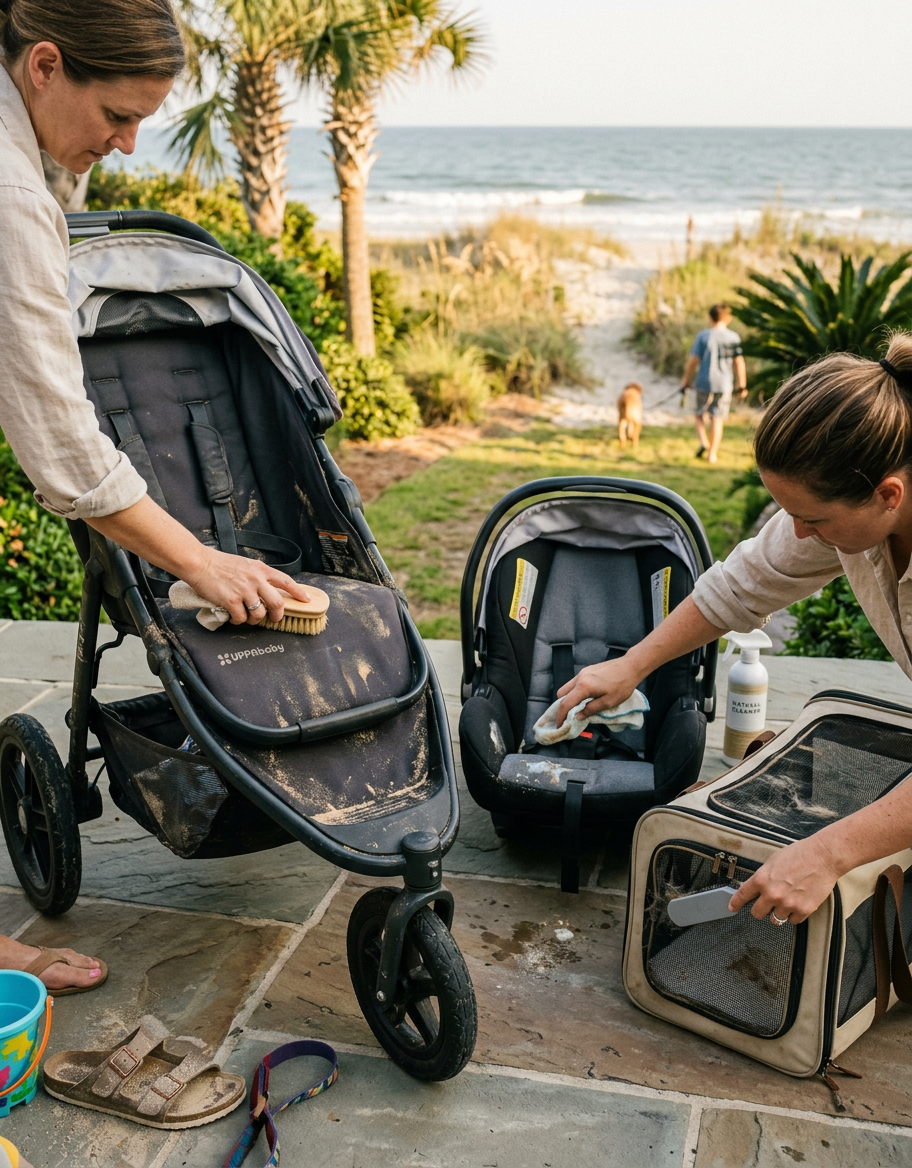
Myrtle Beach families live on the move, transitioning constantly from the sandy shores of Cherry Grove to the humid outdoor walkways of Broadway at the Beach. During these active coastal transitions, strollers, infant car seats, and pet travel carriers become primary collection zones for fine sand-grit, spilled milk, and heavy pet sebum. When parked in humid Grand Strand mudrooms, entryways, or vehicle trunks, this organic slurry quickly ferments into a breeding ground for mold, yeast, and stubborn allergens. This professional protocol outlines the exact safe, non-toxic methodologies required to extract abrasive sand-grit, eradicate sour odors, and sanitize your family's essential mobility gear without compromising structural safety.
The Anatomy of Coastal Family Travel Gear Contamination
Strollers, infant car seats, and pet carriers are uniquely vulnerable to the harsh, damp microclimates of the Grand Strand. Unlike static home furniture, these mobile assets are exposed to high outdoor humidity, salt-laden coastal winds, and direct tracking of fine, silica-rich beach sand. As children climb in and out with damp swimsuits or sticky fingers, they transfer moisture and organic sugars directly onto the woven polyester and nylon fibers. This creates a tacky substrate that captures airborne pet dander, pollen, and blowing sand.
Beneath the surface of stroller baskets and car seat inserts, a hidden compaction zone forms over time. Every walk along the Myrtle Beach Boardwalk kicks up microscopic debris that settles into the tight crevices of plastic frames and under-seat storage areas. Pet hair, static-charged by friction, wraps around wheel axles and deep harness pathways. Without regular extraction, this accumulation acts like abrasive sandpaper, wearing down fabric seams and compromising mechanical components like buckle springs and folding mechanisms.
The situation worsens when these items are stored in dark, unconditioned spaces like Grand Strand garages, car trunks, or covered porches. High relative humidity triggers the rapid germination of dormant mold spores caught in the fabric weave. Within forty-eight hours, a seemingly clean stroller can develop a musty, sour odor as microbial colonies feast on microscopic food spills, pet saliva, and skin oils locked within the synthetic materials.
- Identify critical collection zones including buckle wells, canopy folds, and under-seat baskets.
- Understand how coastal relative humidity accelerates yeast and mold growth on fabric surfaces.
- Recognize the mechanical damage caused by sand-grit friction inside stroller wheel bearings.
- Note how static electricity bonds pet dander and hair to synthetic performance fabrics.
The Chemistry of Sand-Grit and Organic Fluid Binding
Cleaning family travel gear in a coastal environment requires an understanding of how sand-grit and organic fluids interact under heat and humidity. Milk, juice, and pureed baby food are emulsion-based liquids carrying proteins, fats, and sugars. When spilled onto car seat straps, these liquids do not simply dry. They bond with the salt air and fine sand-grit, creating a dense, cement-like residue that resists standard vacuuming and light surface wiping.
This organic-mineral paste hardens quickly in the sun-baked interiors of vehicles parked at North Myrtle Beach public access lots. The extreme heat cross-links the proteins from milk and pet saliva, baking them deep into the synthetic fiber matrix of the webbing. Standard household cleaners often contain synthetic fragrances and harsh surfactants that merely coat these residues, trapping the odor-causing bacteria beneath a superficial chemical layer while potentially irritating sensitive young skin.
To break this bond safely, we must employ pH-neutral, botanical enzyme formulas that target organic proteins and lipids without degrading the fire-retardant treatments applied to car seat fabrics. These enzymes break down the complex organic chains into water-soluble components, allowing the bound sand-grit to release naturally from the weave. This process ensures that the structural integrity of the safety webbing is maintained while achieving complete decontamination.
- Avoid heavy chemical detergents that can degrade the flame-retardant properties of infant car seat fabrics.
- Utilize targeted botanical enzymes to dissolve baked-on milk proteins and pet saliva.
- Understand the cross-linking effect of high heat on vehicle-bound organic spills.
- Protect children and pets from synthetic fragrance residues that trigger respiratory sensitivities.
Phase-One Disassembly and Dry Debris Extraction
Before any liquid cleaning agent touches the gear, a thorough dry extraction phase must be executed. Working in a well-ventilated space, begin by taking high-resolution reference photographs of the car seat or stroller harness routing. This ensures safe reassembly later. Carefully remove all detachable cup holders, snack trays, toy bars, and comfort pads, placing them in a designated staging area for individual treatment.
Next, use a high-filtration HEPA vacuum equipped with a narrow crevice tool and a stiff-bristled utility brush. Agitate the fabric seams, piping, and deep recessed cavities to dislodge packed beach sand and embedded pet hair. Work systematically from the top of the seat down to the base, applying firm pressure to release static-bound dander. For stubborn pet hair embedded in woven knit fabrics, use a rubberized pet hair brush in short, directional sweeps.
Turn the stroller or car seat shell upside down over a clean drop cloth and tap the plastic frame firmly. This mechanical agitation releases hidden sand-grit trapped within the internal honeycomb plastic structures and buckle cavities. Vacuum the dislodged debris from the drop cloth immediately to prevent re-contamination of the workspace. This dry step is critical, as wetting sand before extraction creates a heavy mud slurry that is twice as difficult to remove.
- Take detailed reference photos of all harness paths and belt routings before disassembly.
- Use a HEPA-filter vacuum to capture fine allergens, dander, and coastal pollen.
- Employ rubberized scraping tools to lift static-bound pet hair from tight weave fabrics.
- Keep the gear completely dry during initial extraction to prevent sand-grit from turning into mud.
Washable Textile Decontamination and Low-Heat Drying
Once dry-extracted, remove the fabric covers according to the manufacturer's instructions. Examine the care labels carefully, as many high-end strollers and car seats prohibit machine washing or the use of heavy spin cycles. For machine-washable covers, select a gentle cycle with cold water and a dye-free, fragrance-free baby detergent. Add a half-cup of distilled white vinegar to the rinse cycle to naturally soften the fibers and eliminate lingering pet sebum odors.
For hand-wash-only covers, submerge the textiles in a basin of cool water mixed with a mild, plant-derived soap. Gently knead the fabric, paying special attention to areas around the thigh and shoulder straps where sweat, sunscreen, and skin oils accumulate. Avoid aggressive scrubbing or wringing, which can distort the foam backing or delaminate the synthetic fabric layers, leading to structural sagging and a poor fit upon reassembly.
Drying must be handled with extreme care in the humid Grand Strand climate. Never place car seat covers or stroller linings in a commercial high-heat dryer, as this can melt the synthetic fibers, shrink the cover, or destroy the underlying foam safety padding. Instead, roll the clean covers in dry towels to extract excess moisture, then lay them flat on a drying rack in a well-ventilated, air-conditioned space. Ensure the textile is entirely dry before reassembly to prevent mold.
- Always verify manufacturer guidelines regarding machine washing and spin speeds.
- Use distilled white vinegar in the rinse cycle to neutralize stubborn pet and sweat odors.
- Avoid high-heat drying to protect foam backing and prevent fabric shrinkage.
- Ensure complete textile dryness to halt post-cleaning mold germination in humid coastal air.
Non-Removable Harness and Buckle Sanitation
The safety harness straps of car seats and strollers require a specialized approach because they cannot be submerged in water or treated with harsh detergents. These straps are made of high-tensile, woven polyester webbing that relies on precise fiber strength to protect your child. Soaking these straps or using acidic, alkaline, or bleach-based cleaners can degrade the fibers, significantly reducing their strength and compromising safety during an impact.
To clean the harness webbing, prepare a mild solution of warm water and a few drops of hypoallergenic baby dish soap. Dip a clean microfiber cloth into the solution, wring it out until it is barely damp, and gently wipe down the straps. Use a soft-bristled toothbrush dipped in the same damp solution to gently lift spot stains, pet saliva, or dried food from the weave, working parallel to the direction of the fibers.
The buckle mechanism itself is a primary target for spilled drinks and sand-grit, which can cause the latching mechanism to stick or fail. To clear the buckle, rinse it under a stream of warm tap water, letting the water run through the slot. Click the metal tongues in and out repeatedly to verify a clean, crisp latching sound. Do not use lubricants, oils, or soaps inside the buckle cavity, as these will attract sand and dust.
- Clean safety harness straps with a damp microfiber cloth only, avoiding soaking or submersion.
- Use a soft toothbrush to gently clean along the grain of the webbing fibers.
- Rinse the metal buckle mechanism under warm running water to flush out grit without using soaps.
- Avoid all petroleum-based lubricants or heavy chemical sprays inside buckle components.
Pet Carrier and Crate Deep Disinfection
Pet travel carriers, whether hard-sided plastic or soft-sided ballistic nylon, accumulate concentrated biological loads. Pet sebum, sweat, urine-salt residues, and dander settle deep into the seams and ventilation grates during trips to the vet or beach excursions in Surfside. Hard plastic carriers should be disassembled and washed with warm, soapy water, followed by a pet-safe botanical disinfectant that targets parvovirus, kennel cough, and common feline pathogens.
Soft-sided carriers require a more delicate touch. Vacuum the interior thoroughly, paying close attention to the fleece or foam comfort pad, which is often a major reservoir for pet dander and flea eggs. If the comfort pad cover is removable, wash it in hot water with an allergen-reducing detergent. For the carrier shell, spot-treat dirty spots with a natural enzymatic cleaner to neutralize pet odors at the molecular level, preventing pets from re-marking the area.
Pay close attention to the ventilation mesh and metal zipper tracks. Use a small utility brush to clear sand-grit from the zipper teeth, then apply a tiny drop of food-grade silicone lubricant if the zipper sticks. Ensure the entire carrier is dried in a well-ventilated area with plenty of air movement. This thorough process ensures that your pet's transport environment remains hygienic and free from the musty smell that often develops in coastal storage.
- Clean hard plastic carriers with warm soapy water and pet-safe, non-toxic disinfectants.
- Deep-clean soft-sided carrier seams where flea eggs, dander, and sebum collect.
- Apply botanical enzyme treatments to break down pet urine salts and stubborn odors.
- Clear abrasive sand-grit from metal zipper tracks to prevent jamming and rust in salt-damp air.
Botanical Odor Neutralization and Allergen Barrier Management
Once all physical debris and organic residues have been removed from your travel gear, odor neutralization becomes the primary focus. Standard commercial deodorizers rely on heavy synthetic perfumes that simply mask smells while introducing volatile organic compounds (VOCs) into your child's breathing zone. For a safe, coastal-appropriate alternative, utilize botanical deodorizers derived from thyme, oregano, or citrus seed extracts.
These botanical agents work by breaking down the cell walls of odor-causing bacteria and neutralizing volatile fatty acids left behind by pet sebum and sour milk. Lightly mist the clean, dry fabrics with a child-safe, pet-safe sanitizing spray. Allow the spray to air-dry completely in a climate-controlled room. This step leaves a clean, allergen-unfriendly environment without leaving behind sticky residues that could attract new sand-grit.
To manage allergies proactively, consider treating the dry fabrics with an allergen barrier spray designed to neutralize dust mite matter and pet dander. These solutions utilize plant-derived compounds that encapsulate airborne allergens, making them easier to vacuum away during your next routine clean. This layer of defense is particularly beneficial for children with asthma or seasonal allergies aggravated by the high pollen counts and mold spores of the Grand Strand.
- Select botanical, plant-derived deodorizers instead of synthetic chemical sprays.
- Neutralize odor-causing bacteria at the molecular level with thyme- or citrus-based formulas.
- Apply natural allergen-neutralizing sprays to capture dust mite and dander proteins.
- Avoid leaving any sticky residues that could attract beach sand and environmental dust.
Proactive Maintenance Routines for Active Grand Strand Families
Maintaining pristine, allergen-free travel gear in a busy Grand Strand home requires a consistent, proactive routine. After any trip to the beach or a walk through local parks, establish a quick "shake-out" protocol. Dedicate a spot in your entryway or mudroom to wipe down stroller wheels with a damp microfiber cloth and brush away loose sand before the gear is brought deeper into your clean living spaces.
Keep a small "travel-clean" kit in your vehicle's glove compartment or trunk. This kit should include a stiff brush for dry sand removal, a pack of fragrance-free baby wipes for immediate spill cleanup, and a small spray bottle of pH-neutral botanical cleaner. Addressing a spilled juice box or a pet accident within minutes prevents the liquid from setting into the fabric fibers and cross-linking under the intense Carolina sun.
Finally, schedule a deep decontamination twice a year, ideally at the start of the busy spring season and again in the late autumn. This bi-annual deep clean ensures that hidden sand-grit, salt residue, and accumulated allergens are thoroughly extracted, preserving the lifespan of your expensive gear and protecting your family's health. For busy households, partnering with a professional cleaning service provides peace of mind.
- Implement a quick wipe-down routine immediately after visiting sandy beach areas.
- Store a compact spot-cleaning kit in your vehicle for immediate spill response.
- Schedule comprehensive deep cleanings twice a year to prolong gear lifespan and eliminate allergens.
- Protect your home's indoor air quality by keeping mobile contamination vectors clean.
Key takeaway
By implementing a systematic decontamination protocol for strollers, car seats, and pet carriers, Grand Strand families can halt the spread of abrasive sand-grit, yeast, and pet allergens inside their homes. Protecting your children and pets from harsh chemical residues while ensuring mechanical safety is paramount in our humid coastal environment. For assistance with home deep cleans or professional textile maintenance, contact A2Z Cleaning & Linen Services at 843.800.2788.
Keep Reading

Coastal Living
Sanitizing Coastal Soft Surfaces: Child-Safe Pet Bed, Toy, and Play Area Maintenance in High-Humidity Myrtle Beach Homes
ReadCoastal Living
The Multi-Species Coastal Living Room: Child-Safe, Pet-Friendly Protocols for Managing Sand, Dander, and Humidity in Grand Strand Homes
ReadCoastal Living
The Coastal Louvered Door and Airflow Closet Decontamination Protocol: Mitigating Damp Dust Slats, Mold Spores, and Eco-Friendly Airway Protection in Grand Strand Homes
ReadReady for a spotless property?
Call 843.800.2788 or request a free quote from A2Z Cleaning & Linen Services.