Coastal Living
The Coastal Family Washable Sofa Slipcover and Accent Cushion Decontamination Protocol: Mitigating Humid Sand-Grit Infusion, Pet Sebum Odors, and Child-Safe Botanical Care in Grand Strand Homes
A deep dive into preserving and sanitizing coastal slipcovered furniture, managing sand, pet sebum, and kid-friendly stain removal in the Grand Strand humidity.
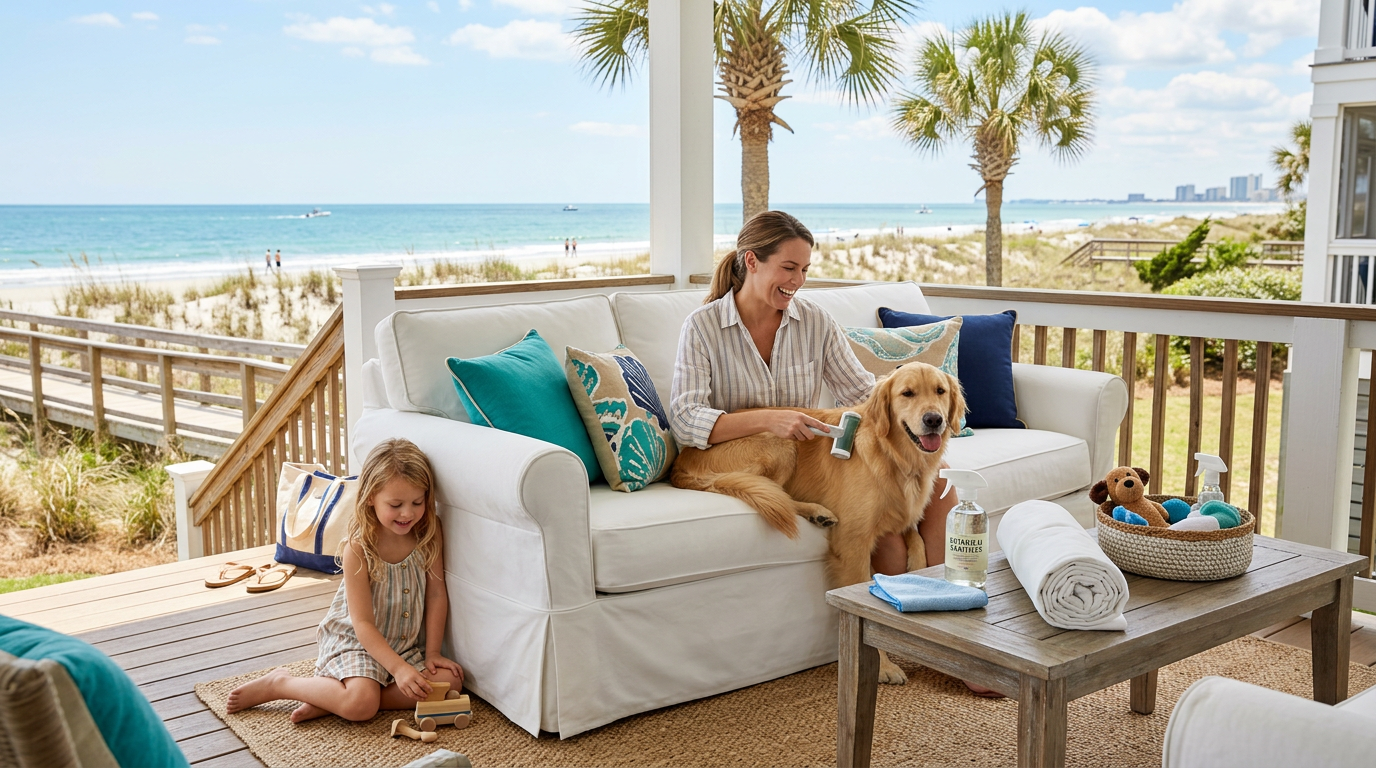
Grand Strand families love slipcovered sofas for their breezy coastal style and practical washability, but the local humidity creates a challenging indoor environment where sand, pet hair, and organic spills quickly bond to fabric fibers. Without a systematic decontamination protocol, these beloved living room centerpieces become reservoirs for yeast, allergens, and abrasive grit that degrade the textiles from the inside out. Establishing a strict, child-and-pet-safe laundering and vacuuming routine is essential for maintaining a healthy indoor environment and extending the lifespan of your investment. By implementing a professional-grade home maintenance system, you can keep your slipcovered furniture looking crisp, smelling fresh, and remaining safe for the entire family.
The Anatomy of Coastal Slipcover Contamination: How Sand, Sweat, and Sebum Unite
Grand Strand homes face a unique trifecta of indoor pollutants that settle directly into family furniture. Fine quartz sand from Myrtle Beach shores acts like tiny razor blades when ground into slipcover fabrics by busy children and active pets. When combined with our high coastal humidity, which routinely stays above sixty percent, this sand-grit bonds with skin oils and pet dander. The resulting mixture clings to the fibers, making standard dust removal incredibly difficult.
The role of pet sebum and sweat is a critical factor in slipcover contamination. Dogs and children lounging on the sofa deposit natural body oils that oxidize over time, creating a sticky, invisible residue. This residue acts as an adhesive, trapping airborne dust, outdoor pollen, and microscopic mold spores. Over time, this transforms your family couch into an active allergen incubator that can trigger sneezing, skin irritation, and respiratory issues.
The mechanical damage caused by this build-up is both progressive and costly. Every time someone sits on a sand-infused, oily slipcover, the physical friction grinds the silica particles against the cotton or linen threads. This micro-abrasion thins the weave of the fabric, leading to premature pilling, fraying, and a dull gray haze. Standard light vacuuming cannot resolve this deeper fiber wear, which is why a targeted extraction sequence is necessary.
The Multi-Stage Mechanical Sand and Hair Extraction Sequence
Before any liquids are introduced to your slipcovers, a dry mechanical extraction is absolutely mandatory. Wetting a slipcover that still contains heavy sand and hair will only create a muddy slurry that embeds deeper into the weave. Instruct everyone in the household to help strip the slipcovers off, but keep the individual cushion covers zipped shut during this initial dry vacuuming phase to maintain structural tension.
Using a vacuum equipped with a high-efficiency particulate air (HEPA) filter and a motorized brush roll is key. Switch to a rubber-toothed upholstery tool specifically designed to pull stubborn pet hair from woven textiles. Work in slow, overlapping, cross-hatch patterns across the entire surface of the couch frame and cushions, moving first vertically and then horizontally to dislodge embedded sand.
Once the exterior slipcover surfaces are vacuumed, strip them completely from the cushion inserts. The inner fabric casings, often made of cotton ticking, must also be thoroughly vacuumed. Fine sand easily migrates through the porous outer slipcover, settling onto the inner cores where it can rub against foam or down inserts and break them down over time.
Child-Safe and Pet-Friendly Stain Pre-Treatment Protocols
When dealing with spills, organic stains, and muddy paw prints, avoiding harsh chemical pre-treatments is critical. Standard commercial stain removers often leave behind synthetic fragrances and chemical residues that can irritate sensitive toddler skin or cause contact dermatitis in pets. Instead, turn to vegetable-derived enzyme cleaners that naturally break down organic matter without introducing toxins to your living room.
For daily spot treatment, a mild botanical solution works wonders on most stains without stripping the fabric’s natural dye. Mix warm water with a few drops of natural Castile soap and a splash of distilled white vinegar. Always blot the stain using a clean, white microfiber cloth, working from the outside edges inward to prevent the spot from spreading further into the dry fabric.
To combat stubborn pet odors and salivary proteins, use a safe, low-toxicity chemical reaction. Apply a paste of baking soda and a tiny amount of diluted hydrogen peroxide to light-colored slipcovers, testing an inconspicuous spot first. This safe mixture breaks down the sulfur compounds responsible for the classic wet dog smell, leaving the fabric completely fresh and safe for crawling infants.
- Avoid optical brighteners and synthetic chemical softeners
- Use botanical enzymes for protein stains like saliva and milk
- Blot gently with white microfiber to prevent dye transfer
- Apply baking soda paste to naturally neutralize sulfur pet odors
- Test all pre-treatments on an inconspicuous back hem first
The Wash-Cycle Chemistry: Water Temperature, Load Balancing, and Safe Surfactants
Washing heavy slipcovers requires careful machine management to prevent damage to both the fabrics and your appliance. Slipcovers are extremely heavy when wet and can easily throw a residential washing machine out of balance. To ensure proper water flow and complete soil extraction, wash the main frame cover separately from the individual cushion covers.
Select a warm water setting, ideally around ninety to one hundred degrees Fahrenheit, for cotton and linen blends. This temperature is warm enough to dissolve oxidized sebum and sweat but cool enough to prevent the severe fabric shrinkage caused by hot water. Use a dye-free, scent-free liquid detergent that rinses clean without leaving a skin-irritating residue behind.
Incorporate a natural sanitizing rinse by adding one cup of white distilled vinegar to the fabric softener compartment. The mild acetic acid in the vinegar neutralizes any lingering detergent alkaline deposits, naturally softens the fibers, and helps kill fungal spores that thrive in the damp Myrtle Beach air. It also ensures the slipcovers emerge from the wash smelling completely neutral.
The Damp-Dry and Fitment Sequence: Avoiding Shrinkage and Mold
The drying phase is where many homeowners accidentally ruin their expensive slipcovers by causing catastrophic shrinkage. High-heat dryer cycles break down natural fibers and shrink cotton and linen to the point where they can no longer be zipped back onto the frames. Instead, dry the slipcovers on a low-heat or air-fluff setting until they are only eighty to eighty-five percent dry.
The fabric should feel cool and slightly damp to the touch when you remove it from the dryer. At this stage, the fibers retain a natural elasticity, making it the perfect time to reinstall them. Carefully pull the damp slipcovers back over the cushion inserts and zip them closed, smoothing out any minor wrinkles with your hands.
Once fitted, let the slipcovers finish drying directly on the sofa cushions. Keep your home’s HVAC fan running or operate a dehumidifier in the room to pull the remaining moisture out of the fabric. This damp-dry fitting technique ensures the slipcovers dry to a perfectly snug, custom fit without trapping mold-inducing dampness inside the cushions.
Managing the Cushion Core: Sanitizing Foam and Down Wraps
While slipcovers are easy to wash, the cushion cores themselves require special care to prevent mold and dust mite colonies. Over months of exposure to humid Grand Strand air, these dense interior materials absorb sweat, humidity, and microscopic dander. If neglected, they will emit a musty smell even when the outer slipcovers are freshly laundered.
For polyurethane foam cushion inserts, a gentle sanitizing mist is the safest approach. Lightly spray the foam with a solution of seventy percent isopropyl alcohol or a botanical thyme-based disinfectant. Avoid saturating the foam, as deep moisture can take days to dry and cause internal rot; instead, let them dry in a warm, sunny room with active airflow.
Down-wrapped or feather-fill cushion inserts require a different approach to maintain their loft and cleanliness. Place these inserts directly in the warm South Carolina sunlight for a few hours on a dry, low-humidity day. The sun’s natural ultraviolet rays act as a mild disinfectant, while the heat evaporates trapped moisture, fluffing the feathers without chemicals.
Proactive Barrier Strategies and Daily Maintenance Habits
Protecting your slipcovers from future messes does not require using harsh, fluorochemical-based stain guards. These traditional sprays often contain synthetic compounds that can off-gas toxins, posing health risks to pets and infants. Instead, look for modern, water-based, non-toxic textile protectors that use silicon-based barriers to repel liquids safely.
Incorporate simple daily habits to keep sand and hair from settling deep into the couch fibers. Shake out and rotate the seat cushions weekly to distribute wear evenly and prevent sand from accumulating in the seams. Keeping a color-matched, washable organic cotton throw blanket over your pet's favorite corner makes weekly cleanups much simpler.
Prevent sand from entering your living areas by placing heavy-duty barrier mats at all exterior doorways. Establishing a firm shoes-off policy in your home, along with a quick paw-wiping routine for pets coming inside, drastically reduces the abrasive grit that reaches your sofa. These small steps yield massive results in preserving your furniture’s freshness.
- Apply water-based, non-toxic fabric protectors to repel spills
- Rotate and flip seat cushions weekly to distribute fabric wear
- Use washable organic cotton throw blankets on designated pet spots
- Establish a strict shoes-off policy for family and guests
- Wipe pet paws at the door to stop sand at the threshold
Professional Deep Extraction: When to Call the Grand Strand Specialists
Even with diligent home washing and vacuuming, a professional deep extraction is recommended at least once a year. Over time, micro-sand settles so deep within the structural seams of your sofa frame that home vacuums cannot reach it. When slipcovers begin to look dull, feel stiff, or harbor a persistent musty smell, professional care is needed.
A2Z Cleaning & Linen Services provides specialized upholstery cleaning tailored to our coastal Grand Strand climate. Our expert team utilizes high-extraction, temperature-controlled equipment that safely lifts embedded quartz sand and pet dander from deep within the sofa's framework. We use eco-friendly, child-safe, and pet-safe botanical solutions to restore your furniture without harsh chemicals.
Investing in professional care not only restores the visual appeal of your home but also protects your family’s respiratory health. Our deep extraction process removes allergens, mold spores, and deep-set odors, giving your living space a fresh start. Contact A2Z Cleaning & Linen Services at 843.800.2788 to schedule a professional upholstery deep clean today.
Key takeaway
Keeping slipcovered furniture clean in a busy, sandy Grand Strand home requires a balance of regular dry sand extraction, child-safe spot treatments, and careful damp-dry laundering. By establishing these safe and effective routines, you protect both your family's health and your home investments from the unique challenges of coastal living.
Keep Reading
Coastal Living
The Coastal High-Velocity Ceiling Fan and Vaulted Ceiling Decontamination Protocol: Mitigating Static-Cling Allergen Crust, Humidity-Driven Mold Spores, and Eco-Friendly Dust Capture in Grand Strand Homes
ReadCoastal Living
The Coastal Mini-Split and PTAC Evaporator Coil Decontamination Protocol: Mitigating Mold Spores, Salt-Damp Dust Loading, and Botanical Disinfection in Grand Strand Homes
ReadCoastal Living
The Coastal Family Car Seat and Beach Stroller Decontamination Protocol: Mitigating Sand-Silt Wear, Spilled Organic Biofilms, and Salt-Air Mildew in Grand Strand Homes
ReadReady for a spotless property?
Call 843.800.2788 or request a free quote from A2Z Cleaning & Linen Services.