Coastal Living
The Coastal Kids' Toy Bin and Beach-to-Playroom Asset Decontamination Protocol: Mitigating Humid Saliva Biofilms, Pet-Dander Adhesion, and Sand-Friction Scratches in Grand Strand Homes
A step-by-step guide for Grand Strand families to safely decontaminate kids' toys and storage bins from sand, pet dander, and saliva biofilms using child- and pet-safe protocols.
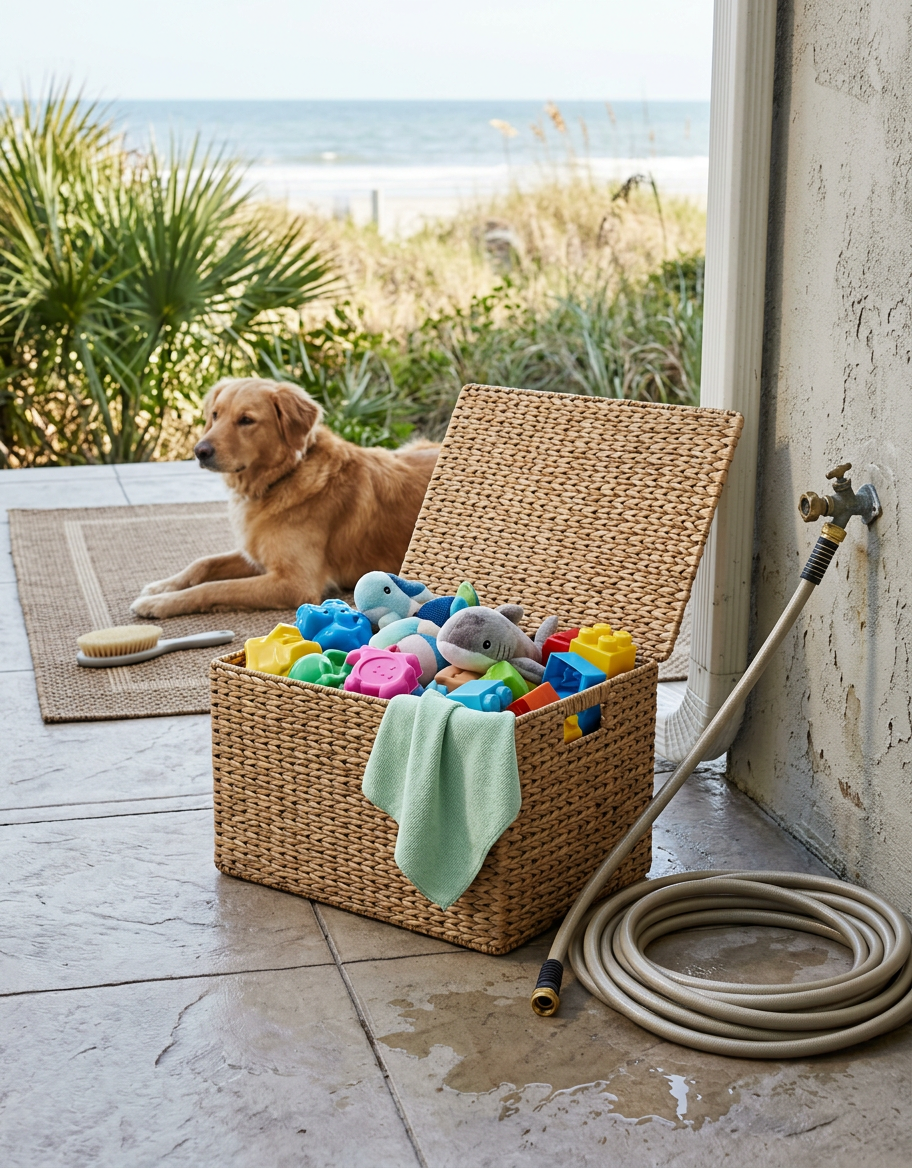
Living on the Grand Strand means embracing a lifestyle filled with beach trips, outdoor play, and beloved pets. However, bringing the coastal outdoors inside creates a unique cleaning challenge for busy families. When sand-grit, pet saliva, toddler drool, and high indoor humidity combine, they form a sticky, germ-harboring biofilm on children's toys and plastic storage bins. To keep your home healthy and allergy-free, you need a systematic decontamination protocol that sanitizes these high-touch play assets without relying on harsh, toxic chemicals. As the trusted local experts in home care, A2Z Cleaning & Linen Services (843.800.2788) is here to help you establish a safe, manageable routine.
The Coastal Biofilm Triad: How Sand, Saliva, and Humidity Intersect
In our humid coastal climate, children's play areas are subject to atmospheric forces that do not exist in drier regions. When children play with hard plastic toys or household pets share these spaces, saliva is inevitably deposited on toys, blocks, and bins. While saliva evaporates quickly in dry climates, the sustained high humidity of the Myrtle Beach area keeps these surfaces damp for longer periods. This lingering moisture creates an incredibly adhesive environment.
Airborne pet dander, shedding hair, and fine silica sand-grit blown in from the coast adhere readily to these damp surfaces. Over time, this mixture cures into a resilient, sticky biofilm that binds tightly to plastic substrates. The sand-grit acts as an abrasive, creating microscopic scratches on the surfaces of building blocks, action figures, and toy chests. These tiny grooves then serve as protected harbors for bacteria, yeast, and mold spores to colonize.
Static electricity, which is common in plastic bins and synthetic playroom carpets, further accelerates the accumulation of pet dander and hair. When kids handle these soiled toys, the dander and bacteria transfer directly to their skin and faces, often triggering allergies, eczema, or asthma. Effectively managing this issue requires breaking down the organic protein binders in saliva and yeast without degrading the play assets or introducing chemical hazards.
Material-Safe Chemistry: Sourcing Child- and Pet-Safe Sanitizers
Traditional household disinfectants often rely on heavy phenols, quaternary ammonium compounds, or chlorine bleach. Although these chemicals are highly effective at killing pathogens, they leave behind persistent, toxic chemical residues on plastic surfaces. Because young children frequently put toys in their mouths and pets lick their surrounding environments, these chemical residues present a real risk of ingestion, chemical burns, or mucosal irritation.
Safe coastal toy decontamination requires botanical disinfectants, such as those formulated with thymol (derived from thyme oil) or citric acid, which carry EPA registrations for safety and sanitization. These botanical options degrade rapidly and cleanly, leaving no harmful chemical films behind. Alternatively, high-purity isopropyl alcohol diluted to 70 percent can be used on non-porous plastics, as it evaporates completely and leaves zero residue.
When removing sticky residues or greasy sunscreen smears, avoid petroleum-based solvents entirely. Natural surfactants, such as coconut-derived soaps or a simple paste made of sodium bicarbonate (baking soda) and water, effectively emulsify the oils and proteins in saliva. These natural agents lift soils from the plastic without leaving behind synthetic fragrances that can trigger sensory sensitivities or attract curious pets.
The Beach-to-Playroom Toy Sort and Pre-Wash Extraction
Before beginning any wet cleaning process, you must separate toys that have traveled to the beach or backyard from indoor-only play assets. Outdoor beach toys, such as silicone buckets, plastic shovels, and sand molds, carry heavy loads of highly abrasive salt-silt. Bringing these items directly into an indoor sink or washing machine without a thorough pre-rinse will scratch the plastics and clog your plumbing drains with dense coastal sand.
Begin the decontamination process outdoors at an exterior shower, hose station, or spigot. Place all sand-exposed toys into a heavy-mesh bag and shake them vigorously to dislodge coarse grit and dried salt crusts. Use a high-pressure spray nozzle to flush out the interior compartments of hollow trucks, sand sifters, and buckets. Once the bulk sand is completely evacuated, the items can be brought indoors safely.
For indoor-only play assets, execute a dry extraction step. Run a vacuum equipped with a HEPA filter and a soft brush attachment over toy chests, fabric storage cubbies, and hard plastic playsets. This removes loose pet hair, dander, and tracked-in dust before moisture is introduced. Wetting dander and hair prematurely turns these materials into a sticky, felted slurry that is incredibly difficult to remove from small crevices.
- Isolate outdoor beach buckets, silicone molds, and sand toys from indoor playsets.
- Shake and tap all sand-exposed toys inside a heavy-duty mesh bag outdoors to shed coarse grit.
- Use a high-velocity garden hose or outdoor shower head to flush fine silt from hollow cavities.
- HEPA-vacuum dry indoor toys and storage bins to extract loose pet dander and static-cling hair before wetting.
- Inspect rubber and squeeze toys for internal mold or moisture, discarding any with black interior growth.
Deep-Cleaning Hard Plastic and Silicone Play Assets
Once dry-extracted and pre-rinsed, group your hard plastic and silicone toys into a clean utility sink or a large washbasin. Fill the basin with warm water and a natural, unscented surfactant. Avoid dishwashing soaps with heavy synthetic dyes or perfumes, as these leave a chemical film that toddlers and pets can easily ingest. Let the toys soak for 15 to 20 minutes to soften the hardened saliva biofilms and bound-on sand-grit.
Following the soak, use a soft-bristled, non-abrasive brush—such as a dedicated vegetable brush or a soft nylon detailing brush—to clean the surfaces. Focus heavily on textured handgrips, interlocking joints, and hollow spaces where tiny fingers and paws make frequent contact. Scrubbing must be gentle; aggressive scouring with steel wool or abrasive pads will create micro-grooves that invite future bacterial accumulation.
Drain the soapy water and perform a thorough rinse cycle using clean, running warm water. For toys that have been mouthed by pets or children, submerge them in a sanitizing bath of 70 percent isopropyl alcohol or an EPA-approved botanical sanitizer for the recommended contact time. Ensure all internal cavities of hollow toys are thoroughly flushed to prevent mold from breeding in our humid coastal air.
Sanitizing the Bins: Overcoming Static-Cling Hair and Corner-Dwelling Sand
Toy storage bins, shelving units, and chests act as massive gravity wells in coastal homes. Static electricity, generated by air conditioning or friction from plastic-on-plastic contact, pulls pet hair and dander directly to the interior walls of plastic bins. Additionally, gravity pulls fine beach sand and organic crumbs to the bottom corners of the containers, creating a nutrient-rich breeding ground for bacteria and dust mites.
To decontaminate these storage units, empty them completely and spray them with an anti-static botanical cleaner or a diluted isopropyl alcohol solution. The anti-static properties break the electrical bond between the plastic walls and the pet hair, allowing you to wipe away the hair effortlessly with a clean microfiber cloth. Always use a color-coded microfiber system to ensure cloths used for bathroom sanitation never cross-contaminate play zones.
Focus heavily on the deep corners and seams of the bins. Use a crevice tool on your vacuum to pull out packed sand, then use a cotton swab dipped in rubbing alcohol to clear out any remaining grime from the joints. Wipe down the exterior of the bins, including handles and lids, which are primary transfer points for skin oils and cold viruses. Allow the bins to dry completely before restocking them with sanitized toys.
The Drying and Curing Phase: Defeating High-Humidity Spore Germination
In the Grand Strand, drying is often the most critical step of the sanitation process. Because our ambient indoor humidity frequently hovers above 55 percent, damp toys left to air-dry slowly on a towel will remain wet long enough for mold spores to germinate. This risk is amplified inside hollow toys, such as squeeze toys, rubber ducks, and building blocks with open undersides, where water becomes trapped.
To prevent mold growth, shake all excess water out of the toys and lay them in a single layer on a clean, dry lint-free towel. Place a high-velocity fan nearby to circulate air directly across the drying zone. The constant airflow accelerates evaporation, overcoming high ambient humidity. For hollow toys, squeeze out all internal water and prop them upright so gravity can assist in draining the interior chambers.
If possible, place non-color-sensitive toys in direct sunlight on a clean balcony or porch for 30 minutes. The natural ultraviolet (UV) rays from the coastal sun act as a powerful, chemical-free sanitizer. However, monitor the duration, as prolonged exposure to intense coastal UV radiation can degrade and embrittle certain plastics. Once fully dry, inspect each item to ensure no moisture remains in joints or hollow pockets.
Soft Toy and Plush Decontamination: Managing Saliva and Allergen Loading in Fabrics
While hard plastic toys are easily scrubbed, plush toys, stuffed animals, and fabric storage bins present a different challenge. These soft surfaces act as sponges for child sweat, saliva, pet dander, and humid salt air. Because children sleep with and cuddle these items, they are major vectors for respiratory allergens. Cleaning them requires a gentle yet deep thermal extraction process to kill dust mites without destroying delicate fabrics or seams.
Wash fabric toys in a washing machine using a gentle, fragrance-free detergent on a warm cycle (ideally at least 130 degrees Fahrenheit to neutralize dust mites and yeast). To protect delicate stitching, button eyes, and plastic parts, place the plush toys inside zippered pillowcases or mesh laundry bags. Avoid fabric softeners, which leave a chemical residue that traps future pet dander and dust in the fibers.
Drying plush toys in our coastal climate must be thorough. Run them through a dryer on a low-to-medium heat cycle with clean tennis balls or wool dryer balls to fluff the stuffing and prevent clumping. If the toy cannot be machine-dried, dry it in a well-ventilated, air-conditioned room with a fan blowing directly on it. Never store a plush toy until you are certain the core stuffing is completely bone-dry.
Establishing an Allergy-Friendly Weekly Loop for Busy Households
Maintaining a clean, allergy-safe playroom in a busy Grand Strand home does not require daily deep-cleaning, but it does require a structured weekly loop. Consistency prevents pet dander and sand-grit from accumulating to levels that trigger allergic reactions. By setting up a simple rotation system, you can manage the workload without feeling overwhelmed by the demands of a busy household.
Establish a "dry-cleaning" routine mid-week. Spend five minutes vacuuming the play area floor and the interiors of high-use toy bins with a HEPA vacuum. Keep a pack of non-toxic, unscented, plant-based wipes near the toy chest to quickly clean high-touch surfaces, such as game controllers, tablet screens, and shared toys, immediately after use or when a pet licks them.
On a weekly basis, rotate a portion of the toys through a deeper sanitizing wash while keeping others in storage. This rotation reduces the sheer volume of toys that need cleaning at any one time and keeps play assets fresh for your children. For property managers or busy local families who need comprehensive, professional support, partnering with a specialized service like A2Z Cleaning & Linen Services (843.800.2788) ensures that high standards of hygiene are consistently maintained.
Key takeaway
Keeping children's play spaces hygienic and allergy-free in the Grand Strand requires addressing the unique combinations of coastal sand, humidity, and pet dander. By implementing a systematic sort, wash, and rapid-dry protocol with child-safe chemistry, you protect your family's health and preserve their favorite play assets. For professional assistance with all your specialized home cleaning needs, call A2Z Cleaning & Linen Services at 843.800.2788.
Keep Reading
Coastal Living
The Coastal Dehumidifier and Condensate Drain Line Maintenance Protocol: Mitigating Bio-Sludge, Spore Reservoirs, and Indoor Air Quality Failures in Grand Strand Homes
ReadCoastal Living
The Green PTAC and Mini-Split Sanitization Protocol: Eliminating Coastal Bio-Films and Respiratory Irritants in Grand Strand Condos
ReadCoastal Living
The Grand Strand Family Beach-Dog Entryway and Paw-Wiping Station Protocol: Mitigating Salt-Yeast Odors, Wet-Fur Dander, and Sand-Silt Tracking
ReadReady for a spotless property?
Call 843.800.2788 or request a free quote from A2Z Cleaning & Linen Services.