Home Cleaning
The Coastal Modular Foam Play-Couch Decontamination Protocol: Managing Sand-Grit, Pet Dander, and Humidity-Trapped Spills in Grand Strand Homes
Learn how to protect your family's modular foam play couch from Myrtle Beach humidity, pet hair, and sand using safe, non-toxic cleaning protocols.
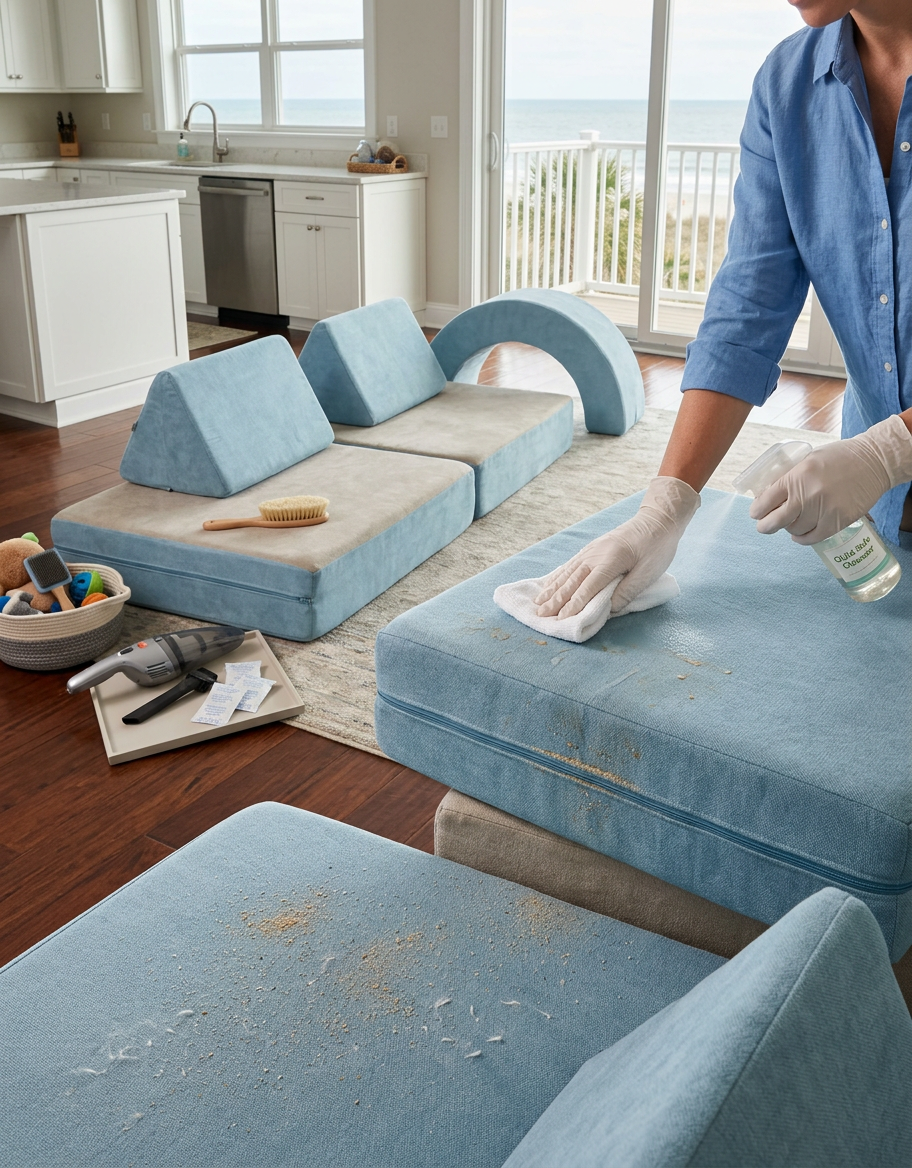
In Grand Strand family rooms, modular foam play couches have become a staple for creative children and lounging pets alike. However, the unique coastal environment of Myrtle Beach—characterized by relentless sand-grit, high relative humidity, and airborne salt—turns these dense polyurethane foam structures into massive filters for household allergens. When pet dander, spilled juice, and damp swimsuits settle into microfiber play cushions, they create a perfect storm for microbial growth and persistent odors. Establishing a specialized cleaning protocol for these low-to-the-ground play structures ensures your children’s play area remains sanitary, allergen-free, and safe for sensitive skin.
The Unique Vulnerability of Modular Play-Couch Foam in Coastal Climates
Modular play couches are primarily constructed from open-cell polyurethane foam, a highly breathable material that excels at cushioning but acts like a giant sponge for coastal humidity. In Myrtle Beach, where indoor humidity levels can easily creep above 50% without careful climate control, this open-cell structure absorbs ambient moisture from the air. When you combine this moisture with the sweat of active children and the body heat of resting pets, the interior of the foam becomes a prime microclimate for mold spore colonization. Once mold takes root inside dense foam, it is incredibly difficult to eradicate without destroying the structural integrity of the cushion.
Furthermore, these play structures are placed directly on the floor, often resting on luxury vinyl plank, hardwood, or low-pile area rugs. This ground-level positioning subjects them to a constant influx of heavy floor-level debris, including microscopic sand-grit carried in from local beaches, dander from shedding dogs and cats, and outdoor pollen. As children jump, climb, and compress the foam, they create a bellows effect. This physical compression draws airborne particles and floor-level dust deep into the weave of the covers and directly into the porous surface of the inner foam blocks.
Over time, the accumulation of organic matter—such as skin flakes, pet saliva, and spilled milk or juice—provides a continuous food source for bacteria and dust mites. Traditional cleaning methods often fall short because they fail to address the unique interaction between the synthetic cover fabrics and the vulnerable foam cores. To preserve both the hygiene of your home and the lifespan of these expensive play systems, families must adopt a systematic decontamination protocol that balances powerful soil extraction with gentle, non-toxic chemistry.
Child-Safe and Pet-Friendly Chemistry: Avoiding Harsh Residues
When selecting cleaning chemistry for children's play areas, safety is the absolute priority. Young children spend hours with their faces pressed against these cushions, breathing in whatever chemical residues remain on the fabric. Traditional upholstery cleaners often rely on harsh surfactants, synthetic fragrances, and quaternary ammonium compounds that can trigger contact dermatitis, asthma flare-ups, and respiratory irritation in both children and pets. Instead, Grand Strand families should utilize bio-enzymatic cleaners and low-residue, plant-based surfactants that break down organic soils without leaving hazardous chemical footprints.
For general spot-cleaning, a solution of warm water mixed with a few drops of dye-free, fragrance-free liquid castile soap is highly effective. To address organic odors and stains from pet accidents, milk spills, or saliva, choose an enzyme-based cleaner formulated specifically for household use. These enzymes actively digest protein and lipid-based soils, neutralizing odors at the molecular level rather than masking them with synthetic perfumes. Always verify that any commercial enzyme cleaner you purchase is certified by a reputable environmental testing agency to ensure child-safe compliance.
For sanitizing purposes, avoid chlorine bleach or harsh phenols, which can damage the synthetic fibers of the covers and pose serious health risks to pets who lick the fabric. A safer, highly effective sanitizing agent is a 70% isopropyl alcohol solution misted lightly onto the fabric surface. Isopropyl alcohol sanitizes rapidly on contact and evaporates completely within minutes, leaving absolutely no chemical residue behind. This rapid evaporation is particularly beneficial in our high-humidity coastal climate, as it prevents the fabric from remaining damp for extended periods, reducing the risk of mold.
The Inner-Core Foam Restoration: Treating Deep Spills and Pet Accidents
If a liquid spill, pet accident, or potty-training mishap penetrates the outer cover and reaches the inner polyurethane foam, swift and careful intervention is required. Polyurethane foam cannot be saturated with water or thrown into a washing machine, as excess moisture will break down the cell walls of the foam, causing it to lose its structural bounce, crumble, and harbor deep-seated mold. To treat the foam core, first strip off the zippered cover and blot the wet area of the foam immediately using clean, dry microfiber towels. Press down firmly with your body weight to absorb as much liquid as possible.
Once you have extracted the bulk of the liquid, lightly mist the affected area of the foam with a specialized enzymatic odor neutralizer or a mild solution of baking soda and warm water. Do not pour the solution directly onto the foam; use a spray bottle to ensure a controlled, fine mist that targets only the surface layers. Gently press a clean towel against the treated area to work the solution slightly into the upper cells of the foam, then immediately blot it dry with a fresh towel. Repeat this blotting process until the transferring moisture is completely clear and odor-free.
To speed up the drying process of the foam core, position a high-velocity floor fan directly facing the damp area. Elevate the foam block on a clean wire drying rack or dry towels to ensure maximum airflow around all sides of the cushion. Keep a dehumidifier running in the room to pull escaping moisture out of the air. Never place polyurethane foam in direct, hot Myrtle Beach sunlight for extended periods, as ultraviolet rays degrade the polymer chains, causing the foam to turn yellow, brittle, and structurally compromised.
Sanitizing Microfiber and Textured Covers: Washing and Drying Parameters
Most high-quality modular play couches feature removable covers made from microsuede, brushed cotton, or textured polyester blends. While these covers are often machine-washable, improper laundering can lead to shrinkage, color fading, and fabric warping, making it nearly impossible to zip them back onto the foam cores. To prevent these issues, always zip the covers closed before placing them in the washing machine. This protects the delicate zipper teeth from catching on the agitator or other parts of the machine, preventing tears and fabric distortions.
Wash the covers in cold water on a gentle or delicate cycle using a mild, hypoallergenic laundry detergent. Avoid fabric softeners, as they leave a chemical coating on the fibers that reduces the fabric's natural breathability, makes them more attractive to pet hair, and clogs the micro-gaps that allow moisture to escape. If you are dealing with heavy pet odors or mold spores, add half a cup of distilled white vinegar to the rinse cycle. White vinegar acts as a natural fabric softener, neutralizes alkaline residues, and helps kill odor-causing bacteria without leaving a lingering scent.
Drying the covers requires extreme care to avoid shrinkage. The safest method is to line-dry the covers indoors in a climate-controlled room with a fan running to promote airflow. If you must use a clothes dryer, select the "no heat" or "air fluff" setting. Even moderate heat can melt or shrink the synthetic fibers in microsuede and polyester, rendering the covers unusable. Once the covers are completely dry, gently stretch them back over the foam cushions, taking care to align the corners perfectly before zipping them shut to maintain the crisp, structural lines of the play couch.
Mitigating Coastal Humidity and Mildew Risk During Drying Cycles
The humid coastal air of the Grand Strand poses a significant challenge when drying freshly cleaned upholstery and foam cushions. Outdoor relative humidity in Myrtle Beach frequently exceeds 70%, which means drying your play couch components outdoors can actually introduce more moisture into the foam rather than drying it. Furthermore, outdoor drying exposes the damp fabrics to airborne salt-spray, sand-grit, mold spores, and local pollens, which readily cling to wet fibers and can trigger severe allergies once the furniture is brought back inside.
To ensure a safe, mold-free drying environment, always conduct the entire drying process indoors in a closed, climate-controlled space. Set your home's air conditioning system to "Cool" or "Dry" mode to actively pull moisture from the indoor air. Place the damp cushions in a room with a dedicated dehumidifier, setting the target humidity level to 40% or lower. Supplement this setup with multiple floor fans or a ceiling fan running on high speed to create continuous cross-ventilation across the surfaces of the cushions.
Periodically flip and rotate the foam blocks and drying covers every two to three hours during the drying cycle. This prevents moisture from pooling at the bottom of the cushions where they touch support surfaces. Do not reassemble the play couch until you are absolutely certain that both the foam cores and the fabric covers are 100% dry to the touch, including the interior seams and zipper linings. Reassembling even slightly damp cushions will trap moisture inside, leading to musty odors and sub-surface mold colonization within forty-eight hours.
Establishing a Weekly Maintenance Routine for High-Traffic Play Furniture
To keep your family's modular play couch clean, hygienic, and smelling fresh between deep cleanings, establish a simple, proactive weekly maintenance routine. Start by setting aside fifteen minutes every week to perform a quick dry extraction. Vacuum the surface of the couch using the HEPA-filter upholstery tool to remove pet hair, sand, and dust before they become embedded deep in the fabric fibers. This consistent habit prevents abrasive sand-grit from wearing down the fabric yarns, significantly extending the life and appearance of the covers.
Keep a dedicated, pet-safe fabric refreshing spray on hand for mid-week touch-ups. You can easily create a child-safe refresher by mixing equal parts distilled water and isopropyl alcohol with ten drops of kid-safe lavender or chamomile essential oil in a glass spray bottle. Lightly mist the couch after the kids go to bed to eliminate minor odors and sanitize the surface fabric. Additionally, encourage a "no wet clothes or damp swimsuits" rule on the play couch, providing a designated drop zone near your home’s entryway for damp beach gear to protect the foam from coastal moisture.
For families managing busy households, pets, and rental schedules, keeping up with deep cleaning can be a challenge. Professional environmental cleaning services can provide the deep extraction and low-moisture sanitization required to keep your upholstery pristine. If you need assistance restoring your coastal home’s carpets, upholstery, or linens to a flawless, allergen-free standard, contact the local specialists at A2Z Cleaning & Linen Services at 843.800.2788 to schedule a professional deep clean tailored to your family's unique needs.
- Vacuum all surfaces weekly using a HEPA-filter vacuum and specialized upholstery attachment.
- Rotate and flip the modular cushions every two weeks to distribute wear and promote airflow.
- Spot-treat spills immediately using a white microfiber cloth and child-safe castile soap.
- Apply a quick-drying 70% isopropyl alcohol mist monthly to sanitize the fabric surface.
- Enforce a strict policy prohibiting damp beachwear and wet swimsuits on the play cushions.
Key takeaway
Keeping a busy Grand Strand home clean means protecting your children's high-traffic play zones from the combined threats of pet dander, beach sand, and high humidity. By implementing this modular play-couch decontamination protocol, you can ensure a safe, sanitary, and mold-free environment for your family to enjoy. For professional, child-safe deep cleaning solutions that restore your home’s soft surfaces, call A2Z Cleaning & Linen Services at 843.800.2788 today.
Keep Reading
Home Cleaning
The Coastal Pet-Crate and Indoor Dog-Bed Restoration Protocol: Mitigating Humid Yeast Biofilms, Dander Reservoirs, and Urine-Ammonia Interactions in Grand Strand Homes
ReadHome Cleaning
The Family Staircase and Safety Gate Decontamination Protocol: Mitigating Sunscreen-Grime Slurry, Pet-Hair Static, and Sticky Handprint Biofilms in Grand Strand Homes
ReadHome Cleaning
Low-Zone Sanitization: Protecting Crawling Toddlers and Ground-Level Pets from Coastal Residues and Harsh Chemicals
ReadReady for a spotless property?
Call 843.800.2788 or request a free quote from A2Z Cleaning & Linen Services.