Home Cleaning
The Coastal Pet-Crate and Indoor Dog-Bed Restoration Protocol: Mitigating Humid Yeast Biofilms, Dander Reservoirs, and Urine-Ammonia Interactions in Grand Strand Homes
A practical, step-by-step restoration guide for Grand Strand homeowners to eliminate stubborn pet odors, yeast biofilms, and hair reservoirs safely using child-friendly chemistry.
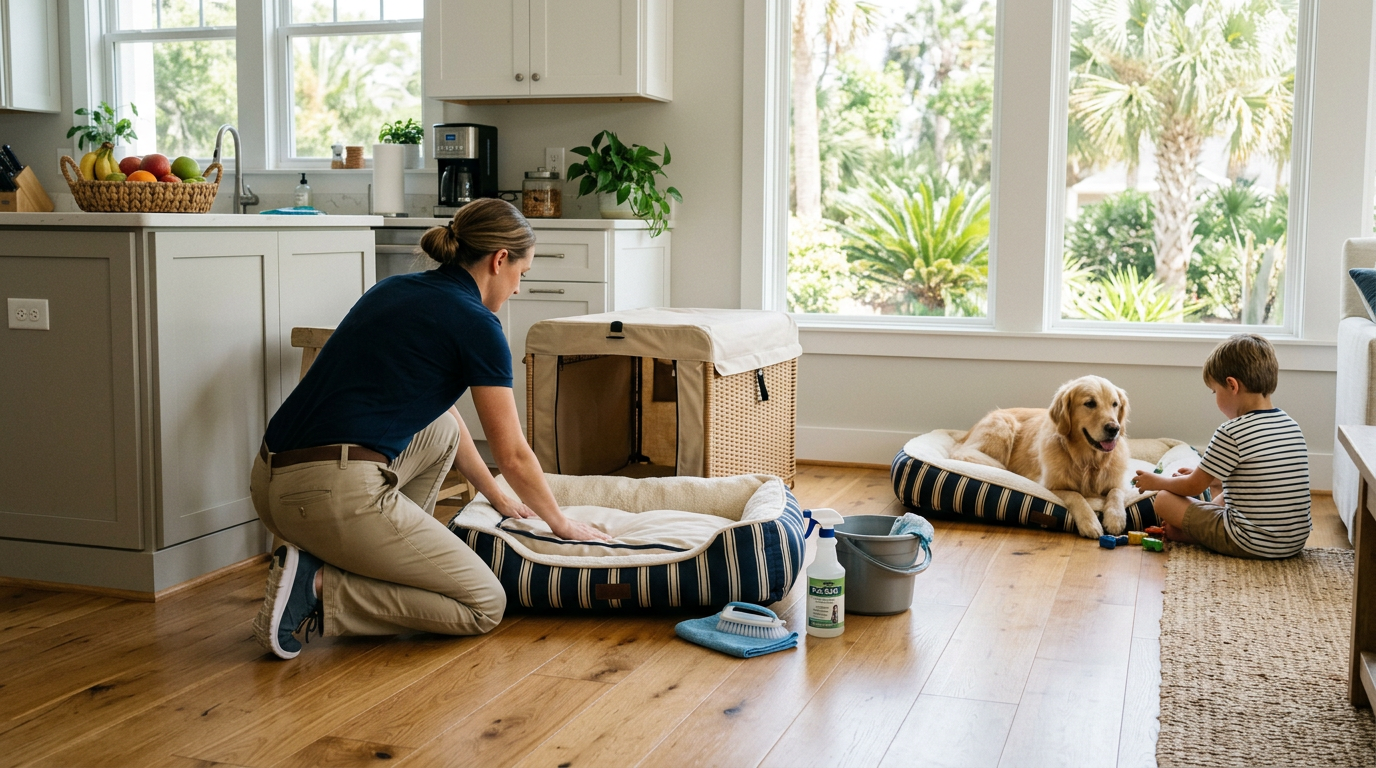
For families along the Grand Strand, our coastal climate brings unique challenges to keeping a busy home clean and healthy. High humidity levels combined with salt air create a breeding ground for yeast, dander, and bacterial odors inside our pets' favorite resting spots. Standard household cleaners often rely on harsh chemicals that can irritate sensitive pet paws and young children who share these living spaces. Understanding how to safely decontaminate pet crates and indoor dog beds is essential for maintaining pristine indoor air quality and a healthy family environment.
The Chemistry of Coastal Pet-Crate Environments: Humidity, Yeast, and Urea
The climate of the Grand Strand, characterized by persistent relative humidity often exceeding seventy percent, fundamentally changes how organic pet soils behave indoors. When a dog returns from a humid outdoor walk or a trip to the beach, they bring moisture, environmental yeast, and microscopic salt crystals back to their crate. Inside the confined space of a plastic or wire kennel, this moisture mixes with shedding dander, sebum skin oils, and trace amounts of urea. The resulting microclimate accelerates the breakdown of organic matter, leading to sour, yeasty odors that spread throughout the home.
This humid breakdown is not merely an aesthetic or sensory issue; it represents a genuine indoor air quality hazard for busy coastal households. Dried saliva, dander, and shed fur become bound together by sticky sebum, adhering to the plastic crate pan and wire bars. As pets move in and out of the crate, this dried, allergen-laden crust is pulverized into fine airborne particulate matter. In a closed HVAC system, these particles circulate repeatedly, aggravating childhood allergies, asthma, and skin sensitivities in both humans and animals.
Additionally, trace amounts of urine can react with the moisture and salts carried in from the coastal air. This interaction triggers a rapid conversion of urea into ammonia gas, which clings to the low-lying zones of your living space where children play. Traditional covers or blankets placed over crates to create a cozy environment can trap these gases, exacerbating the concentration of ammonia and yeast. Disrupting this chemical loop requires a targeted cleaning protocol designed specifically to break down organic proteins without introducing synthetic toxins.
Choosing Child- and Pet-Safe Chemistry: Avoiding Phenols and VOCs
Many commercial disinfectants and odor neutralizers rely on phenols, benzalkonium chloride, or high concentrations of synthetic fragrances to mask pet odors. In a household with young children crawling on floors and pets constantly licking their paws, these chemicals pose significant contact-transfer and respiratory risks. Phenols are highly toxic to pets, especially cats, and can cause dermal burns or systemic toxicity. Furthermore, strong chemical VOCs can trigger respiratory distress in infants and toddlers whose lungs are still developing in our humid, closed-air coastal summers.
To clean safely, we must pivot toward biodegradable, bio-enzymatic agents and mild oxidizers like stabilized hydrogen peroxide. Hydrogen peroxide breaks down into water and oxygen, leaving zero toxic residue on surfaces while effectively destroying the cell walls of yeast and bacteria. Enzymatic cleaners specifically formulated for pet proteins are equally crucial, as they physically digest urea crystals and lipid-based sebum oils. These botanical and mineral-based options ensure that once the surface dries, it is completely safe for direct skin and paw contact.
For daily touch-ups, a simple solution of isopropyl alcohol diluted with distilled water offers rapid sanitization with a clean evaporation rate. Unlike chlorine bleach, which can react with pet ammonia to create hazardous chloramine gas, alcohol-water mixtures quickly denature pathogens without lingering fumes. It is vital to read label ingredients carefully, avoiding any product labeled as a "sensitizer" or containing limonene or pine oils, which are common culprits for contact dermatitis in busy, barefoot coastal homes.
- Avoid phenolic compounds commonly found in heavy-duty pine-oil cleaners.
- Use active, non-scented enzyme formulas to fully digest urine salts and urea.
- Opt for stabilized hydrogen peroxide (3% concentration) as a safe, residue-free disinfectant.
- Eliminate chemical fabric softeners and heavily scented dryer sheets from pet-fabric wash routines.
The Crate-Pan De-Sanding and Deep-Cleaning Sequence
The plastic tray at the bottom of a pet crate acts as a collection basin for the heavy, abrasive sand common to the Myrtle Beach area. Before applying any liquid cleaners, this sand must be completely extracted to prevent scratching the plastic surface, which creates microscopic crevices where bacteria can hide. Begin by removing all blankets and toys, then transport the tray to an outdoor area or garage. Use a dry utility vacuum equipped with a brush attachment to lift loose sand, hair clumps, and dander from the corners.
Once the dry debris is fully removed, spray the entire surface of the tray with a pH-neutral, plant-based detergent or a mild enzymatic solution. Let the spray sit for five to ten minutes to allow the active enzymes to dissolve dried-on saliva, sebum, and food particles. Avoid using stiff wire brushes that can gouge the plastic; instead, opt for a medium-bristled nylon scrub brush. Work in circular motions, focusing specifically on the textured patterns molded into the tray, which are notorious for trapping fine sand and dried skin oils.
Rinse the tray thoroughly with clean water, preferably using a garden hose or utility shower head to flush away all emulsified soils. Dry the tray immediately with a clean microfiber cloth rather than letting it air-dry in our humid coastal air, which can encourage new mold spores to settle. Inspect the tray's underside as well, as condensation and spilled water frequently migrate beneath the pan, creating a hidden dark zone where mildew and yeast can colonize unnoticed by the family.
- Vacuum the tray when dry to remove fine beach sand before introducing liquid cleaners.
- Apply an enzymatic digester and allow a 10-minute dwell time to break down saliva and sebum.
- Use a medium nylon brush to clean molded ridges without scratching the plastic substrate.
- Dry the pan underside to prevent hidden condensation pools from breeding mildew.
Neutralizing Yeast and Saliva Biofilms on Wire and Plastic Enclosures
Wire crate frames and plastic travel kennels present unique physical structures that collect sticky saliva biofilms, especially around the door latch and ventilation ports. Dogs frequently rub their muzzles against these surfaces, leaving behind a mixture of saliva, oils, and food particles that dries into a hard, gray glaze. This glaze is highly concentrated with oral bacteria and yeast, which emit a distinct damp-dog odor when exposed to indoor humidity. Standard dusting simply cannot break this bond.
To break down these stubborn biofilms, apply a warm solution of distilled water and a plant-derived surfactant using a spray bottle. Let the solution dwell on the wire joints and latch mechanisms for several minutes to soften the crust. Next, wrap a damp microfiber cloth around the individual wire bars, sliding it up and down to shear away the softened grime. For tight corners and latch springs where cloth cannot reach, a soft-bristled detail brush or recycled toothbrush works perfectly to dislodge packed hair and dried saliva.
After cleaning, wipe down the entire wire structure with a light solution of stabilized hydrogen peroxide to disinfect the metal without causing rust. Pay close attention to plastic joints and connectors, which can trap hair and dander in their seams. Ensure the entire assembly is dry before putting the tray back in place. This targeted removal of biofilms not only eliminates the root source of pet odors but also prevents children from touching contaminated metal surfaces during daily play.
High-Extraction Washing for Pet Bedding and Crate Liners
Pet bedding, foam inserts, and fabric liners are massive reservoirs for salt, sand, and dander, behaving like a sponge in our humid environment. Before placing any pet bedding into your household washing machine, it is critical to perform a thorough dry-extraction step. Take the bedding outdoors and use a stiff rubber squeegee or upholstery brush to pull embedded pet hair from the fabric weave. This prevents the hair from balling up in the wash, which can clog your washing machine's drain pump and leave hair deposits on your family's clothing.
Wash the bedding covers in hot water (at least 130 degrees Fahrenheit) using a fragrance-free, hypoallergenic detergent. To neutralize stubborn yeast and organic odors without relying on chemical perfumes, add one-half cup of sodium sesquicarbonate or baking soda directly to the wash drum. Skip liquid fabric softeners entirely, as they coat the fibers in a synthetic wax barrier that actually traps odors, reduces the fabric's breathability, and can irritate sensitive pet skin. Instead, use a half-cup of white distilled vinegar in the rinse cycle to dissolve mineral scale and soap residue.
Drying is the most critical step in preventing post-wash mold and mildew growth in the Grand Strand area. Dry all pet fabrics on a high-heat cycle until they are completely free of moisture, then let them cool in a low-humidity room before putting them back in the crate. For thick foam inserts that cannot go in the dryer, spot-treat them with a child-safe enzyme spray, press out excess water using dry towels, and dry them thoroughly in front of a dehumidifier or fan to prevent internal rot.
Mitigating Airflow Resistance: Surrounding Air-Quality and Filter Routines
The placement of your pet's crate heavily influences how dander and hair disperse through your home's air currents. Crates placed directly under or next to HVAC return vents draw airborne hair and dander straight into your home's ductwork, accelerating filter clogs and spreading allergens. Conversely, placing a crate in a stagnant corner with poor airflow allows humid, stale air to settle, intensifying odors. Finding a balance with gentle, indirect airflow is key to keeping the air fresh for both your family and your pet.
To protect your indoor air, position a small, dedicated HEPA air purifier within six feet of the pet crate zone. This localized filtration captures the bulk of airborne dander, dried saliva dust, and fine hair before it can travel to other rooms where children play. Ensure that you vacuum the area surrounding the crate daily using a vacuum cleaner equipped with a sealed HEPA filtration system. This prevents fine dust from being exhausted back into the room's breathing zone where young children are most vulnerable.
In addition to localized purifiers, busy Grand Strand households should inspect and replace their main HVAC filters every thirty days during peak air-conditioning seasons. Standard fiberglass filters are insufficient for homes with multiple pets and active children; instead, upgrade to pleated filters with a MERV rating of 11 or 13. These higher-efficiency filters are designed to capture microscopic pet allergens, mold spores, and outdoor pollen, ensuring that your home's central air system remains clean and efficient.
Establishing a Weekly Child-Safe Maintenance Cadence
Managing a busy coastal household requires a highly structured, simple cleaning routine that doesn't overwhelm your weekly schedule. Rather than waiting for pet odors to become noticeable, establish a preventative weekly maintenance day. Set aside fifteen minutes to perform a quick surface sweep of the crate environment. This proactive approach prevents the build-up of tough yeast biofilms and ground-in sand, keeping the home smelling clean and healthy with minimal physical effort or heavy chemical intervention.
Begin your weekly routine by removing any loose blankets and throwing them directly into the laundry loop. Next, pull the crate pan out just far enough to wipe it down with a child-safe, pre-moistened pet wipe or a damp microfiber cloth sprayed with diluted isopropyl alcohol. Quickly vacuum the floor space beneath and behind the crate, where sand and hair tend to migrate due to static electricity. This simple sequence keeps the immediate environment clean and prevents allergen build-up.
Keep a dedicated, labeled "Pet Crate Kit" in a nearby utility closet containing your safe spray cleaner, microfiber cloths, and a hand vacuum. Having these tools readily accessible reduces the friction of maintaining the routine, ensuring that busy family members can handle quick spills or muddy paw prints in seconds. By keeping the cleaning process visual and organized, you establish a healthy household standard that protects your children from allergens while ensuring your pet has a comfortable, sanitary resting place.
Professional Deep Extraction: When to Call A2Z Cleaning & Linen Services
Even with diligent weekly maintenance, coastal humidity and active pet lifestyles can eventually lead to deep-seated odors embedded in your home's surrounding carpets, rugs, and upholstery. Over time, microscopic pet dander and yeast settle deep into the backing of carpets and fiber padding beneath the crate area. When these hidden reservoirs are exposed to high summer humidity, they release persistent odors that household vacuums and consumer-grade cleaners simply cannot reach. This is when professional, commercial-grade extraction becomes necessary to fully restore your home's freshness.
At A2Z Cleaning & Linen Services, our team uses advanced, truck-mounted hot water extraction systems to safely deep-clean and sanitize your pet-friendly zones. We apply specialized, non-toxic, pet-and-child-safe enzyme treatments that break down organic proteins at the molecular level, completely eliminating odors rather than masking them. Our high-powered vacuum extraction removes deep-down sand, dander, and moisture, leaving your carpets and upholstery clean, dry, and safe for your children to play on without any chemical residue.
If you are struggling with stubborn pet odors, embedded beach sand, or seasonal allergy build-up in your Grand Strand home, let our experienced team help you restore a healthy living environment. We serve Myrtle Beach and the surrounding Grand Strand area with professional, family-focused cleaning solutions tailored to your unique household needs. Contact A2Z Cleaning & Linen Services today at 843.800.2788 to schedule your deep extraction service and enjoy a fresher, cleaner home for your entire family.
Key takeaway
Maintaining a pet-friendly coastal home requires choosing safe, targeted chemistry over harsh, masking chemicals. By establishing a structured cleaning routine for your pet’s crate and bedding, you protect your family from allergen reservoirs and humid odors. For comprehensive, child-safe deep cleaning that removes embedded dander and beach sand, call the local experts at A2Z Cleaning & Linen Services.
Keep Reading
Home Cleaning
The Coastal Modular Foam Play-Couch Decontamination Protocol: Managing Sand-Grit, Pet Dander, and Humidity-Trapped Spills in Grand Strand Homes
ReadHome Cleaning
The Sticky Floor Syndrome: Managing Pet Hair, Child-Safe Products, and Coastal Residues in Grand Strand Homes
ReadHome Cleaning
Low-Zone Sanitization: Protecting Crawling Toddlers and Ground-Level Pets from Coastal Residues and Harsh Chemicals
ReadReady for a spotless property?
Call 843.800.2788 or request a free quote from A2Z Cleaning & Linen Services.