Coastal Living
The Coastal Rattan and Woven Fiber Furniture Decontamination Protocol: Mitigating Crevice-Dwelling Mold, Allergen Reservoirs, and VOC-Free Botanical Restoration in Grand Strand Homes
Discover how to safely clean and decontaminate woven furniture in the Grand Strand. Learn our VOC-free, botanical protocol to eradicate mold and allergens without damaging delicate fibers.
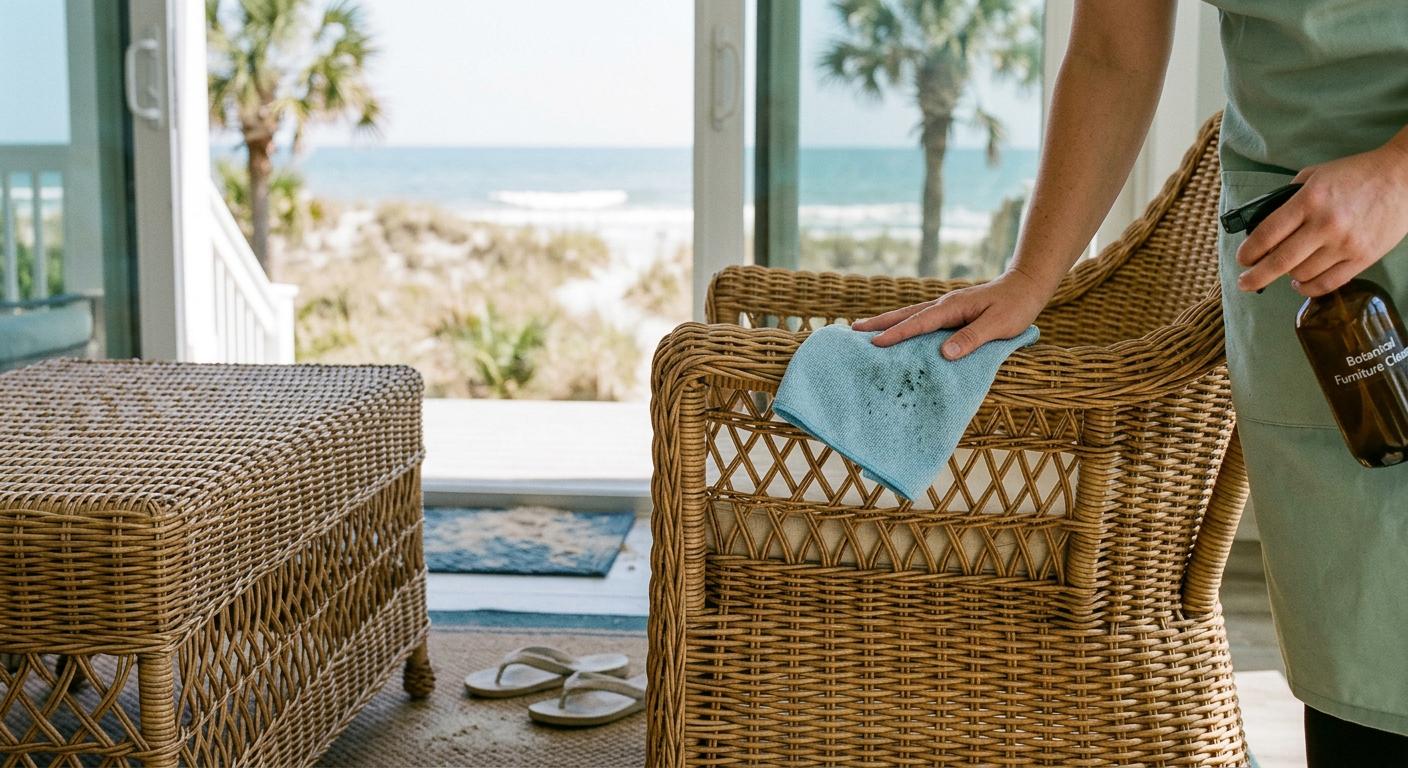
Organic design elements like rattan, wicker, and woven bamboo have become staples of Grand Strand interior design, lending a breezy, coastal aesthetic to homes from Little River to Garden City. However, the very characteristics that make these natural materials visually appealing—their porous surfaces, intricate weaves, and hollow structural cores—also make them exceptional traps for coastal humidity, fine beach sand, pet dander, and airborne mold spores. When indoor relative humidity climbs, these woven fibers act as moisture sponges, creating dark, damp microclimates that invite fungal colonization and allergen buildup. Implementing a structured, non-toxic decontamination protocol is essential to preserving both the physical integrity of these pieces and the indoor air quality of your coastal home.
The Anatomy of Woven Fibers as Environmental Traps
Natural furniture materials such as rattan, wicker, bamboo, and sea grass are highly organic and hydrophilic. Unlike synthetic plastics or sealed metals, these plant-based fibers possess open capillary structures that naturally draw in moisture from the surrounding coastal atmosphere. In the Grand Strand's high-humidity climate, outdoor air laden with moisture frequently makes its way indoors, where these fibers absorb it like a sponge. This constant moisture absorption softens the outer protective lignin of the wood, making it highly susceptible to environmental degradation and structural weakening.
Furthermore, the physical construction of woven furniture creates thousands of microscopic pockets, overlapping joints, and blind crevices. These structural recesses act as physical sieves, capturing airborne particulate matter that circulates through your home. Fine beach sand, pet dander, sloughed skin cells, and microscopic pollen grains drift into these tight weaves and settle deep within the joints. Once trapped, this organic debris becomes an abundant food source for dust mites and various fungal species, compounding the allergy load inside your living spaces.
Over time, the accumulation of this organic dust layer within the tight weaves forms a stable biofilm. This biofilm is highly resistant to casual surface dusting or light vacuuming. When guests sit on these chairs or brush past woven decorative panels, they compress the fibers, releasing clouds of microscopic allergens and mold spores back into the breathing zone. To break this cycle, homeowners must look beyond surface aesthetics and understand how these materials harbor unseen pollutants that degrade indoor air quality.
Identifying the Bio-Film: Salt-Dust, Mold Spores, and Dust Mite Colonization
Distinguishing between ordinary coastal dust and an active microbial colony on woven furniture requires a trained eye. Ordinary dust in the Grand Strand area often carries a gray, powdery appearance, enriched with fine silica sand and microscopic salt crystals. However, when mold begins to colonize woven fibers, the accumulation takes on a different physical characteristic. Active mold growth usually presents as patchy, velvety spots that can range in color from stark white and pale green to deep charcoal gray or black, depending on the specific fungal strain.
The scent profile is another critical indicator of biological colonization. A musty, earthy odor emanating from a rattan chair or a wicker headboard is a clear sign that mold is actively digesting the organic starches within the plant fibers. This odor is caused by volatile organic compounds released by the fungi as they feed. If left unaddressed, these mold spores will spread to nearby textiles, soft furnishings, and drywall, transforming a single piece of furniture into a launching pad for a home-wide indoor air quality issue.
Dust mites also thrive in these identical microclimates. While invisible to the naked eye, their waste products are potent allergens that trigger sneezing, itchy eyes, and respiratory distress for sensitive family members. Woven fibers that host both mold and dust mites create a synergistic allergen reservoir. Understanding the difference between dry salt-dust and active biological growth ensures that you apply the correct decontamination methods rather than simply relocating the dust to another room during cleaning.
The Danger of Conventional Bleach and Harsh VOC Cleaners on Natural Fibers
When faced with mold or discoloration on natural furniture, many homeowners instinctively reach for household chlorine bleach or harsh chemical disinfectants. However, using bleach on natural materials like rattan and wicker is a counterproductive practice that inflicts severe, irreversible damage. Chlorine bleach is highly alkaline and corrosive; it aggressively breaks down the natural lignin and cellulose fibers that give wood its structural strength. This chemical attack dries out the fibers, causing them to split, fray, and lose their natural elasticity, drastically shortening the lifespan of the furniture.
In addition to structural damage, chlorine bleach does not effectively eradicate mold on porous substrates. Bleach contains a high concentration of water, which is left behind as the chlorine evaporates rapidly. The mold roots, or hyphae, which penetrate deep into the porous wood fibers, survive the superficial chemical exposure. The leftover water then sinks into the wood, actually feeding the mold roots and triggering a rapid rebound of growth within days of treatment. Furthermore, the strong fumes off-gas harmful volatile organic compounds that irritate the lungs of asthmatics and chemically sensitive individuals.
Similarly, commercial petroleum-based aerosol polishes and silicone sprays should be avoided. These products leave a sticky, synthetic film over the natural fibers. This residue acts as an environmental adhesive, trapping fresh sand, salt, and dust directly onto the furniture surface while sealing moisture inside the wood. To preserve both the health of your family and the longevity of your coastal furniture, you must transition to botanical, pH-balanced, non-corrosive solutions that neutralize pathogens without degrading the organic substrate.
Phase 1: High-HEPA Extraction and Mechanical Crevice De-Sanding
The first critical step in restoring and decontaminating woven furniture is the complete mechanical removal of loose dry particulate matter. This phase must be executed prior to applying any liquid solution, as adding moisture to dry sand and dust creates an abrasive mud that gets pushed deeper into the woven crevices. To achieve this, use a high-efficiency particulate air (HEPA) vacuum. A true HEPA vacuum ensures that microscopic allergens, mold spores, and dust mite parts are captured and contained within the machine, rather than exhausted back into your home's air supply.
Equipping your HEPA vacuum with the proper attachments is key to protecting the delicate fibers. A soft-bristle dusting brush or a long-bristled upholstery tool is ideal. Avoid stiff plastic nozzles that can gouge or scratch the furniture's protective clear coat. Work systematically from the top of the furniture piece downward, using gentle, circular motions to agitate and dislodge the stubborn sand and salt grains trapped within the overlapping weaves. Pay special attention to the underside of seats, behind decorative joints, and where the legs meet the main frame.
For exceptionally tight or intricate weaves, supplement the vacuuming with a dry, medium-soft detailing brush or a clean paint brush. Gently sweep the bristles through the crevices ahead of the vacuum nozzle to capture the dislodged particles instantly. This meticulous dry extraction process removes the vast majority of the organic food sources that dust mites and mold rely on, clearing the way for effective sanitization.
- Always use a true HEPA-certified vacuum to prevent the recirculation of fine beach sand and microscopic mold spores.
- Select soft-bristle horsehair brush attachments to safely agitate particles without scratching the fiber finishes.
- Vacuum systematically from top to bottom, ensuring all gravity-settled dust is captured.
- Utilize dry detail brushes to sweep out deep-seated sand from tight overlapping joints.
- Never wet the furniture before completing a thorough dry vacuuming pass.
Phase 2: Botanical Sanitization and pH-Balanced Micro-Mist Treatment
Once the dry particulates have been extracted, you can safely proceed to chemical sanitization. The goal of this phase is to eliminate mold spores and bacteria without introducing toxic chemicals or saturating the wood. A botanical disinfectant containing thymol (derived from thyme oil) or a mild, pH-balanced citric acid solution is highly recommended. These natural agents penetrate the cell walls of mold and bacteria, neutralizing them effectively while leaving behind no hazardous chemical residues or synthetic fragrances that compromise indoor air quality.
Application method is just as important as the chemical selection. Rather than pouring, soaking, or heavily spraying the furniture, use a fine micro-mist sprayer or a pressurized hand-pump mister. This technique allows you to distribute a light, even layer of the botanical sanitizer over the woven surface without oversaturating the porous fibers. The mist should sit on the surface long enough to meet the manufacturer's recommended contact time for disinfection—typically five to ten minutes—without pooling in the crevices.
If you are mixing your own mild solution, combine warm water with a small amount of botanical castile soap or a few drops of high-quality tea tree oil, which possesses natural antifungal properties. Dampen a clean, lint-free microfiber cloth with this mixture, wringing it out thoroughly until it is barely damp. Wipe down the entire surface, ensuring the solution makes contact with all exposed weaves. This controlled dampness sanitizes the wood surface while preventing the water from penetrating too deeply into the core of the fibers.
Phase 3: Deep Crevice Detail and Agitation Protocols
Even with micro-mist spraying, stubborn bio-films and deep mold spots inside the weaves require targeted manual agitation. To address these areas safely, use a soft-bristled detail brush or an old, soft-bristled toothbrush. Lightly mist the brush bristles with your botanical sanitizing solution, then gently scrub the affected crevices in the direction of the weave. Avoid aggressive scrubbing, which can fray the natural fibers or peel away the protective clear varnish.
For highly intricate decorative work, cotton-tipped detailing swabs can be used to reach deep inside joints where mold colonies often hide. Dampen the swab with the botanical solution and press it into the tight corners, rotating it to lift out any trapped grime or mold residue. This step requires patience, but detailing these hidden micro-zones is the only way to guarantee that mold will not quickly return from its deep-seated hiding spots.
As you work, keep a dry, clean microfiber cloth in your non-dominant hand. Immediately wipe away any excess liquid, loosened dirt, or dissolved grime that rises to the surface during agitation. Keeping the surface as dry as possible during the cleaning process prevents moisture from soaking into the vulnerable end-grain fibers of the rattan or bamboo.
Phase 4: Controlled Moisture Management and Dehumidification Drying
The success of any natural fiber cleaning protocol hinges entirely on the drying phase. Because natural materials are highly hygroscopic, any moisture introduced during cleaning must be evaporated rapidly to prevent structural warping, splitting, and the immediate germination of remaining mold spores. Never clean rattan or wicker furniture on a humid Grand Strand day and leave it to air-dry naturally outdoors, as the ambient humidity will prevent proper drying and invite rapid re-infestation.
Instead, move the cleaned furniture into a closed, climate-controlled indoor environment. Position a portable dehumidifier in the room and set it to a target relative humidity of 35 to 40 percent. Supplement the dehumidifier with a high-velocity air mover or a strong floor fan pointed directly at the furniture piece. This setup creates continuous, dry airflow that quickly pulls moisture out of the deep crevices and evaporates it into the air, where the dehumidifier extracts it.
Allow the furniture to dry completely for a minimum of 24 to 48 hours before returning any cushions, pillows, or throws to the seats. Placing cushions back onto damp wicker traps moisture beneath the fabric, creating an ideal breeding ground for mold and mildew that will quickly ruin both the cushion and the wood. Patience during this drying phase is your best defense against recurring biological growth.
- Never dry natural wood or woven furniture outdoors in high coastal humidity.
- Set an indoor dehumidifier to 35-40% relative humidity to accelerate deep-fiber drying.
- Position high-velocity floor fans to circulate dry air directly over and under the furniture.
- Allow a full 24 to 48 hours of drying time before placing cushions back onto the seats.
- Touch-test all deep crevices to ensure absolute dryness before returning the furniture to service.
Proactive Environmental Controls: Maintaining Low-Allergen Coastal Interiors
Keeping your beautifully restored rattan and woven furniture free from mold and allergens over the long term requires ongoing environmental vigilance. In the Grand Strand area, managing indoor relative humidity is the single most important factor. Keep your home’s air conditioning system set to 'Auto' rather than 'On' to ensure the system effectively dehumidifies the air during its cooling cycles, and aim to maintain indoor relative humidity consistently below 50 percent year-round.
In addition to climate control, incorporate your woven furniture into your weekly cleaning routine. Perform a quick, dry HEPA vacuuming pass over the woven surfaces to remove settling dust, pet dander, and salt particles before they can bond with humidity and form a tough bio-film. If your home has large sliding doors or windows that remain open to catch ocean breezes, increase the frequency of these vacuuming sessions, as coastal breezes carry high amounts of microscopic salt and moisture.
Finally, consider applying a natural, breathable protective finish to your natural fibers once they are completely clean and dry. A thin coat of pure tung oil or a natural beeswax polish can seal the microscopic pores of the wood, creating a water-resistant barrier that prevents humidity absorption without releasing harmful VOCs into your home. This simple, non-toxic step significantly reduces the vulnerability of your coastal furniture, ensuring it remains safe, healthy, and beautiful for years to come.
Key takeaway
Natural fiber furniture brings beautiful coastal charm to Grand Strand homes, but its porous structure requires specialized, non-toxic care to prevent mold and allergen accumulation. By adopting a structured botanical decontamination and moisture-controlled drying protocol, you can protect your indoor air quality and enjoy your coastal decor safely. For professional, green-certified deep cleaning and environmental preservation in Myrtle Beach, contact the experts at A2Z Cleaning & Linen Services at 843.800.2788.
Keep Reading
Coastal Living
The Coastal Sliding Glass Door Track and Weep-Hole Decontamination Protocol: Mitigating Mold Bio-Sludge, Wind-Driven Allergens, and Chemical Runoff in Grand Strand Homes
ReadCoastal Living
The Cost of Restoring Coastal HVAC Supply Grilles and Register Surrounds: Mitigating Condensation Rust, Mildew Spores, and Paint Peeling in Grand Strand Homes
ReadCoastal Living
The Coastal Window Treatment and Blackout Drapery Sanitization Protocol: Mitigating Humid Mold Spores, Pollen Reservoirs, and VOC-Free Allergen Release in Grand Strand Homes
ReadReady for a spotless property?
Call 843.800.2788 or request a free quote from A2Z Cleaning & Linen Services.