Vacation Rentals
The Coastal Vacation Rental Balcony Furniture, Hammock, and Outdoor Lounger Turnover Protocol: Mitigating Salt-Air Film, Seagull Droppings, and Rust Stains under Grand Strand Saturday Turn Pressures
A professional guide for Myrtle Beach property managers to master balcony turnovers, eliminate salt-crust and biological soils, and protect 5-star reviews during busy Saturday turns.
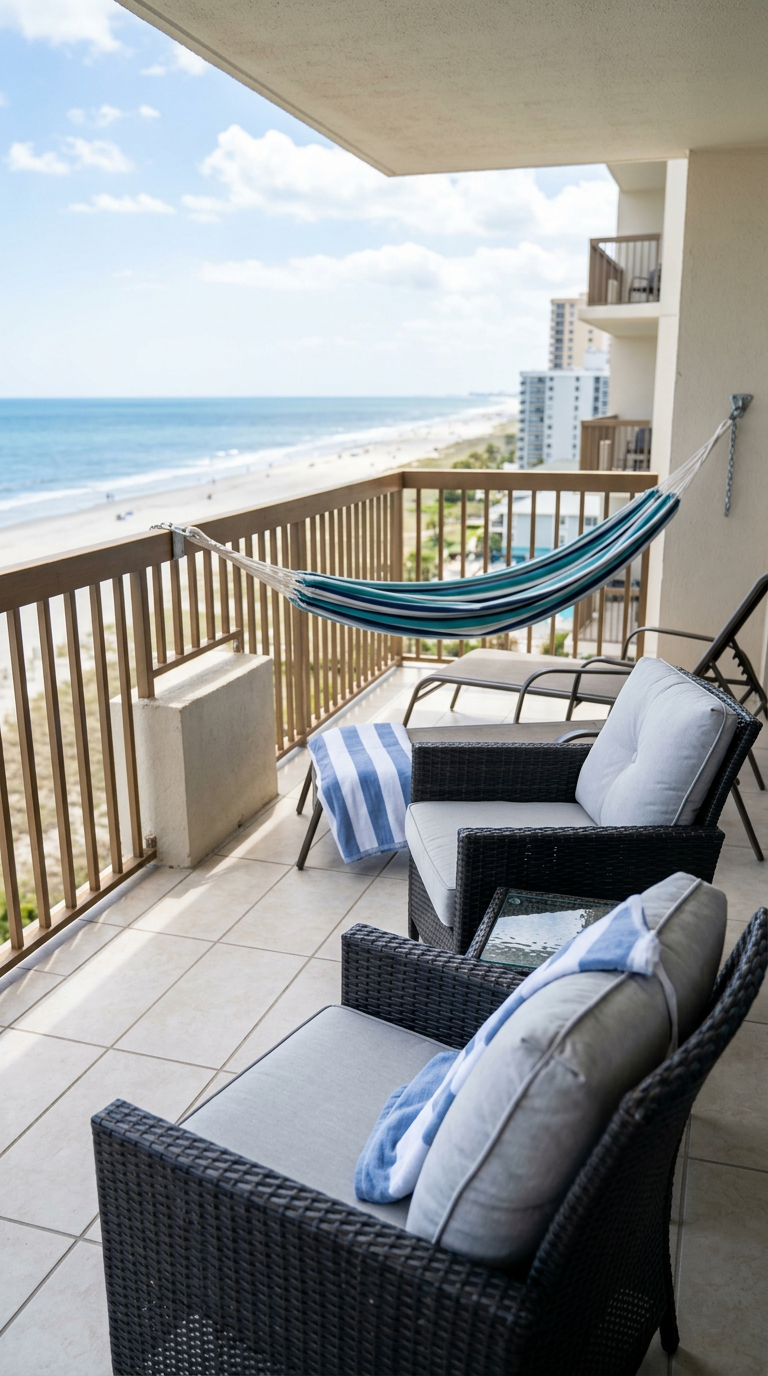
For Grand Strand vacation rentals, the ocean-view balcony is the ultimate selling point that commands premium nightly rates. However, this high-exposure outdoor living zone is also the first area guests inspect when they arrive at their beach destination. Neglected outdoor furniture quickly accumulates sticky salt-air film, abrasive sand, rust runoff, and unsanitary bird droppings that can ruin a guest's first impression. Implementing a structured, professional-grade balcony turnover protocol is essential for local hosts and property managers to protect their listings from platform cleanliness penalties and secure five-star guest reviews.
The First Impression and the Balcony Reality Check
In the competitive Grand Strand vacation rental market, the balcony is often the primary reason guests choose a specific condo or beach home. The moment travelers unlock the door of their Myrtle Beach rental, they head straight to the sliding glass door to step outside and experience the ocean view. If their first physical interaction with the property is stepping onto a sandy floor or touching a sticky, salt-crusted handrail, their perception of the property's overall cleanliness is immediately damaged.
This initial touchpoint sets the tone for the entire guest stay and heavily influences their subsequent review behavior on major platforms. A dirty outdoor space signals to guests that indoor housekeeping may also be substandard, leading to hyper-critical inspections of beds, kitchens, and bathrooms. Conversely, a clean, inviting, and odor-free balcony invites immediate relaxation, building instant trust between the guest and the property manager.
Housekeeping teams under tight Saturday turn pressures often treat balcony furniture as an afterthought, giving it a superficial wipe or ignoring it entirely. To maintain premium positioning, property managers must integrate outdoor cleaning into their core turnover checklists. Treating the balcony with the same level of care and sanitization as a master bedroom or high-use kitchen ensures a seamless transition that protects your property's rating and bottom line.
High-Velocity Salt-Air Film and the Science of Sticky Surfaces
The unique sub-tropical climate of the Grand Strand creates a challenging environment for outdoor furniture. As ocean waves break along our coastline, microscopic salt spray is carried by sea breezes directly onto balcony areas. When this airborne salinity meets high summer humidity, it forms a sticky, magnetic film on plastics, metals, and woven materials. This film actively traps blowing sand-grit, pollen, and vehicle emissions, creating a tacky texture that simple dusting cannot resolve.
Standard multi-surface spray cleaners are generally ineffective against this heavy coastal build-up, frequently leaving cloudiness, streaks, or a soapy film that attracts even more grit. Housekeepers must utilize a balanced, neutral pH surfactant solution that breaks the ionic bond of the salt without stripping the UV-protective coatings on resin or vinyl. Applying the solution with microfiber materials allows the dirt and salt to be lifted and locked away, rather than just smeared across the frames.
The structural design of modern outdoor furniture, such as woven resin wicker or slatted synthetic wood, complicates the cleaning process by trapping salt and sand deep within its textured grain. Over time, these trapped abrasive particles can cause material degradation and user discomfort. A standardized wet-cleaning and rinse process is required to flush these hidden reservoirs, keeping the furniture feeling smooth and looking fresh for every incoming guest.
The Seagull and Pigeon Dropping Sanitization Protocol
Avian waste is an inevitable operational challenge for coastal properties along the Grand Strand. Beyond being highly unsightly, seagull and pigeon droppings carry potential pathogens, making them a legitimate biological hazard. When guests encounter bird droppings on balcony seating, cushions, or hammocks, it often prompts immediate refund demands and escalated customer service complaints on booking channels.
Housekeeping teams cannot simply scrub dry bird waste away, as doing so can aerosolize hazardous particles. Safe removal requires a precise decontamination sequence that begins with softening the dried organic matter. Housekeepers must apply an EPA-registered, botanical disinfectant to the affected area and allow it to sit for the manufacturer-recommended dwell time, which physically loosens the debris while neutralizing harmful microbes.
Once the waste is fully softened, it must be carefully wiped away using disposable, biodegradable cloths to prevent cross-contamination of other surfaces or indoor cleaning tools. The area should then be cleaned with soapy water and a fresh microfiber cloth to remove any shadow stains. If fabric cushions or cotton hammock ropes are heavily soiled, they must be pulled from service and replaced with pre-laundered spares to ensure guest safety.
- Always wear appropriate personal protective equipment (PPE), including gloves, when handling bird waste.
- Avoid dry-scraping biological deposits to prevent releasing airborne pathogens into the breathing zone.
- Apply an EPA-registered botanical disinfectant and respect the full wet contact dwell time before wiping.
- Dispose of all soiled cleaning cloths immediately in a sealed trash bag, never reusing them on indoor surfaces.
- Rotate out stained or heavily compromised textile items for professional-grade laundering.
Managing Rust Runoff and Metal Oxidation Marks
The corrosive combination of salt-laden air and moisture quickly oxidizes exposed steel fasteners, frame welds, and moving metal joints. Even powder-coated aluminum furniture often relies on steel screws that rust within a single beach season. This oxidation produces a bright orange or brown liquid runoff that drips down frame legs, staining the furniture itself and leaving unsightly, stubborn streaks on balcony concrete or tile floors.
When rust transfers onto a guest's clothing, beach towels, or personal items, it often leads to property damage claims and negative reviews. During the Saturday turn, housekeepers must inspect the structural joint points and feet of all metal furniture. Active rust should be treated with a safe, non-corrosive rust converter or a mild acidic spot treatment, such as oxalic acid, to halt the chemical process and lift the stain.
To prevent floor damage, property managers should confirm that all outdoor furniture legs have intact plastic or rubber glides. These glides keep the metal frame elevated off the damp balcony surface and protect the powder coating from scraping off during guest use. If floor staining has already occurred, specialized rust treatments must be applied to the tile or concrete during the turnover, followed by a thorough rinse to restore a clean look.
Outdoor Fabric, Cushion, and Hammock Turn Inspection
Outdoor fabrics like Sunbrella, polyester canvas, and woven rope hammocks add immense aesthetic appeal, but they act as sponges for environmental soils. Over a busy rental week, these materials absorb body oils, sunscreen, sweat, spilled drinks, and fine sand. In our warm Grand Strand climate, this organic buildup quickly triggers mold and mildew growth, emitting an unpleasant, musty odor as soon as the balcony door is opened.
During the turnover inspection, housekeepers must touch and smell all outdoor fabric elements. Any cushion that feels damp must be propped up vertically on its edge to maximize airflow and speed up drying before the next check-in. If a cushion smells heavily of mildew or shows dark spotting, it must be swapped with a clean, dry backup from the owner's locked supply closet, as on-site mold remediation is impossible during a four-hour turn.
Housekeeping teams should vacuum or brush sand and hair out of fabric seams and tufts. Next, apply a light mist of a fabric-safe, active odor-eliminator to neutralize mustiness without relying on heavy artificial fragrances. Rope hammocks must also be inspected for dry-rot, broken cords, and secure wood spreader bars, ensuring the amenity remains safe, clean, and structurally sound for incoming guests.
- Inspect and smell all cushions, pillows, and hammocks during every single Saturday turn.
- Prop damp cushions vertically to allow rapid air-drying in the natural coastal wind.
- Vacuum sand, pet hair, and environmental debris from fabric seams, folds, and tufts.
- Replace musty, moldy, or heavily stained outdoor textiles with clean backups from owner inventory.
- Apply a residue-free, active odor-eliminator to neutralize mustiness instead of masking it.
The Saturday Turn Efficiency Checklist for Balcony Maintenance
To achieve consistent results within tight Saturday scheduling constraints, housekeeping crews require a structured, linear workflow for balcony care. The balcony should never be treated as a final, rushed step as the housekeeper is walking out the door. Instead, it must be addressed early in the turn sequence, giving wet-cleaned furniture and mopped floors ample time to dry naturally in the sea breeze before guest arrival.
The process begins with removing trash, clear-bagging forgotten beach toys, and shaking out any outdoor entry mats. The housekeeper then sweeps the ceiling corners to remove spider webs and pest nests, working downward to sweep sand and loose dirt off the floor. Once dry soils are cleared, the housekeeper sprays the handrails, tables, and chairs with a dilute surfactant solution, wipes them clean with microfiber, and treats any bird droppings.
The final phase involves mopping the balcony floor with a damp microfiber flat mop and a low-residue neutral cleaner, working backward from the far railing to the sliding door to avoid footprints. Once back inside, the housekeeper locks the sliding door and cleans both the interior and exterior glass panels, leaving a streak-free, crystal-clear view of the ocean that acts as the ultimate welcome sign for your guests.
Protecting Your Listing's Online Reputation and Star Ratings
In the digital vacation rental marketplace, guest expectations are driven entirely by listing photographs. If your online profile features a spotless balcony with plush cushions and a sparkling glass railing, the guest expects that exact physical reality when they arrive. Any discrepancy—such as dirty furniture, sand-covered floors, or salt-fogged glass—leads to immediate disappointment and can spark platform cleanliness complaints.
With current search algorithms, maintaining a high star rating is critical for listing visibility and booking volume. A single review complaining about a dirty or unusable outdoor living space can drop a property's search ranking and lead to lost bookings. Property managers must realize that the balcony is not a secondary amenity; it is a high-value living area that guests evaluate just as closely as the master bathroom or kitchen.
Integrating a balcony inspection photo step into your quality assurance workflow ensures no detail is missed. Inspectors should take a quick photo of the clean balcony furniture, polished glass, and swept floor before clearing the unit for guest arrival. By treating your outdoor spaces with the same professional care as your interiors, you protect your digital reputation and deliver the exceptional coastal experience that guests are paying premium rates to enjoy.
Key takeaway
Maintaining pristine outdoor spaces is essential for securing five-star reviews in the Grand Strand vacation rental market. By implementing a systematic turnover protocol for balcony furniture, handrails, and fabrics, property managers can easily overcome the challenges of salt air, rust, and coastal pests. For professional assistance in keeping your short-term rental looking its best all season long, contact the expert team at A2Z Cleaning & Linen Services at 843.800.2788.
Keep Reading
Vacation Rentals
The Coastal Vacation Rental Refrigerator and Ice Maker Turnover Protocol: Mitigating Seafood Odor Residues, Condensation-Induced Mold, and Ice-Bin Biofilms under Grand Strand Saturday Turn Pressures
ReadVacation Rentals
The Coastal Smart-Fridge and Ice Maker Sanitation Protocol: Mitigating Hard-Water Scale, Seafood Odor Migration, and Chute Biofilms in Grand Strand Rental Turnovers
ReadVacation Rentals
The Coastal Vacation Rental Smart TV, Remote Control, and Media Console Turnover Protocol: Mitigating Sticky Sunscreen Residues, Sand-Choked Ports, and Guest Streaming Profile Reset Failures under Grand Strand Saturday Turn Pressures
ReadReady for a spotless property?
Call 843.800.2788 or request a free quote from A2Z Cleaning & Linen Services.