Vacation Rentals
The Coastal Vacation Rental Small Kitchen Appliance and Coffee Station Turnover Protocol: Mitigating Hard-Water Scale, Sticky Residues, and Moldy Reservoirs under Grand Strand Saturday Turn Pressures
Learn our professional protocol for cleaning and sanitizing coffee stations, blenders, and small kitchen appliances to eliminate mold, prevent hard-water scale, and secure five-star guest reviews.
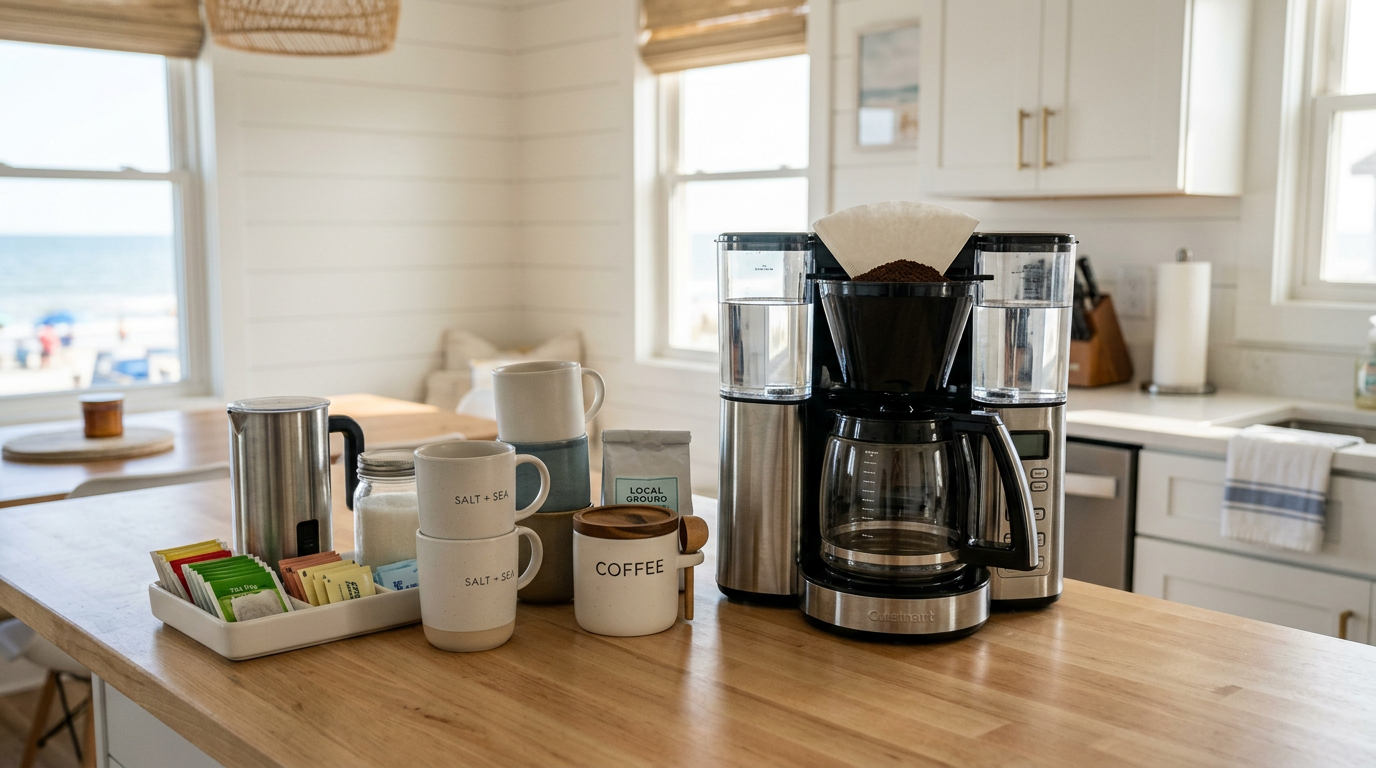
For Grand Strand vacation rental guests, the morning coffee is a sacred ritual that sets the tone for their entire beach vacation. Finding a coffee maker with a moldy water reservoir, a toaster full of old crumbs, or a blender smelling of a previous guest's seafood-marinade smoothie will instantly trigger a one-star review. During our high-velocity Saturday turnovers in Myrtle Beach, these small countertop appliances are often rushed or overlooked, yet they are high-touch areas scrutinized heavily by arriving visitors. Implementing a highly structured, systematic decontamination and presentation protocol for small kitchen appliances is essential to protecting your property's online rating and ensuring guest safety.
The High Stakes of the Morning Coffee: Why Countertop Appliances Drive Guest Reviews
In the competitive Myrtle Beach short-term rental market, guest reviews live or die by the first morning experience. After a long day of travel, guests want to wake up, enjoy a clean cup of coffee, and look out at the ocean. If they open the single-serve brewer reservoir only to find a pink ring of mold or a layer of white mineral crust, their trust in the entire home's cleanliness is immediately shattered. They will begin inspecting baseboards, under beds, and linens with a hyper-critical eye, looking for other housekeeping failures.
Small appliances are uniquely vulnerable in coastal environments because they combine warmth, moisture, organic food residues, and high human touch. Our local humid subtropical air accelerates the growth of mold spores in dark, enclosed chambers, such as closed water reservoirs and under-cabinet appliance cavities. When combined with the high mineral content of Grand Strand municipal water supplies, appliances can degrade quickly, suffering both cosmetic damage and mechanical failure if not systematically treated during every guest turn.
To prevent negative online feedback and prolong the operational lifespan of expensive countertop assets, property managers must move away from casual 'wipe-down' cleaning methods. A standardized, step-by-step checklist must be enforced on every Saturday turnaround. This protocol ensures that drip coffee makers, single-serve pod brewers, high-speed blenders, and toaster units are fully sanitized, descaled, and presented in a pristine, retail-ready condition that impresses even the most meticulous travelers.
The Single-Serve Pod Brewer Protocol: Needle Decontamination and Reservoir Sanitation
Single-serve brewers like Keurigs are standard in most Grand Strand rentals, but they are notorious harborers of bacteria and mold. The water reservoir is the primary zone of concern; because guests leave water sitting in closed reservoirs in a humid environment, pink yeast and black mold thrive. During the turn, the reservoir must be removed, washed with hot, soapy water, and disinfected using a food-safe botanical sanitizer. It should never be wiped dry with a standard rag, which introduces lint; instead, let it air-dry or use a clean microfiber cloth.
Next, the housekeeper must inspect the pod holder and the puncture needles. Dried coffee grounds frequently clog the exit needle, resulting in weak coffee, splashing, or mechanical errors that lead to guest maintenance calls. Using a clean paperclip or specialized needle-cleaning tool, our team clears out any compacted grounds from both the upper and lower needles. Wipe down the entire pod chamber housing with a warm damp cloth to remove sticky coffee splatters and residue left behind by previous guests.
Finally, the exterior housing, drip tray, and metal mug plate must be detailed. The drip tray often hides a pool of stale, stagnant coffee that breeds odors and gnats; this tray must be disassembled and washed completely. Wipe down the external buttons, touchscreens, and water reservoir lid to remove sticky fingers, sunscreen grease, and salt film. Leave the water reservoir empty and the pod chamber lid slightly propped open to allow air circulation and signal to the incoming guest that the machine has been thoroughly cleaned.
- Remove and wash the water reservoir and lid with warm, soapy water.
- Inspect and clear the pod puncture needles of packed coffee grounds using a clean tool.
- Disassemble and clean the drip tray and chrome mug plate.
- Sanitize all high-touch exterior buttons, screens, and handles with food-safe disinfectant.
- Leave the reservoir empty and clean to prove to the guest it has been freshly washed.
Drip Coffee Makers and Glass Carafes: Hard-Water Scale and Baked-On Residue
Traditional 12-cup drip coffee makers require meticulous care to eliminate stale smells and baked-on stains. The glass carafe is the centerpiece of this assembly. Glass easily holds onto bitter coffee oils, which turn rancid and ruin the flavor of new brews. Wash the carafe inside and out with warm water and dish soap. For stubborn, baked-on brown stains on the bottom of the glass, use a mixture of ice cubes, coarse salt, and a splash of vinegar; swirl vigorously to scour the stains away without scratching the glass.
The warming plate is another critical cleaning point. Spilled coffee baked onto a hot metal plate creates a burnt, smoking odor when the machine is turned on. Once the plate is completely cool, use a non-abrasive scrub pad with a baking soda paste to gently lift the baked-on crust. Avoid using harsh steel wool or abrasive cleansers, which strip the protective non-stick coating from the warming plate, leading to rapid rust development in our humid Grand Strand salt air.
Always open the filter basket lid to inspect the interior. Guests frequently leave soggy, moldy paper filters with wet grounds inside the basket when they check out. Discard the filter, remove the plastic filter basket insert, and wash it thoroughly to remove coffee oils. Wipe down the spray head above the basket where steam condenses and carries coffee oils upward. To combat Myrtle Beach's hard water, schedule a citric acid or white vinegar descaling run once a month during the off-season, and inspect the machine's water flow weekly.
High-Speed Blenders: Decontaminating Gaskets, Blade Assemblies, and Pitchers
Blenders are incredibly popular in beach rentals for mixing frozen drinks, milkshakes, and breakfast smoothies. However, they are also one of the most common sources of hidden mold and foul odors. The threaded collar, rubber O-ring gasket, and blade assembly are prime environments for organic matter buildup. If a housekeeper only rinses the blender pitcher without disassembling the base, sugary drink residues and dairy will pool under the rubber gasket, producing a sour, rotting odor within 24 hours.
During every turnover, the blender pitcher must be fully disassembled. Unscrew the bottom collar, remove the rubber gasket, and carefully extract the blade assembly. Wash all parts in hot, soapy water, using a small detailing brush to clean the threads of the collar and the underside of the blades. Check the rubber gasket for signs of cracking or mold colonization; if it is slimy or mold-stained, sanitize it with a diluted food-safe bleach solution or replace it immediately to prevent leaks during guest use.
Wipe down the heavy motorized base, paying close attention to the drive socket and control buttons. Sticky syrup, fruit juices, and alcohol easily drip down the sides of the pitcher and pool in the base's gear mechanism. Use a damp microfiber cloth and a mild degreaser to detail the buttons and rubber feet. Once dry, reassemble the blender loosely—do not over-tighten the collar, as this can pinch and warp the dry rubber gasket—and place it cleanly on the countertop with the cord neatly bundled.
- Unscrew the pitcher base collar to separate the blades, gasket, and pitcher.
- Scrub under the rubber O-ring gasket to remove hidden dairy and sugar residues.
- Detail the motor base socket and exterior control panel to eliminate sticky residue.
- Check plastic pitchers for cloudy film and scrub with baking soda to restore clarity.
- Reassemble loosely to preserve the rubber gasket's shape and elasticity.
Toasters and Toaster Ovens: Crumb Tray Audits and Pest Prevention
Toasters are notorious for accumulating dry crumbs that slide down to the bottom of the heating chamber. In coastal South Carolina, these crumb accumulations are more than just an eyesore; they are an open invitation to local pests like ants, mice, and palmetto bugs. Furthermore, excessive crumbs sitting near the electrical heating elements present a serious fire hazard when guests toast their morning bagels. Toasters must be thoroughly cleared of food debris during every single guest turnover.
Locate and slide out the crumb tray at the bottom of the toaster. Empty the crumbs directly into the trash and wash the tray with dish soap to remove grease or cheese drippings. Before sliding the tray back in, hold the toaster over the trash can, turn it upside down, and gently shake it at various angles. This dislodges trapped crumbs caught in the upper heating wires that cannot be reached by hand. Never stick metal utensils or fingers into the toaster slots, as this can damage the delicate heating elements.
Detail the exterior housing to ensure a premium presentation. Stainless steel toasters are fingerprint magnets and easily show salt-air spotting or greasy smudges. Wipe the exterior with an all-purpose cleaner, then buff with a dry microfiber cloth in the direction of the metal grain. Clean the push-down lever and shade-selector dial, which are high-touch points. For toaster ovens, clean the interior wire rack, the glass door (using a glass cleaner or degreaser), and the slide-out crumb pan to ensure a clean, odor-free experience.
Microwaves and Built-In Beverage Stations: Odor Extraction and Interior Detailing
Microwaves are heavily used for quick vacation meals and reheating local seafood leftovers. Consequently, they easily accumulate splattered grease, food sauce, and strong fish odors that ruin the kitchen experience for incoming guests. To clean a microwave efficiently on a tight Saturday turn, place a microwave-safe bowl filled with water and a few tablespoons of white vinegar or lemon slices inside. Run the microwave on high for three minutes to create a thick steam that loosens baked-on food.
Once the steam has softened the grime, carefully remove the bowl and the rotating glass turntable. Wipe down the interior ceiling, walls, and floor with a clean microfiber cloth; the splattered food will slide off easily without the need for harsh chemicals. Wash the glass turntable and its roller ring in the sink, dry them completely, and return them to the microwave. Pay special attention to the interior top panel, where greasy steam condenses, and the door seal gasket, which often traps crumbs.
The microwave exterior must look polished and clean. Clean the touchpad control panel, door handle, and exterior vents where dust and grease build up. If your vacation rental features an under-counter beverage center, wine cooler, or ice maker, wipe down the exterior glass doors and stainless steel handles. Check the interior of beverage coolers for sticky beverage ring spills on the wire shelves and wipe them down immediately to prevent mold and pest attraction.
Aesthetic Presentation and Restocking Workflows for Saturday Turns
Once every small appliance is sanitized and detailed, the final step is aesthetic staging. A disorganized countertop looks messy and unprofessional, whereas a beautifully staged coffee station feels like an upscale hotel. Align the coffee maker, toaster, and blender neatly on the counter, hiding their power cords out of sight behind the appliance housings or wrapping them securely with cord organizers. Make sure no cords are dangling near hot stoves or sink basins where they pose safety risks.
Restock the coffee station amenities according to your property's specific inventory list. Place a clean tray or basket next to the brewer containing a fresh supply of coffee pods, ground coffee bags, filters, sugar packets, creamer cups, and wooden stirrers. Ensure that any mugs provided are perfectly clean, free of chips or tea stains, and placed handle-out for easy guest access. This organized presentation reassures guests that the property is managed with care and high hospitality standards.
By treating the coffee station and small kitchen appliances as a dedicated checkpoint in your turnover checklist, you ensure your cleaning team never overlooks these high-impact items. Clean appliances prevent negative reviews, protect your kitchen from pest infestations, and prolong the life of your equipment. Partnering with a professional cleaning service like A2Z Cleaning & Linen Services ensures that these rigorous sanitation standards are executed flawlessly on every busy Saturday turnover along the Grand Strand.
- Hide or bundle appliance power cords neatly behind each unit to eliminate clutter.
- Stage the coffee maker, toaster, and blender symmetrically on the countertop.
- Restock a curated tray of coffee pods, filters, sugars, and fresh stirrers.
- Inspect mugs and glassware for chips, stains, or dust before placing them out.
- Implement a formal QC sign-off for small appliances before checking in the next guest.
Key takeaway
Small countertop appliances can make or break your vacation rental's first impression and online guest reviews. Implementing a strict, detailed decontamination protocol for coffee stations, blenders, and toasters protects guest health and prevents negative reviews under Saturday turn pressures. Trust A2Z Cleaning & Linen Services to maintain your Grand Strand property at a five-star standard; call us today at 843.800.2788.
Keep Reading
Vacation Rentals
The Coastal Coffee Station and Beverage Center Turnover Protocol: Mitigating Hard-Water Scale, Yeast Biofilms, and Sticky Syrups in Grand Strand Vacation Rentals
ReadVacation Rentals
The Coastal Vacation Rental Refrigerator and Ice Maker Turnover Protocol: Mitigating Seafood Odor Residues, Condensation-Induced Mold, and Ice-Bin Biofilms under Grand Strand Saturday Turn Pressures
ReadVacation Rentals
The Coastal Vacation Rental Beach Gear and Guest Amenity Storage Turnover Protocol: Mitigating Humid Sand Build-Up, Rust-Stained Fabrics, and Cooler Biofilms under Grand Strand Turn Pressures
ReadReady for a spotless property?
Call 843.800.2788 or request a free quote from A2Z Cleaning & Linen Services.