Coastal Living
The Consumer Guide to Restoring Coastal Outdoor Showers and Foot-Wash Stations: Costs, Safety, and Professional Extraction Standards in Grand Strand Homes
Learn the costs, safety protocols, and professional standards for restoring and maintaining coastal outdoor showers and beach foot-wash stations along the Grand Strand.
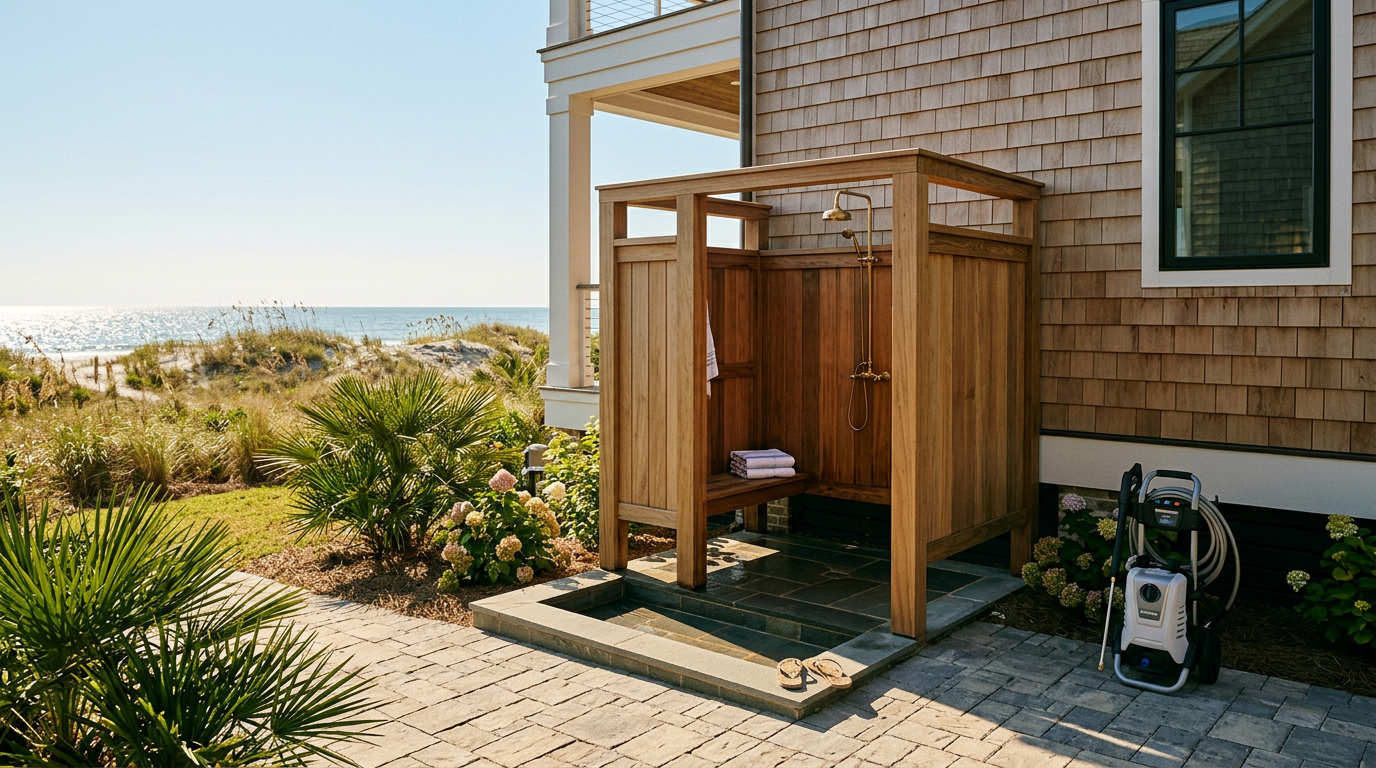
Along the Grand Strand, outdoor showers and foot-wash stations are essential barriers that keep beach sand, salt, and ocean debris from invading your home's interior living spaces. However, these highly utilized fixtures bear the brunt of harsh coastal weather, leading to rapid buildup of stubborn biofilm, sand-grit erosion, and salt-air oxidation. This comprehensive consumer guide outlines the realistic costs of restoration, the environmental safety concerns surrounding DIY chemical runoff, and the precise questions you must ask before hiring a professional service. By understanding these technical cleaning protocols, Myrtle Beach homeowners can protect their structural investments and preserve the hygiene of their outdoor living zones.
The Anatomy of Outdoor Shower Degradation in Coastal Environments
The unique microclimate of the Myrtle Beach coast accelerates the decay of outdoor fixtures faster than inland areas. As family members and guests rinse off after a day at the beach, they deposit a complex layer of fine quartz sand-silt, body oils, high-SPF sunscreens, and organic salt. In our high summer humidity, this layer bonds to the wood, vinyl, or stone substrates, creating an ideal breeding ground for biological contaminants. Pink mold, black mildew, and dense bacterial biofilms quickly colonize these damp, shaded spaces, turning a luxury amenity into a health hazard.
Sand acts as a destructive abrasive when stepped on or rubbed against the walls of your outdoor enclosure. As feet grind sand into the floor tiles, concrete pads, or wooden deck boards, it strips away protective sealants and exposes the raw material beneath to moisture intrusion. Once the protective barrier is compromised, salt air penetrates deep into the pores of wood or stone, causing rapid rot, splitting, and structural warping. Without targeted sanitization, the subfloor beneath the shower pan can rot away, leading to highly expensive structural failures.
Furthermore, the plumbing fixtures themselves undergo intense galvanic corrosion. Salt spray carries microscopic chloride ions that settle on brass, copper, and stainless steel showerheads and valves. As water dries, it leaves behind a crusty layer of calcium carbonate and magnesium salt, which clogs nozzles and binds mechanical handles. Over time, these minerals etch into the metal surfaces, leaving unsightly green or white scaling that cannot be removed by simple surface wiping or rinsing with a garden hose.
- Accumulation of sunscreens and body lipids that feed mold and mildew spores
- Abrasive quartz sand grinding away protective wood stains and stone sealers
- Salt-air corrosion forming crusty scale on brass and stainless steel fixtures
- High-humidity biofilm development leading to slick, dangerous flooring surfaces
The Financial Realities: Restoration Costs vs. Replacement Costs
Homeowners often underestimate the financial toll of neglecting an outdoor shower until the structure requires complete replacement. A standard pressure-treated wood or vinyl outdoor shower enclosure along the Grand Strand costs between $2,500 and $6,000 to construct from scratch, depending on plumbing complexity and material quality. In contrast, a professional deep cleaning, sanitization, and restoration service typically ranges from $350 to $950. Investing in periodic professional restoration preserves the existing structure, easily doubling its functional lifespan and saving thousands in capital expenses.
When evaluating professional quotes, understand that pricing depends heavily on the surface material and the level of degradation. Natural stone structures, such as slate, granite, or travertine, require highly specialized, low-pressure chemical extraction to prevent surface spalling and acid-etching, which falls on the higher end of the pricing spectrum. Wood structures require slow, meticulous cleaning followed by a neutralizing agent and re-sealing to prevent fiber splintering. These steps require technical expertise and expensive commercial-grade restoration chemistry, which justifies the cost over simple low-bid handyperson services.
Ignoring a fouled foot-wash or shower station also introduces indirect costs to your household. Sand and biological slime tracked into your main house damage indoor hardwood floors, carpet fibers, and tile grout lines, necessitating premature indoor flooring restoration. Furthermore, clogged outdoor shower drains can back up, causing pooling water that damages your home’s foundation or attracts unwanted pests like mosquitoes and termites. A professionally maintained shower acts as an affordable, effective filter that keeps the harsh coastal environment safely outside your home's perimeter.
- Basic vinyl enclosure restoration: $300 to $500 depending on hard-water buildup
- Premium wood or natural stone restoration and sealing: $600 to $1,200
- Complete replacement of a rotted wooden enclosure: $3,500 to $7,000+
- Indirect savings by preventing indoor tracking of abrasive beach sand and salt
The DIY Cleaning Hazard: Why Harsh Store-Bought Chemicals Backfire
Many well-meaning homeowners attempt to clean their outdoor showers using concentrated liquid chlorine bleach, pool shock, or acidic bathroom cleaners. While these chemicals might provide temporary cosmetic whitening, they cause severe, irreversible damage to both your property and the delicate coastal ecosystem. High-strength sodium hypochlorite (bleach) degrades the lignin in natural wood fibers, making the wood soft, fuzzy, and highly susceptible to rot. It also corrodes metal fasteners and plumbing brackets, structurally weakening the entire enclosure over a short period of time.
Acidic cleaners present an even greater risk, particularly to natural stone and concrete shower pans. Strong acids eat away at the calcium carbonate in natural stone, leaving dull, rough patches known as etching. Acid also dissolves the cement binders in grout lines, causing the grout to crumble away and allow water to seep behind walls and under floor surfaces. Once grout integrity is lost, sand-grit settles into the voids, permanently destabilizing the tile layout and requiring a full, costly re-grouting job.
Finally, we must address the environmental impact of DIY chemical runoff. Most outdoor showers along the Grand Strand drain directly into the surrounding soil, sand dunes, or local storm drains that lead straight to the ocean. Pouring harsh household bleach, phosphates, or non-biodegradable surfactants onto the ground poisons local coastal vegetation, degrades sandy soil structures, and harms marine life. Professional restoration relies on eco-friendly, biodegradable, botanical sanitizers that break down safely without harming the delicate coastal landscape we all cherish.
- Chlorine bleach degrades wood lignin, leading to soft, splintered surfaces
- Acidic DIY cleaners eat through tile grout and etch natural stone materials
- Harsh chemical runoff poisons coastal sandy soils and dunes near the shore
- Corrosive cleaners accelerate the oxidation of brass, copper, and steel fixtures
Professional Extraction and Restoration Protocols Explained
A true professional restoration is not a simple blast with a high-pressure washer. High pressure is incredibly destructive to coastal building materials; it can gouge soft cedar, strip vinyl coatings, and blow out fragile tile grout. Professional technicians utilize a specialized method known as soft washing combined with hot-water extraction. This system uses high-volume, low-pressure water heated to specific temperatures, allowing the temperature and customized cleaning agents to melt away oils and kill mold at the root, rather than relying on sheer physical force.
The first step in a professional protocol is a dry pre-extraction. Technicians carefully vacuum and sweep away loose sand-grit and dried salt crusts from the floors, corners, and drainage channels. Applying wet cleaning solutions directly to heavy sand accumulation simply creates a abrasive paste that is difficult to rinse out. Once the dry debris is completely removed, a balanced, substrate-specific cleaning solution is applied to break down sunscreens, body oils, and biological slime, allowing them to lift naturally from the porous surfaces.
After the cleaning solution has dwelled for the precise recommended time, a specialized surface cleaner or low-pressure flushing tool is used to rinse the contaminants away. This rinsing process is carefully directed toward appropriate drainage zones or captured using liquid recovery vacuums if environmental regulations require containment. Finally, once the surfaces are thoroughly dry, professionals apply a breathable, penetrating sealer to protect wood, stone, or grout from future moisture penetration, ensuring your outdoor shower remains clean and easy to maintain for months to come.
- Dry pre-extraction of heavy sand-grit to prevent abrasive surface scratching
- Application of low-pressure, heated water to melt sunscreen oils and biofilms
- Targeted chemical dwelling to kill mold spores down to the root structure
- Application of breathable, hydrophobic sealers to resist future salt-air attack
Crucial Questions to Ask When Hiring a Coastal Cleaning Company
Not all cleaning companies operating in the Myrtle Beach area are equipped to handle the unique demands of coastal outdoor restoration. When vetting a potential service provider, your first question should focus on their chemical safety and environmental runoff practices. Ask if their sanitizing agents are EPA-approved, biodegradable, and safe for coastal landscaping. A reputable company will happily share their safety data sheets and explain how they plan to protect your surrounding lawn, dune grass, or ornamental plantings from any cleaning runoff.
Next, inquire about their specific cleaning techniques and equipment. If a company tells you they plan to clean your wooden or stone shower enclosure using a standard, high-pressure residential wand, politely decline their services. You want to hear terms like 'low-pressure soft washing,' 'hot-water extraction,' and 'substrate-specific chemical balances.' Ask if they have experience with your specific material, whether it is premium Brazilian ipe, cedar, vinyl, or natural slate tile, as each material requires a completely different technical approach.
Finally, verify their insurance and business credentials. Outdoor shower cleaning involves working around exterior plumbing, electrical fixtures for outdoor lighting, and delicate landscaping. Ensure the company carries comprehensive general liability insurance and workers' compensation. A family-owned, locally operated business like A2Z Cleaning & Linen Services, reachable at 843.800.2788, maintains all necessary licenses and insurance, giving you peace of mind that your home and property are fully protected during the restoration process.
- Do you use biodegradable, eco-friendly sanitizers safe for coastal soils?
- Are your technicians trained in low-pressure, substrate-safe soft washing?
- Do you carry comprehensive general liability and workers' compensation insurance?
- How do you protect nearby plants, dune grasses, and landscaping from runoff?
Material-Specific Restoration: Wood, Vinyl, and Natural Stone Care
Each material used in outdoor shower construction requires a unique restoration chemistry to ensure a safe, long-lasting result. Wooden enclosures, often constructed from cedar, redwood, or pressure-treated pine, are highly porous and prone to wood-rot fungi. To restore wood, professionals use a mild alkaline cleaner to break down gray, sun-damaged wood fibers and mold, followed immediately by an organic acid neutralizer. This vital neutralizing step balances the wood's pH, restores its warm natural color, and prepares the wood fibers to properly absorb protective stains and sealers.
Vinyl enclosures are highly popular along the Grand Strand due to their low-maintenance reputation, but they are highly susceptible to electrostatic attraction. This attraction pulls fine sand-dust and black mold spores directly to the vinyl panels, creating stubborn black streaks. To restore vinyl without scratching or yellowing the plastic, professionals use non-abrasive, high-foaming surfactants combined with mild sodium percarbonate. This lifts the dirt and mold from the vinyl surface without degrading the UV-resistant outer coating that prevents the plastic from becoming brittle in the sun.
Natural stone and concrete pans represent the most delicate restoration challenge. Slate, flagstone, and concrete are easily damaged by acidic cleaners and high-pressure water streams. For these high-end materials, professionals use specialized, stone-safe alkaline cleaners and slow, rotating surface-cleaning discs. This removes embedded body oils and dark algae from the deep pores of the stone without blasting away the delicate grout lines. Once clean and fully dry, the stone must be treated with a high-performance penetrating sealer to prevent future salt-water absorption and staining.
- Wood: Requires pH-neutralizing chemistry to restore color and prepare for sealing
- Vinyl: Restored using non-abrasive surfactants to protect critical UV barriers
- Stone: Requires alkaline-only cleaners to prevent severe acid-etching damage
- Grout: Restored using low-impact rotating wash tools to prevent joint blowout
A Sustainable Homeowner Maintenance Plan Between Professional Visits
While professional restoration is essential for reversing deep-seated salt and mold damage, simple routine habits can significantly prolong the clean state of your outdoor shower. After each beach trip, encourage family members to use a low-pressure foot-wash hose first, keeping the bulk of sand outside the main shower enclosure. This prevents sand-grit from accumulating on the floor and grinding into the wood or tile surfaces. Additionally, a quick fresh-water rinse of the plumbing fixtures after use helps wash away chlorine and salt spray, preventing scale buildup.
Keep the shower enclosure well-ventilated to encourage rapid drying between uses. Trim back any overhanging tree branches, vines, or shrubs that block direct sunlight and airflow to the shower area. If your enclosure has a door, leave it slightly ajar when not in use to facilitate steady air movement. The faster the surfaces dry after a shower, the less opportunity mold, mildew, and slick bacterial biofilms have to colonize the wood, vinyl, or stone substrates.
Lastly, inspect the drainage system monthly to ensure water flows away quickly and completely. Sand-silt often accumulates in the drain trap or beneath the floorboards, causing water to pool and create a stagnant, humid environment. Clear away any dead leaves, pine needles, or sand drifts that block the drain path. If you notice persistent odors, slow drainage, or recurring dark spots that do not wash away, contact A2Z Cleaning & Linen Services at 843.800.2788 to schedule a professional evaluation and deep extraction before structural rot can set in.
- Trim surrounding foliage to maximize direct sunlight and natural ventilation
- Rinse metal showerheads and fixtures with fresh water to remove salt deposits
- Clear sand and organic debris from drains monthly to prevent standing water
- Leave enclosure doors slightly ajar to promote rapid drying of wet surfaces
Key takeaway
Restoring your coastal outdoor shower or foot-wash station protects your property value and prevents destructive beach sand and biological mold from migrating into your clean home. By avoiding harsh DIY chemicals and investing in professional, low-pressure hot-water extraction, you ensure a safe, hygienic, and long-lasting outdoor oasis. Contact the family-owned team at A2Z Cleaning & Linen Services at 843.800.2788 to schedule your outdoor restoration today.
Keep Reading

Coastal Living
The Cost of Restoring Coastal Outdoor Shower Enclosures: Managing Algae Biofilms, Salt-Water Scale, and Material-Safe Chemistry in Grand Strand Homes
ReadCoastal Living
The Cost of Restoring Coastal Outdoor Kitchens: Mitigating Salt-Air Stainless Pitting, Stone Etching, and Food-Grease Bonding in Grand Strand Homes
ReadCoastal Living
The Coastal Wicker, Rattan, and Woven Reed Furniture Decontamination Protocol: Mitigating Humid Mold Colonization, Allergen-Binding Crevices, and Fiber-Safe Botanical Restoration in Grand Strand Homes
ReadReady for a spotless property?
Call 843.800.2788 or request a free quote from A2Z Cleaning & Linen Services.