Coastal Living
The Cost of Restoring Coastal Copper, Brass, and Bronze Fixtures: Mitigating Salt-Air Verdigris Crust, Acidic Well-Water Etching, and Finish-Safe Metal Preservation in Grand Strand Homes
Discover the costs, safety, and step-by-step professional protocols for restoring and preserving valuable copper, brass, and bronze fixtures in Grand Strand coastal homes.
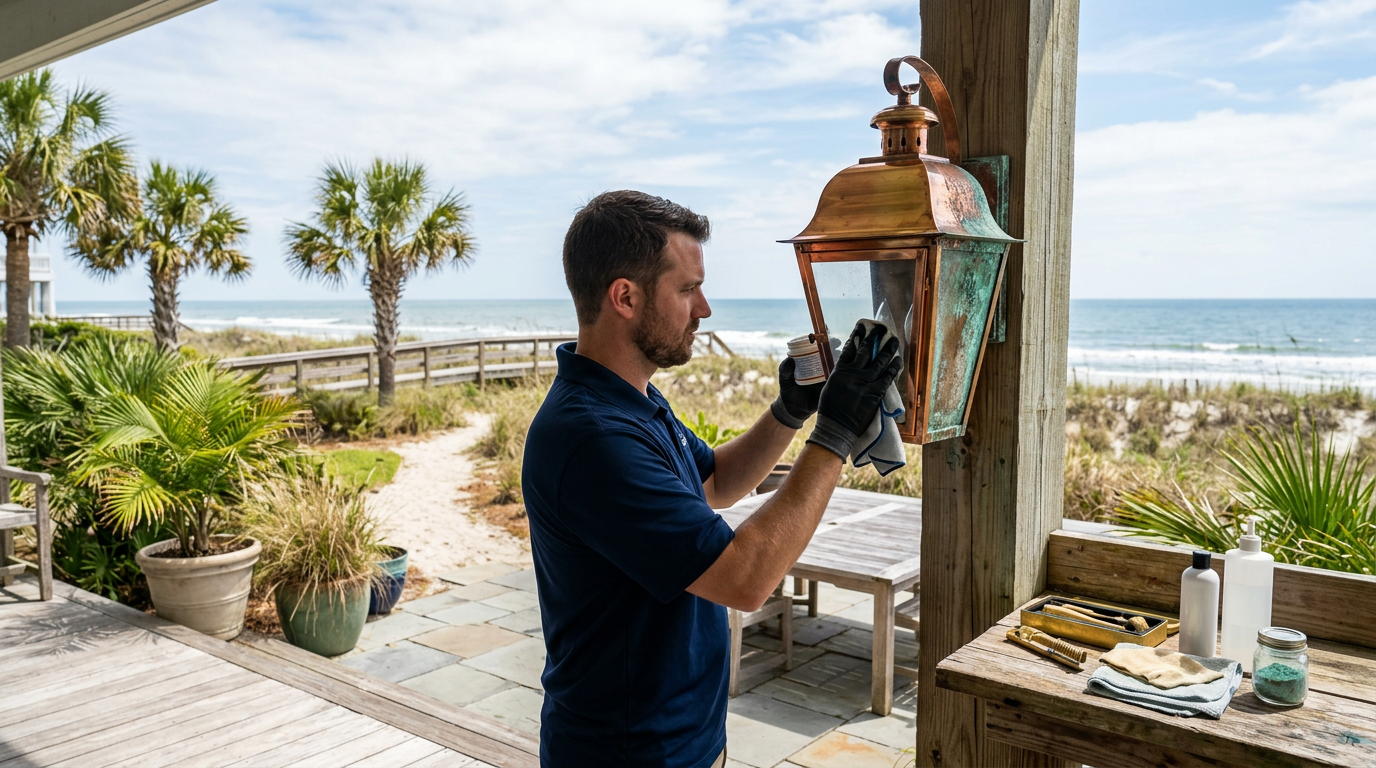
Coastal architectural details like solid brass handles, copper prep sinks, and bronze outdoor sconces bring unparalleled warmth and character to Grand Strand homes. However, the relentless salt-damp climate of Myrtle Beach and the surrounding coastal areas quickly turns these brilliant metals dull, brown, and eventually crusty green. Restoring these high-end fixtures requires a delicate balance of chemical knowledge, physical care, and material safety. Understanding the differences between DIY attempts and professional restoration can save homeowners thousands of dollars in avoidable replacement costs while preserving the home's structural beauty.
The Chemistry of Coastal Metal Oxidation: Why Salt Air Targets Copper, Brass, and Bronze
Coastal air is heavily saturated with moisture and microscopic sodium chloride particles carried by the ocean breeze. When these airborne salts settle on copper, brass (an alloy of copper and zinc), or bronze (an alloy of copper and tin), they create a highly reactive electrochemical cell on the metal's surface. This thin saline film acts as an electrolyte, accelerating the natural oxidation process of the underlying metal far faster than what occurs in drier, inland climates.
Over time, this continuous electrochemical reaction produces basic copper carbonate, commonly known as verdigris. This is the chalky, pale-green crust that binds tightly to the metal substrate. In brass fixtures, prolonged salt-air exposure can also trigger a destructive process called dezincification. This occurs when zinc is selectively leached out of the alloy, leaving behind a brittle, porous, copper-rich shell that is highly prone to structural cracking and permanent surface failure.
The oxidation problem is frequently compounded in Grand Strand homes by acidic well-water or municipal water high in dissolved minerals. When saline air from the outside meets mineral-heavy water from the inside, indoor plumbing fixtures degrade rapidly. This dual-front assault quickly turns a polished kitchen faucet or a satin-brass cabinet pull into a pitted, rough surface that compromises the home's high-end aesthetic and lowers visual appeal.
DIY vs. Professional Metal Restoration: Assessing the Damage Thresholds
Before attempting any restoration work, homeowners must accurately determine whether metal degradation is a simple surface tarnish or deep structural corrosion. Light tarnish, which typically appears as a dull yellow, brown, or black haze, can often be safely addressed with gentle DIY methods. These include using non-abrasive polishing cloths and mild, pH-neutral paste cleaners applied with soft microfiber towels and a light hand.
However, once thick green verdigris crust has formed or deep pitting is visible on the surface, DIY treatments often cause more harm than good. Well-meaning homeowners frequently resort to aggressive abrasive pads, steel wool, or highly acidic household chemicals like vinegar and lemon juice. These harsh tools create micro-scratches on the delicate metal surface and strip away factory-applied protective lacquer coats, leaving raw metal completely vulnerable to rapid re-oxidation.
Professional restoration specialists use specialized chemical chelators that isolate and dissolve the oxide layers without scratching or weakening the base metal. They can also determine if a fixture has a 'living finish' designed to patina naturally over time, or if it requires a high-gloss, sealed finish that demands precise, uniform buffing and professional-grade clear-coat reapplication.
Estimating the Costs: Budgeting for Coastal Fixture and Hardware Restoration
The cost of restoring copper, brass, and bronze fixtures varies significantly based on size, condition, and accessibility. For small hardware items, such as solid brass cabinet knobs or pull handles, professional off-site dip-and-polish services generally run between $15 and $35 per piece. These projects are highly labor-intensive, requiring individual handling, chemical oxide stripping, and hand-buffing.
Larger plumbing fixtures, such as kitchen faucets, shower heads, or bathroom vanity taps, typically cost between $150 and $400 each to restore on-site. This price reflects the complexity of working around surrounding stone or tile, sealing plumbing connections, and safely containing chemical runoff. For major architectural features like custom copper range hoods or heavy entry door handles, professional restoration costs can range from $500 to $1,800 depending on the design complexity.
While these numbers may seem significant, they represent a fraction of the cost of high-end replacement fixtures. Purchasing new marine-grade brass or solid bronze hardware often costs triple the restoration price, not including additional plumbing and carpentry installation fees. Investing in professional restoration preserves the home's original design integrity while keeping high-quality metals out of local landfills.
The Safety Hazards of Metal Polishing Agents: Protecting Indoor Air Quality and Family Surfaces
Traditional metal restoration products frequently contain high concentrations of ammonia, petroleum distillates, and oxalic acid. These chemicals emit strong volatile organic compounds (VOCs) that can quickly saturate indoor air, causing respiratory irritation, headaches, and dizziness. In tightly sealed, air-conditioned Grand Strand homes, these toxic fumes can linger in carpets and drywall for days, posing risks to children and sensitive family members.
Beyond inhalation risks, aggressive polishing chemicals present a severe hazard to surrounding household surfaces. Acidic runoff from copper polish can permanently etch and dull polished marble, travertine, or quartzite countertops. Additionally, strong chemical splatters can bleach adjacent stained wood cabinets, strip paint from walls, and permanently stain porcelain sinks if not immediately neutralized and removed.
To protect your family, pets, and home surfaces, professional restorers utilize advanced, low-VOC, biodegradable chelating formulas. These water-based compounds bind specifically to copper and zinc oxides, pulling them away from the metal surface without producing toxic fumes or presenting a corrosive threat to surrounding materials. This ensures a safe, odor-free indoor environment during and after the restoration process.
Key Questions to Ask a Professional Cleaning and Restoration Company
Before hiring a company to restore your valuable metal fixtures, it is vital to vet their technical expertise and surface protection protocols. Not all cleaning crews are trained in the metallurgy of brass and bronze, and using the wrong technician can permanently ruin your fixtures. Homeowners should request a detailed breakdown of the restoration process, chemicals, and equipment they plan to use.
Always confirm if the service provider carries comprehensive liability insurance that covers fine metal restoration and accidental damage to surrounding substrates like marble, granite, or custom cabinetry. A reputable company will happily share their safety data sheets and walk you through their physical containment strategy for protecting your home's interior.
Additionally, ask how they intend to preserve the metal once the restoration is complete. Without a high-quality sealant, freshly polished metals will begin to tarnish again within weeks of exposure to coastal air. Ensure their service includes a clear-coat application or a professional-grade wax treatment designed for humid marine environments.
- What specific training do your technicians have in restoring historic or high-end brass, copper, and bronze?
- Do you use non-off-gassing, low-VOC chelators, or do your products rely on heavy ammonia and solvents?
- How will you protect adjacent natural stone, wood, and painted surfaces from chemical runoff and physical abrasion?
- Are your services backed by a satisfaction guarantee and comprehensive liability insurance?
- Do you offer a protective clear-coat or museum-grade wax treatment to seal the metal post-restoration?
The Step-by-Step Professional Extraction and Restoration Protocol
A professional metal restoration begins with a meticulous cleaning phase to remove surface grease, skin oils, and salt deposits. Technicians use a mild, pH-neutral surfactant wash that lifts gritty coastal sand and salt crust without scratching the metal. This ensures the restoration chemicals can make direct, even contact with the oxidized layers beneath.
Once clean, the technician assesses the existing finish. If a damaged factory lacquer is present, it must be gently stripped using specialized solvents that do not damage the underlying metal. Next, a non-acidic chelating gel is applied to lift verdigris and tarnish. This gel is left to dwell, breaking down the copper oxides safely before being gently wiped away.
The final stage involves precision mechanical or hand-buffing using progressive grades of fine rouge compounds. This restores the metal's original luster, whether a bright mirror polish, a soft satin sheen, or a warm oil-rubbed bronze glow. Once the desired finish is achieved, the metal is chemically neutralized to stop all reactions, wiped clean, and prepared for sealing.
- Decontamination: Neutral-pH wash to remove salt, sand-grit, and surface oils.
- Lacquer Stripping: Safe chemical removal of degraded, yellowed factory clear coats.
- Oxide Chelation: Application of non-acidic gels to pull verdigris and tarnish out of metal pores.
- Progressive Buffing: Fine hand-polishing to restore original surface texture and luster.
- Neutralization: Chemical rinse to arrest all cleaning and polishing reactions.
Preventive Maintenance and Protective Coatings: Extending the Lifespan of Restored Metals
After investing in professional restoration, proactive maintenance is essential to combat the relentless coastal humidity. Applying a thin layer of museum-grade microcrystalline wax every six months is one of the most effective ways to preserve the metal. This wax forms a tough, hydrophobic barrier that prevents moisture and salt ions from contacting the metal surface.
Daily cleaning habits must also adapt to protect the restored finish. Homeowners should avoid using commercial window cleaners, abrasive scrubs, or harsh chemical sprays near polished metal. Instead, simply wiping the fixtures down with a clean, dry microfiber cloth after each use will remove corrosive skin oils and water spots before they can etch the surface.
For unlacquered brass and bronze fixtures—often called 'living finishes'—the goal is managing the patina rather than preventing it entirely. Regularly applying a light coat of food-grade mineral oil or high-quality lemon oil protects the metal from turning crusty green while allowing it to develop a rich, deep, antique-brown luster that complements coastal architecture.
Preserving Architectural and Aesthetic Value in Grand Strand Homes
The architectural details of a home tell a story of quality and craftsmanship. From the classic historic residences in Conway and Georgetown to modern luxury estates in Myrtle Beach and Murrells Inlet, brass and copper fixtures add unmistakable character. Keeping these elements free of green verdigris corrosion preserves the home's visual appeal and protects its long-term market value.
Neglecting metal fixtures often leads to permanent pitting, which ruins the structural integrity of the metal. Once deep pitting occurs, the smooth, reflective surface cannot be fully restored without extensive grinding, which thins the metal and ruins fine details. Early intervention and regular professional maintenance prevent this irreversible damage, keeping your home's custom hardware looking pristine.
For homeowners, property managers, and luxury hosts along the Grand Strand, partnering with a trusted cleaning specialist ensures these high-maintenance surfaces receive the expert care they deserve. By choosing finish-safe, family-friendly restoration methods, you can enjoy the timeless elegance of fine copper, brass, and bronze for generations to come.
Key takeaway
Restoring coastal metal fixtures requires specialized knowledge to prevent permanent surface damage from salt-air verdigris. By investing in professional, safety-conscious restoration and protective sealants, you can extend the life of your valuable brass, copper, and bronze hardware. For expert coastal home care and maintenance advice, contact A2Z Cleaning & Linen Services at 843.800.2788.
Keep Reading

Coastal Living
The Cost of Restoring Coastal Wood and Faux-Wood Plantation Shutters: Mitigating Salt-Damp Dust Cement, UV Yellowing, and Material-Safe Tension Restoration in Grand Strand Homes
ReadCoastal Living
The Cost of Restoring Coastal Kitchen Cabinets and Custom Millwork: Mitigating Salt-Damp Grease Bind, Polyurethane Softening, and Material-Safe Chemistry in Grand Strand Homes
ReadCoastal Living
The Cost of Restoring Coastal Luxury Vinyl Plank Flooring: Mitigating Micro-Sand Abrasion, Salt-Film Haze, and Chemical Sealer Damage in Grand Strand Homes
ReadReady for a spotless property?
Call 843.800.2788 or request a free quote from A2Z Cleaning & Linen Services.