Coastal Living
The Cost of Restoring Coastal Exterior Light Fixtures and Lanterns: Mitigating Salt-Air Oxidation, Glass Etching, and Safe Electrical Upkeep in Grand Strand Homes
Discover the true costs, safety protocols, and professional restoration methods for salt-damaged exterior lighting fixtures in Myrtle Beach and the surrounding coastal areas.
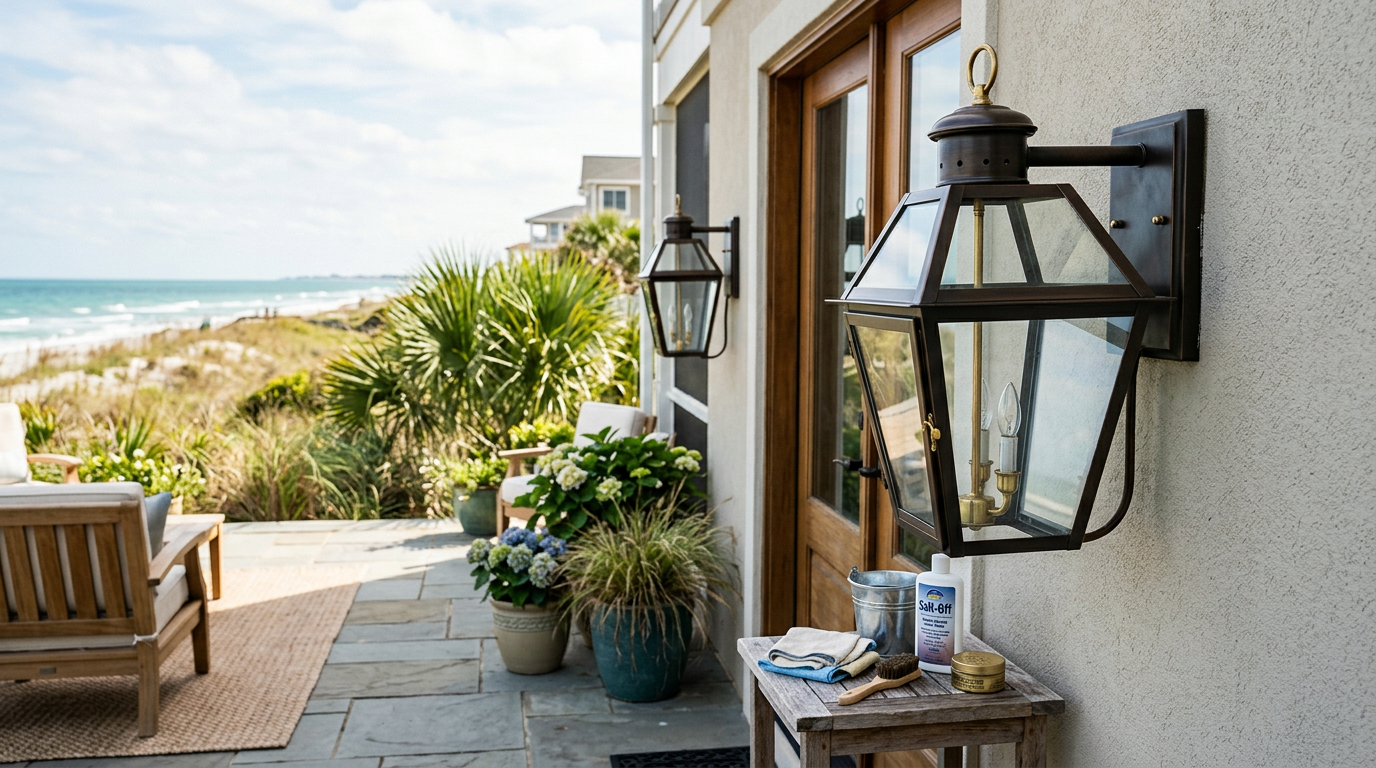
For homeowners along the Grand Strand, from the dunes of Cherry Grove to the marshfront estates of Murrells Inlet, the coastal environment is both a treasure and a relentless maintenance challenge. Exterior light fixtures and entry lanterns are among the first architectural elements to succumb to the destructive forces of salt spray, high humidity, and intense ultraviolet exposure. Left unmanaged, beautiful brass, copper, and cast aluminum fixtures quickly develop unsightly white oxidation, green crusts, and etched, cloudy glass. Understanding the economics, safety parameters, and technical realities of restoring these fixtures can save Grand Strand homeowners thousands of dollars in premature replacement costs.
The Coastal Light Fixture Challenge: Why Salt Air and Humidity Destabilize Exterior Metals
The coastal atmosphere of Myrtle Beach is saturated with sodium chloride particles, which find their way into every crevice of your home's exterior. When combined with our high relative humidity, these salt deposits create a highly conductive electrolyte film on metal surfaces. This film initiates galvanic corrosion, an electrochemical process that rapidly degrades metal alloy structures. Copper and brass fixtures develop copper carbonate, commonly known as verdigris, while cast or powder-coated aluminum fixtures experience pitting and 'white rust' that blisters the paint from the inside out.
Unlike inland areas where dust is easily washed away by rain, coastal salt deposits are hygroscopic, meaning they actively draw moisture out of the air. This keeps the surface of your outdoor lanterns damp even on dry, sunny days, accelerating the metal degradation. Stainless steel fixtures, often marketed as rust-resistant, are still susceptible to 'tea-staining'—a cosmetic corrosion that turns the gleaming metal a dull, spotty brown. Without intervention, this corrosion penetrates deep into the structural integrity of the fixture, freezing screws, degrading hinges, and ruining aesthetic appeal.
Understanding this unique chemistry is vital before attempting any restoration. Simply scrubbing these delicate fixtures with aggressive household cleaners or abrasive pads will strip away whatever protective clear coat remains, exposing raw metal to immediate, accelerated salt-air attack. Successful restoration requires a careful balance of chemical neutralization, physical deposit removal, and the application of specialized marine-grade barrier coatings.
The True Cost of Restoration: Professional Rates vs. Replacement Realities
When faced with heavily oxidized outdoor lighting, Grand Strand homeowners must weigh the costs of professional restoration against complete replacement. High-quality, marine-grade exterior lanterns typically cost between $300 and $1,200 per fixture, excluding electrical installation labor. For a home with eight to ten exterior fixtures, replacing them all can easily become a multi-thousand-dollar project. Professional restoration, by contrast, generally ranges from $120 to $250 per fixture, depending on the severity of the corrosion, the metal type, and accessibility.
A professional restoration estimate should include complete surface decontamination, chemical neutralization of active oxides, glass polishing, and the application of a high-performance, UV-stable protective sealant. It should also account for the labor required to safely work around delicate glass panes and electrical wiring. If a fixture has suffered structural metal loss or the internal socket assembly is completely rusted out, replacement may be the only viable path.
Homeowners should be wary of extremely low quotes for exterior metal cleaning. Cheap services often rely on harsh acid washes that provide a temporary brightening effect but strip the metal of its natural defense mechanisms, leading to rapid, severe blackening within weeks of the service. Investing in a professional restoration company that understands metallurgy and uses specialized coastal preservation techniques is the key to extending the life of your fixtures by several years.
- Average cost of high-quality marine-grade replacement fixture: $300 to $1,200+ per unit.
- Average cost of professional restoration: $120 to $250 per fixture.
- Average electrician installation rate for replacements: $75 to $150 per hour.
- Expected lifespan extension of restored fixtures with proper sealant: 3 to 5 years.
DIY Restoration: When is it Feasible and What are the Limits?
For hands-on homeowners, DIY restoration is highly feasible for light to moderate surface corrosion. If your brass lanterns are beginning to show minor green spots or your aluminum fixtures have light powdery deposits, you can often restore them using gentle household chelating agents and non-marring abrasives. The ideal tool for this is ultra-fine bronze wool (grade 0000), which removes surface oxidation without leaving tiny steel fibers behind. Standard steel wool should never be used on coastal fixtures, as embedded iron particles will quickly rust and cause severe orange staining.
The limits of DIY restoration are reached when corrosion has seized the mounting hardware or when the powder coating has completely delaminated from aluminum fixtures. Attempting to force corroded screws can easily break cast metal housings, rendering the entire fixture useless. Furthermore, if you notice brittle, cracked, or exposed electrical wiring inside the fixture socket, DIY efforts must stop immediately. Working around live voltage in damp coastal environments presents serious safety hazards.
Additionally, achieving a long-lasting protective barrier requires specialized commercial-grade polymer sealants or marine-grade waxes. While carnauba wax can be used by DIYers, it breaks down quickly under the intense heat of the Carolina summer sun, requiring reapplication every six to eight weeks. Professional restorers have access to cross-linking acrylic sealants and ceramic coatings that bond at a molecular level to withstand salt and UV rays.
Chemical Safety and Environmental Product Selection in Coastal Areas
Chemical safety is paramount when working on the exterior of Grand Strand homes. Many traditional metal restorers contain harsh mineral acids, such as hydrochloric or phosphoric acid, which present significant environmental and physical hazards. Run-off from these chemicals can easily drip onto surrounding coastal landscaping, killing delicate palmettos, hydrangeas, and turf grass. Furthermore, acid run-off entering storm drains flows directly into our local waterways, tidal creeks, and the ocean, harming sensitive marine ecosystems.
When hiring a professional or purchasing products for a DIY project, prioritize biodegradable, pH-neutral chemical chelators. These modern formulas bind specifically to metal oxides, lifting them from the surface without attacking the underlying stable metal or harming surrounding plants. Citric-acid-based formulations are highly effective on brass and copper verdigris, offering a safer profile for both the technician and your home's foundation plantings.
Product safety also extends to the personal protective equipment (PPE) required during application. Because restoration involves removing airborne metal oxides and working with concentrated cleaning agents, proper eye protection, nitrile gloves, and particulate respirators are essential. Ensure that any service provider you hire can provide Safety Data Sheets (SDS) for all chemical compounds used on your property.
Restoring Glass Panels: Overcoming Salt-Etch Haze and Mineral Scale
The metal housing is only half of the coastal restoration puzzle; the glass panels of your exterior lanterns also bear the brunt of the seaside climate. Over time, salt spray mixes with hard irrigation water to create a tough, mineralized crust on the glass. If left untreated, the UV rays from the sun bake these minerals into the silica, causing chemical etching that cannot be washed away with standard blue window cleaners or soapy water.
To restore clarity to cloudy, etched lantern glass, technicians use a multi-step polishing process. First, the topical salt and hard water deposits must be dissolved using mild organic acids or specialized water-spot removers. Once the surface crust is removed, any physical etching is polished out using a cerium oxide slurry and a low-speed rotary polishing pad. This compound gently resurfaces the glass, restoring its original optical clarity and brilliance.
Once polished, the glass must be protected against future mineral bonding. Applying a hydrophobic glass sealant or ceramic coating creates an ultra-smooth, slick surface that repels water and prevents salt from gaining a physical foothold. This makes future maintenance significantly easier, allowing rainwater or a gentle garden hose rinse to slide off the glass without leaving unsightly mineral spots.
Key Questions to Ask a Professional Cleaning or Restoration Service
If you decide to hire a professional to restore the exterior light fixtures of your Grand Strand home, proper vetting is critical. Many general pressure washing or house cleaning companies offer metal cleaning as an add-on service, but they may lack the specific metallurgical knowledge required for coastal preservation. Ask potential service providers if they have experience with the specific metal alloy of your fixtures and what type of neutralization process they utilize.
Inquire about their insurance coverage, specifically regarding electrical work and delicate fixture handling. Because exterior lights are hardwired, a careless technician can easily cause a short circuit or damage water-resistant seals, leading to water intrusion and electrical failures down the road. A reputable company will gladly discuss their safety protocols and demonstrate how they protect your electrical system during the cleaning and polishing process.
Finally, ask about the warranty or expected durability of their protective coatings. A professional should be able to clearly explain the difference between a temporary wax coating and a long-term polymer or ceramic sealer. They should also provide you with a clear, realistic maintenance schedule to help you preserve the restored look between professional service intervals.
- Are your technicians trained in safe chemical handling and coastal metallurgy?
- What specific protective sealants do you apply to prevent immediate re-oxidation?
- How do you protect my home's electrical system and delicate landscaping during the process?
- Can you provide references or examples of similar metal restoration work along the Grand Strand?
Preventative Maintenance and Protection Protocols for the Grand Strand
Once your exterior light fixtures have been restored to their original beauty, establishing a consistent preventative maintenance routine is the only way to protect your investment. In our high-salinity environment, fixtures should be rinsed gently with fresh water from a garden hose at least once a month. This simple step removes accumulated salt crust before it has the opportunity to initiate the electrochemical corrosion process.
Every six months, apply a fresh coat of high-quality marine-grade wax or a specialized metal sealant. This provides a sacrificial barrier that absorbs the brunt of the UV rays and salt-air exposure, keeping the underlying metal safe. When applying these protective coatings, pay special attention to joints, seams, and screw heads, as these are the areas where moisture and salt are most likely to pool and initiate crevice corrosion.
For homes located directly on the oceanfront or near salt marshes, professional maintenance checks are recommended annually. A professional technician can inspect the integrity of the protective sealants, spot-treat any minor areas of new oxidation before they spread, and ensure the glass panels remain clear and bright. This proactive approach ensures your home's curb appeal remains flawless year-round.
The Safety and Liability of Electrical Restoration in High-Moisture Zones
It is impossible to discuss the restoration of exterior light fixtures without addressing electrical safety. Water and electricity are a lethal combination, and the high-moisture, high-salinity environment of the Grand Strand increases the risk of electrical faults. Before any restoration work begins, the electrical breaker feeding the outdoor lights must be shut off and verified with a non-contact voltage tester. Never rely solely on the wall switch to isolate the fixtures.
During the cleaning process, check the integrity of the weatherproofing gaskets that seal the fixture housing to the junction box on your home's wall. Over time, heat and salt degrade these foam or rubber seals, allowing rainwater to seep into the electrical wiring. If you find dry-rotted, cracked, or missing gaskets, they must be replaced during the restoration process to prevent GFCI breakers from tripping and to eliminate fire hazards.
If a restoration professional discovers severely corroded wiring, melted wire nuts, or damaged sockets, they should recommend halting the restoration until a licensed electrician can repair the internal electrical components. A professional cleaning and restoration company prioritizes your safety and the long-term structural integrity of your home above all else, ensuring that every project is completed to the highest standards of safety and aesthetic excellence.
Key takeaway
Restoring coastal exterior light fixtures is a highly cost-effective alternative to expensive replacements, provided it is done with the correct chemical neutralizers and marine-grade protective sealants. Whether you choose to tackle light surface tarnish as a DIY project or hire a specialized professional for deep restoration, protecting your fixtures from the unique Grand Strand salt-air climate is essential for preserving your home's beauty and safety. For professional, expert care of your coastal home assets, contact A2Z Cleaning & Linen Services at 843.800.2788.
Keep Reading
Coastal Living
The Cost of Restoring Coastal Glass Baluster and Cable Railing Systems: Mitigating Salt-Etch Haze, Cable Oxidation, and Safe Upkeep in Grand Strand Homes
ReadCoastal Living
The Cost of Restoring Coastal Natural Stone Tile and Grout: Mitigating Salt-Air Etching, Sand-Grit Erosion, and Acidic DIY Damage in Grand Strand Homes
ReadCoastal Living
The Cost of Restoring Coastal Woven Wood and Bamboo Shades: Mitigating Salt-Damp Mildew, Fiber Fraying, and Tension-Cord Failures in Grand Strand Homes
ReadReady for a spotless property?
Call 843.800.2788 or request a free quote from A2Z Cleaning & Linen Services.