Coastal Living
The Cost of Restoring Coastal Natural-Fiber Rugs: Jute, Sisal, and Seagrass Cleaning Chemistry and Professional Vetting for Grand Strand Homeowners
Discover the hidden risks of moisture and sand in coastal jute, sisal, and seagrass rugs, and learn how to vet professionals to avoid catastrophic cleaning mistakes.
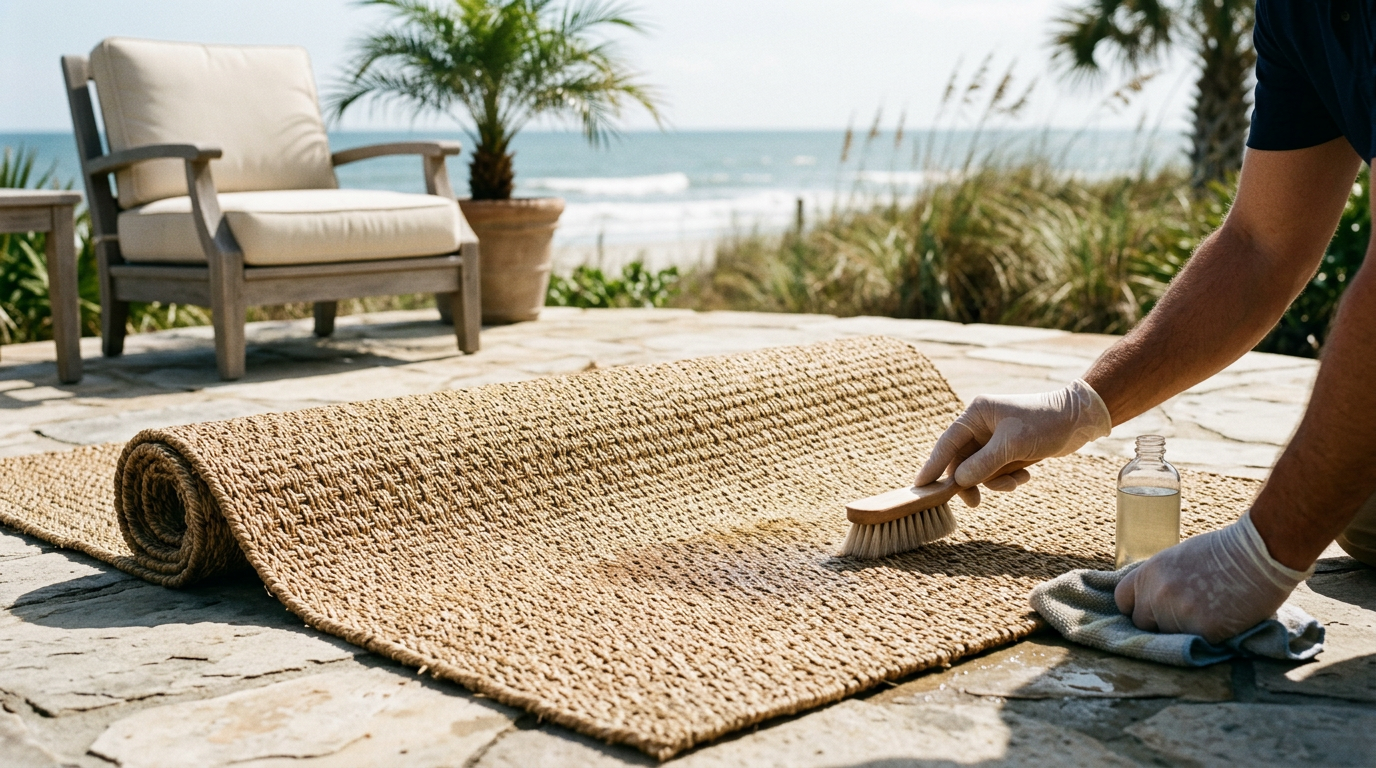
Natural-fiber rugs like jute, sisal, and seagrass are staple design elements in coastal Grand Strand homes, offering a beautiful beachside aesthetic. However, their plant-based fibers are highly sensitive to Myrtle Beach's intense humidity and abrasive sand. Standard carpet cleaning methods can warp, discolor, or ruin these delicate organic materials permanently. This guide provides an in-depth look at natural-fiber rug chemistry, safe cleaning methods, and how to protect your investment.
The Chemistry of Cellulose and Coastal Moisture Degradation
Natural-fiber rugs such as jute, sisal, and seagrass are highly prized by Grand Strand homeowners for their organic texture and warm, sandy hues that perfectly complement coastal decor. However, these materials are botanically distinct from synthetic nylon or polyester carpets. Jute and sisal are composed of lignocellulose fibers harvested from plant stems. This chemical makeup means they are highly hydrophilic—meaning they actively attract and absorb water from their environment. When exposed to liquid or high humidity, these fibers behave like raw wood, swelling, weakening, and becoming highly susceptible to permanent structural damage.
In the Grand Strand's subtropical climate, ambient indoor humidity frequently climbs, especially in oceanfront properties or homes with open doors. When relative humidity levels exceed 60 percent, jute and sisal fibers act like sponges, trapping moisture within their tight weaves. This trapped moisture initiates a chemical process known as cellulosic browning. As the wet fibers dry, natural tannins and lignin migrate to the surface of the rug, leaving behind dark brown, unsightly tide lines that are notoriously difficult to remove without specialized chemical treatments.
Furthermore, the constant influx of fine silica sand from Myrtle Beach shorelines compounds this degradation. Unlike synthetic fibers that can bend around sand particles, rigid cellulose fibers are easily sheared by the sharp edges of microscopic sand grains. Under the pressure of regular foot traffic, this sand acts as an abrasive micro-blade, cutting the delicate fibers from the inside out. This mechanical damage causes the rug to shed excessively, lose its structural integrity, and eventually unravel along its woven borders.
The DIY Pitfalls: Why Standard Carpet Cleaners Ruin Natural Fibers
Many homeowners make the critical mistake of treating natural-fiber rugs with standard residential carpet cleaning equipment. Renting a hot-water extraction machine or using a personal steam vac on a jute or sisal rug is almost always a recipe for disaster. These machines flood the rug with gallons of water under pressure, saturating the backing and the plant fibers. Because jute and sisal shrink when wet and dry unevenly, this saturation causes the rug to warp, buckle, and develop permanent waves that present a persistent tripping hazard.
In addition to structural warping, standard retail spot removers and heavy chemical surfactants present a severe chemical risk. Many household cleaners feature a high pH level to cut through grease and dirt on synthetic fibers. However, alkaline solutions cause immediate chemical burns on plant-based fibers, turning them yellow or dark brown. Similarly, biological enzyme cleaners designed to break down pet stains can mistake the natural proteins and cellulose in jute for organic waste, actively digesting and weakening the fibers.
The final and most pressing danger of wet DIY cleaning in a coastal home is mold and mildew colonization. Because natural-fiber rugs are thick, dense, and organic, they retain moisture for days when saturated. In a warm, humid Myrtle Beach environment, mold spores can germinate and colonize the damp fibers within 24 to 48 hours. Once mold takes hold in the backing or deep within the weave of a jute or sisal rug, it cannot be safely sanitized, rendering the expensive piece a total loss.
Dry-Extraction Chemistry and Safe Cleaning Compounds
To clean natural fibers safely, professional technicians rely on dry-extraction chemistry rather than hot-water saturation. The gold standard for this process utilizes absorbent dry-cleaning compounds. These compounds consist of soft, organic cellulose carrier particles pre-moistened with a controlled blend of water, safe solvents, and specialized detergents. When distributed across the rug, these micro-sponges dissolve and absorb both oil-based and water-soluble soils from the fibers, lifting them away without soaking the backing or causing the cellulose to swell.
The chemistry used in dry-extraction compounds is carefully calibrated to maintain a strict neutral pH balance, typically between 6.5 and 7.5. This neutral range is critical because it avoids both the browning associated with alkaline solutions and the fiber degradation caused by highly acidic cleaners. By avoiding water saturation, the risk of cellulosic browning, shrinking, and warping is completely eliminated, allowing the rug to remain perfectly flat, structurally sound, and clean throughout the process.
This chemical process is accompanied by specialized mechanical agitation. Technicians use counter-rotating brush systems designed with soft, fiber-specific bristles. These brushes gently agitate the dry compound through the weave of the rug, dislodging trapped sand, pet dander, and soil from the tightest crevices. The soil-laden compound is then extracted using high-filtration commercial vacuums, leaving the rug dry and immediately ready for foot traffic, which is a massive operational benefit for busy homeowners and vacation hosts alike.
The Economics of Restoration: Professional Pricing vs. Replacement Costs
Understanding the economics of natural-fiber rug care is essential for Grand Strand homeowners. Professional rug cleaning is typically priced by the square foot, reflecting the specialized labor, equipment, and chemistry required. For natural-fiber pieces like jute, sisal, and seagrass, professional dry-extraction cleaning generally ranges from $4.00 to $8.00 per square foot. While this represents a higher upfront cost than standard synthetic carpet cleaning, it is a necessary investment to prevent the ruin of delicate, high-value home furnishings.
When deciding whether to clean or replace a natural-fiber rug, homeowners should evaluate the original cost and quality of the piece. While a mass-produced, small jute rug bought online might be cheaper to replace than to clean, high-end custom sisal, hand-woven seagrass, or designer natural-fiber pieces can easily cost upward of $1,500 to $3,000. For these premium items, professional preservation is highly cost-effective, extending the lifespan of the rug by several years and maintaining the aesthetic value of the home's interior.
Opting for cheap, uncertified cleaning services to save a few dollars is a high-risk gamble. Standard 'splash-and-dash' carpet cleaners often lack the training or specialized dry compounds required for cellulose fibers. They frequently apply standard hot-water extraction, leaving the homeowner with a warped, discolored, and ruined rug. This forces the homeowner to pay not only for the improper cleaning but also for the cost of disposing of the ruined rug and purchasing a brand-new replacement.
Vetting Grand Strand Cleaning Professionals: Critical Questions to Ask
When hiring a professional cleaning service in the Myrtle Beach area, vetting their technical expertise is paramount. You should never assume a general carpet cleaning company understands the complex chemistry of natural plant fibers. The first question to ask is whether their technicians hold certifications from the Institute of Inspection, Cleaning and Restoration Certification (IICRC), specifically in Journeyman Textile Cleaner or Rug Cleaning (RUGC) divisions. Certified technicians are trained to identify fibers and apply correct chemistry.
Next, ask the company to detail their specific cleaning process for jute and sisal. Specifically, ask: 'Do you use hot-water extraction or dry-extraction compounds on natural plant fibers?' If their representative mentions steam, hot water, or standard shampooing, thank them for their time and hang up. A reputable company will immediately explain their dry-compound, low-moisture, or specialized solvent cleaning protocols. For expert advice or to schedule a professional assessment of your coastal rugs, you can always contact A2Z Cleaning & Linen Services at 843.800.2788.
Finally, inquire about their insurance coverage and service guarantees. Specifically, ask if they carry bailee's insurance, which is a specialized policy covering customer property while it is in the cleaner's care or at their facility. Standard general liability insurance often excludes coverage for items being actively worked on. A professional, high-integrity company will gladly provide proof of proper insurance, giving you peace of mind that your valuable coastal furnishings are protected against accidental damage.
- Are your technicians IICRC-certified in Rug Cleaning (RUGC)?
- Do you use low-moisture dry-extraction compounds or wet hot-water extraction on natural-fiber rugs?
- What is your protocol for mitigating cellulosic browning and shrinkage in jute and sisal?
- Do you carry comprehensive bailee's insurance to cover off-site rug cleaning?
- What is your drying protocol to prevent mold growth in highly humid coastal environments?
The Seagrass Exception: Understanding the Hardiest Coastal Fiber
While jute and sisal are highly sensitive to moisture, seagrass represents a notable exception in the natural-fiber family. Botanically, seagrass grows underwater in marshy environments, which endows the fibers with unique physical properties. Seagrass fibers are smooth, round, and virtually non-porous. They possess a natural, waxy outer sheath that acts as a built-in protective barrier against spills, liquids, and stains. This makes seagrass highly resistant to the cellulosic browning that plagues jute and sisal under coastal humidity.
Despite its natural water resistance, seagrass is not entirely bulletproof. Most coastal seagrass rugs feature a heavy latex or urethane backing to hold the woven fibers together and prevent slipping on hardwood floors. If water gets trapped beneath a seagrass rug—either from a major spill, high-humidity condensation, or wet feet—it cannot easily evaporate. This trapped moisture can rot the underlying backing and lead to mold growth on the subfloor, which presents a hidden health hazard in your home.
Cleaning seagrass requires a modified approach. While it can tolerate light moisture during cleaning better than sisal, harsh scrubbers and aggressive chemicals must be strictly avoided. Abrasive brushes can scratch or strip the protective, waxy outer layer of the seagrass fibers. Once this natural shield is damaged, the fiber becomes dull, porous, and highly susceptible to staining and rot. Safe cleaning relies on neutral-pH cleaning solutions applied with soft microfiber cloths or low-moisture professional equipment.
At-Home Preservation: Daily Maintenance and Spill Protocols
Maintaining natural-fiber rugs between professional cleanings requires a strict, proactive routine. The single most important daily practice is dry soil extraction. Homeowners should vacuum their jute and sisal rugs at least twice a week using a vacuum cleaner with the brush roll or beater bar turned off. Beater bars use stiff plastic bristles that beat against the rug, which shreds the delicate cellulose fibers and creates excess lint. Suction-only vacuuming lifts abrasive sand without fraying the weave.
In the event of an accidental spill, immediate action using dry blotting techniques is critical. Never rub or scrub a spill on a natural-fiber rug, as this pushes the liquid deeper into the porous cellulose and spreads the stain. Instead, place a clean, dry white cotton towel over the spill and apply firm, downward pressure to draw out the liquid. For oily residues, apply a small amount of baking soda or cornstarch to the spot, let it sit for several hours to absorb the oil, and vacuum it up.
Finally, managing your home's indoor climate is key to preserving natural fibers in the Myrtle Beach area. During the hot, humid summer months, ensure your air conditioning system is running efficiently, or utilize dedicated dehumidifiers to keep indoor relative humidity below 55 percent. Controlling the indoor microclimate prevents the plant fibers from swelling with moisture and reduces the risk of dust mite proliferation and mold growth within the deep, textured pockets of your coastal rugs.
Key takeaway
Preserving coastal natural-fiber rugs requires specialized dry-extraction chemistry rather than aggressive steam cleaning. By understanding fiber behavior, managing humidity, and vetting professionals to ensure they use certified dry-cleaning compounds, Grand Strand homeowners can protect their investment and enjoy these beautiful textiles for years.
Keep Reading
Coastal Living
The Cost of Restoring Coastal HVAC Supply Grilles and Register Surrounds: Mitigating Condensation Rust, Mildew Spores, and Paint Peeling in Grand Strand Homes
ReadCoastal Living
The Coastal Window Treatment and Blackout Drapery Sanitization Protocol: Mitigating Humid Mold Spores, Pollen Reservoirs, and VOC-Free Allergen Release in Grand Strand Homes
ReadCoastal Living
The Coastal Multi-Sectional Decontamination Protocol: Mitigating Pet Sebum, Organic Kid Spills, and Humidity-Trapped Allergen Reservoirs in Grand Strand Homes
ReadReady for a spotless property?
Call 843.800.2788 or request a free quote from A2Z Cleaning & Linen Services.