Coastal Living
The Cost of Restoring Coastal Plantation Shutters: Sun-Baked Salt, Tension Mechanics, and Safe Chemistry for Grand Strand Homeowners
Learn the costs, product safety, and mechanical risks of cleaning coastal plantation shutters, and discover why professional restoration beats risky DIY methods in Myrtle Beach.
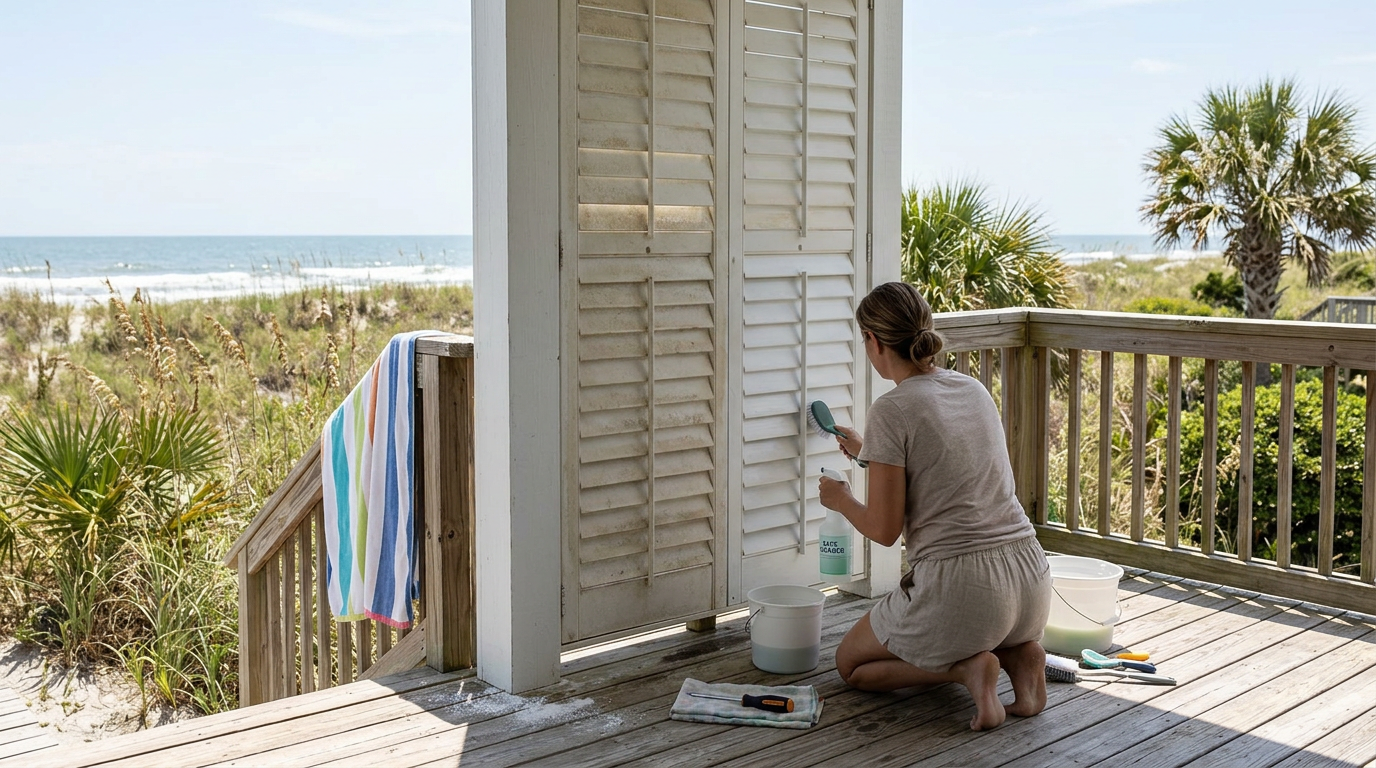
Plantation shutters are a hallmark of Grand Strand architecture, offering elegant light control and excellent insulation against the coastal heat. However, the unique combination of salt-laden ocean breezes, high humidity, and intense Southern UV rays creates a stubborn, sticky film that standard house cleaning cannot easily remove. Homeowners must navigate the delicate balance of cleaning this residue without warping natural wood, stripping composite finishes, or rusting the fine metal tension hardware. Understanding the differences between DIY attempts and professional restoration methods is key to preserving these valuable household fixtures.
The Coastal Shutter Dilemma: How Salt Air and Sun-Baking Create a Sticky Film
Ocean mist carries microscopic sodium chloride particles that easily enter Grand Strand homes through open windows or HVAC air intakes. Once these tiny salt crystals settle on the flat surfaces of your shutter louvers, they begin to pull ambient moisture out of our high-humidity coastal air. This daily cycle of absorbing moisture and drying out turns loose dust into a sticky, microscopic crust. Over several months, this crust bonds tightly to the shutter surface, making simple dry-dusting completely ineffective.
As this salty film grows, it catches other airborne particles that circulate inside a busy household. Beach sand, sunscreen aerosols, cooking oils, and pet dander get trapped within this sticky matrix. Under the intense heat of the Carolina sun shining through the window glass, this mixture essentially bakes onto the shutters. This heat-accelerated bonding process causes a dulling effect, gradually yellowing white finishes and leaving dark finishes with a hazy, gray appearance.
The underlying shutter material dictates how this buildup behaves. Real wood shutters, such as those made from basswood, tend to absorb micro-moisture through tiny hairline cracks in their painted finishes, accelerating structural rot. Meanwhile, composite or polyvinyl shutters carry an electrostatic charge that actively pulls fine silica sand out of the air. This sand-grit gets embedded in the baked-on salt film, forming an abrasive layer that can easily scratch the shutters during improper cleaning.
The Mechanics of Damage: Tension Screws, Louver Staples, and Wood Warping
Plantation shutters are not static decorative panels; they are mechanical fixtures with delicate moving parts. They rely on internal tension pins, adjustment screws, and small metal staples that connect individual louvers to the central tilt rod. When salt-laden humidity settles over these components, it triggers galvanic corrosion on the metal hardware. This rust makes the louvers stiff and hard to turn, eventually causing the staples to pull out of the wood or composite material entirely.
Water is the primary enemy of natural wood plantation shutters during cleaning. If a homeowner attempts to wash shutters with a standard bucket and wet rag, water easily seeps into the tension screw holes and the raw wood around the staple insertions. This localized moisture causes the wood grain to swell unevenly. Once wood shutters warp, the louvers will no longer close flush, ruining their light-blocking capabilities and requiring expensive replacement panels.
Engineered wood or medium-density fiberboard shutters wrapped in a protective vinyl sleeve have different but equally serious vulnerabilities. If the vinyl envelope is nicked or scratched, even minor water exposure causes the internal compressed fibers to swell up like a sponge. This structural blowout cannot be sanded down or repaired. Once moisture compromises an MDF shutter core, the structural integrity of the entire window panel is lost.
The DIY Myth: Why Off-the-Shelf Sprays and Water Buckets Fail
Many homeowners try to tackle sticky shutter buildup with aggressive, off-the-shelf household cleaners. Heavy-duty degreasers, ammonia-based glass sprays, and diluted bleach mixtures are common culprits. While these chemicals might cut through the salt-grease film, they also strip away the protective, UV-resistant clear coats applied by manufacturers. Without this protective barrier, the bare paint beneath will yellow, chalk, and degrade rapidly under direct Myrtle Beach sunlight.
Furniture polishes, lemon oils, and silicone-based sprays are another common DIY mistake. While they may temporarily make the shutters look clean and shiny, these oils never truly cure or dry. Instead, they leave a tacky residue that acts as a magnet for wind-blown beach sand and dander. Within a few weeks, the shutters develop a rough, sandpaper-like texture that is twice as difficult to clean without scratching the underlying material.
Physical scrubbing is just as hazardous as using the wrong chemicals. Using green abrasive kitchen sponges, melamine foam pads, or stiff-bristled brushes ruins the smooth finish of both wood and vinyl. These micro-scratches destroy the aesthetic of the shutters and create microscopic crevices. These newly formed crevices catch dust more quickly and harbor biological mold spores, which thrive in our warm Grand Strand summers.
Professional Restoration Methods: Safe Chemistry and Low-Moisture Hand-Detailing
Professional shutter restoration avoids the high moisture and harsh scrubbing that damage these expensive installations. Technicians employ a controlled, multi-step process that begins with dry extraction. Using high-efficiency particulate air vacuums equipped with natural horsehair brush attachments, professionals safely lift loose silica sand and dust. This step prevents those abrasive particles from scratching the surface during the subsequent cleaning phases.
Instead of heavy water sprayers, professional technicians use a low-moisture, hand-detailing methodology. They apply specialized, pH-neutral chelating agents that are designed to break the ionic bonds holding the salt and grease to the shutter surface. This safe chemistry lifts the film without softening the paint or penetrating the joints. Each louver is wiped individually with ultra-soft microfiber cloths, keeping moisture strictly controlled and isolated from sensitive hardware.
The final phase of professional restoration involves stabilizing the shutter mechanics and protecting the surfaces. Technicians apply a dry-touch polymer barrier that fills in microscopic surface pores on wood or vinyl. This specialized coating neutralizes static electricity, repels salt-air adhesion, and offers enhanced UV protection. Additionally, professionals inspect and lubricate the tension adjustment screws with dry silicone lubricants that do not attract grit.
Breaking Down the Costs: What to Expect for Grand Strand Shutter Restoration
The cost of professional plantation shutter cleaning and restoration in the Myrtle Beach area depends on several physical factors. These include the material of the shutters, the total number of windows, the height and accessibility of the panels, and the level of salt-grime accumulation. Shutters in oceanfront high-rises or homes directly on the salt marsh generally require more intensive restoration labor than those located a few miles inland.
On average, professional deep cleaning and mechanical restoration of standard plantation shutters range from thirty-five to seventy-five dollars per window panel. For a standard Grand Strand home with fifteen to twenty windows, a homeowner can expect a professional restoration quote to fall between six hundred and fifteen hundred dollars. While this is more expensive than a basic dust-down, it is a fraction of the cost of replacement.
Replacing damaged plantation shutters in a medium-sized home can easily cost upwards of eight thousand to fifteen thousand dollars, depending on the custom measurements and materials selected. Regular professional maintenance every two to three years prevents structural failures, keeps the hardware moving smoothly, and maintains the market value of your property's interior finishes.
- Standard Polyvinyl or Faux-Wood Shutters: $30 to $50 per window panel, focusing on static neutralization.
- Premium Solid Basswood Shutters: $45 to $75 per window panel, requiring specialty low-moisture wood conditioners.
- Double-Tier or Arched Specialty Windows: $60 to $95 per panel due to complex hardware and height accessibility.
- Heavy Salt-Grease Remediation Surcharge: $10 to $20 additional per window for severe, multi-year neglected buildup.
The Chemistry of Safety: Green Surfactants and Family-Safe Barriers
Using safe, low-VOC cleaning chemistry is highly important because window shutters sit directly in the path of solar heat. When a window gets hot, any harsh chemical residues left on the shutters will off-gas into your home's indoor air supply. Safe professional restorers prioritize botanical, biodegradable surfactants that dissolve sticky salt films without releasing toxic fumes, ensuring a healthy environment for children and pets.
These green surfactants operate on a molecular level, reducing the surface tension of water so it can slip beneath the oily salt layer. Rather than burning off the grime with strong acids or high-alkaline strippers, these solutions lift and suspend the dirt particles in a gentle emulsion. This emulsion is then easily wiped away, leaving the original paint or laminate finish perfectly intact.
The protective polymers used in the final step of professional restoration are engineered to be dry to the touch and completely non-greasy. Unlike oils, these polymers cure into a microscopic, breathable shield that resists water droplets and prevents airborne dust from clinging. This advanced, family-safe barrier helps keep your shutters cleaner for much longer, reducing the frequency of deep cleanings.
Vetting the Professionals: Five Critical Questions to Ask Before Hiring
When hiring a cleaning service in the Myrtle Beach area, it is important to verify their technical expertise with plantation shutters. Shutters are high-value architectural features, and treated incorrectly, they are easily ruined. Homeowners should avoid general cleaning crews who plan to use standard dusting sprays or wet mops on these delicate window fixtures.
Always ask the provider about their specific training protocols for different shutter materials. Real wood, composite, and polyvinyl all require distinct cleaning chemistries and moisture levels. A professional company should be able to clearly explain their drying and mechanical inspection steps, demonstrating a clear understanding of the risks of wood warping and hardware corrosion.
Ensure the company is fully insured, licensed, and has local experience dealing with Grand Strand coastal environments. Local companies understand the tenacious nature of ocean salt and humidity. Our team at A2Z Cleaning & Linen Services can be reached at 843.800.2788 to discuss our tailored, low-moisture restoration protocols designed specifically for coastal properties.
- "Do your technicians use dry-extraction HEPA vacuums before applying any liquid cleaning solutions?"
- "What specific, low-VOC chemical products will you use on our real wood shutters to avoid stripping the finish?"
- "How do you protect and lubricate the internal metal tension screws and louver staples?"
- "Is your cleaning team fully insured against accidental wood warping or composite core swelling?"
- "What type of anti-static protective barrier do you apply to the louvers after the cleaning is complete?"
Preventative Maintenance: Keeping Your Shutters Clean Between Professional Visits
To extend the lifespan of your plantation shutters, establish a simple, dry maintenance routine between professional cleanings. Once a week, close the shutter louvers completely flat and vacuum them using a soft horsehair brush attachment. Dust from top to bottom, then rotate the louvers in the opposite direction and repeat the process to capture dust on both sides.
If you notice sticky spots from salt spray or sunscreen overspray, spot-clean them immediately before the sun bakes them onto the surface. Mix a few drops of mild, pH-neutral dish soap in a pint of warm, distilled water. Lightly dampen a clean microfiber cloth—making sure it is not dripping wet—gently wipe the sticky spot, and immediately dry the area with a clean towel.
Finally, manage your indoor humidity levels. Keeping your home's air conditioning system running and utilizing dehumidifiers during hot, sticky summer months prevents the moisture cycles that bond salt dust to shutter finishes. Keeping the indoor relative humidity below fifty percent protects the mechanical metal screws from rust and prevents wood fibers from swelling.
Key takeaway
Plantation shutters are a valuable investment in your Grand Strand home that require specialized care to withstand the harsh coastal climate. Attempting aggressive DIY wet washes or using harsh chemical sprays can easily lead to warped wood, ruined finishes, and rusted hardware. Partnering with a professional restoration service like A2Z Cleaning & Linen Services at 843.800.2788 ensures your shutters are safely detailed using low-moisture methods, preserving their beauty and mechanics for years to come.
Keep Reading
Coastal Living
The Grand Strand Family Beach-Dog Entryway and Paw-Wiping Station Protocol: Mitigating Salt-Yeast Odors, Wet-Fur Dander, and Sand-Silt Tracking
ReadCoastal Living
The Cost of Restoring Coastal HVAC Supply Grilles and Register Surrounds: Mitigating Condensation Rust, Mildew Spores, and Paint Peeling in Grand Strand Homes
ReadCoastal Living
The Cost of Restoring Coastal Glass Shower Enclosures: Heavy Mineral Scale, Etching Prevention, and Professional Vetting for Grand Strand Homeowners
ReadReady for a spotless property?
Call 843.800.2788 or request a free quote from A2Z Cleaning & Linen Services.