Coastal Living
The Cost of Restoring Coastal Sliding Glass Door Tracks: Sand-Grime Extraction, Lubrication Chemistry, and Vetting Myrtle Beach Professionals
Discover the real costs, chemistry risks, and step-by-step professional protocols for restoring sand-damaged sliding glass door tracks in Grand Strand homes.
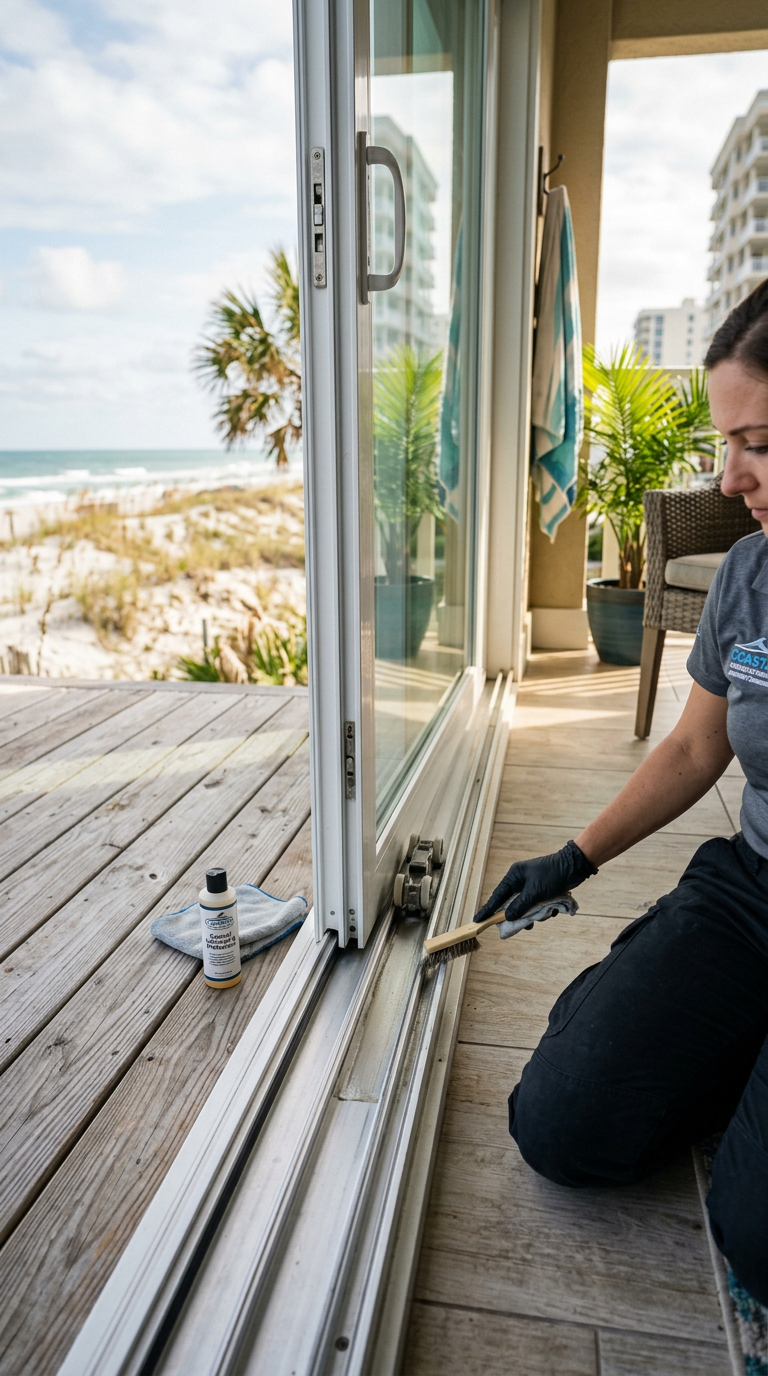
For homeowners and vacation rental hosts along the Grand Strand, sliding glass doors are the ultimate gateway to beautiful beach views and ocean breezes. However, the relentless exposure to salt air, fine sand, and high humidity can quickly turn these functional entryways into stiff, grinding liabilities. Understanding how to safely restore sliding tracks without ruining expensive roller systems is key to protecting your property investment. This guide breaks down the true costs of professional track restoration, the chemical dangers of common DIY fixes, and how to choose a qualified local technician.
The Coastal Sliding Door Track Dilemma: Salt, Sand, and the Concrete Sludge
In the Grand Strand, oceanfront sliding glass doors are the primary gateway to beautiful beach views, but they are also the most vulnerable mechanical assemblies in a coastal home. The relentless combination of airborne salt spray and fine beach sand creates a highly destructive environment inside the door tracks. When these two elements combine with the natural high humidity of Myrtle Beach, they form an abrasive, concrete-like sludge. This grit slowly grinds down the delicate roller assemblies, leading to stiff, noisy, and eventually non-functional doors.
Many homeowners do not realize that sand is not just a nuisance; it is an abrasive mineral composed of quartz and shell fragments. When trapped within the narrow channel of a sliding door track, it acts like industrial sandpaper against the brass, steel, or nylon rollers. Every slide back and forth scrapes away the protective metallic coatings, exposing the underlying metal to rapid oxidation from the salty coastal air. This results in heavy rust, warped tracks, and permanent structural damage.
This mechanical degradation is further compounded by the constant pressure of wind-driven rain along the coast. Sliding tracks are designed with weep holes to drain exterior water away from the home. However, when sand-sludge clogs these drainage pathways, water backs up into the track interior, flooding the roller assemblies and seeping into the subflooring. Understanding this unique coastal dynamic is the first step in protecting your property's value and structural integrity.
The Cost of Neglect vs. Professional Restoration
Understanding the financial implications of sliding door maintenance is crucial for Grand Strand property owners. A professional track restoration service typically ranges from $150 to $350 per door set, depending on the severity of the sand accumulation and rust corrosion. This service includes deep debris extraction, drainage clearing, roller cleaning, and specialized dry-lubricant application. While this may seem like an unnecessary expense, it is a minor investment compared to the alternative of complete door replacement.
When sliding tracks are neglected, the rollers seize entirely, forcing users to drag the heavy glass panels across the aluminum tracks. This friction quickly gouges and warps the metal track beyond repair. Replacing a high-quality, wind-rated coastal sliding glass door unit can easily cost between $2,500 and $6,000, factoring in specialized labor, hurricane-impact glass standards, and interior drywall repairs. Investing in routine professional maintenance preserves the track's original profile and keeps your existing doors operating smoothly for decades.
For vacation rental hosts, the cost of neglect extends far beyond physical repairs. A sticking, hard-to-open sliding door is a primary source of negative guest reviews and immediate maintenance requests during peak summer weeks. A guest struggling to access an oceanfront balcony is not only frustrated, but they also represent a liability risk if they strain themselves. Routine professional track cleaning keeps your property rating high and avoids emergency trip-charge fees from local technicians on busy Saturdays.
The Danger of DIY: The Great WD-40 Mistake and Chemical Pitfalls
The most common mistake Myrtle Beach homeowners make is attempting to resolve a sticking sliding door by spraying standard aerosol lubricants like WD-40 or heavy grease into the tracks. While this might provide temporary relief for a few hours, it creates a long-term disaster. Standard wet lubricants are highly viscous and act as a magnet for wind-blown beach sand. Within days, the wet oil binds with the sand, creating an extremely abrasive paste that accelerates roller destruction far faster than dry sand alone.
Beyond mechanical damage, DIY chemical applications often pose serious product safety risks. Over-the-counter lubricants frequently contain high levels of volatile organic compounds (VOCs) that degrade indoor air quality when sprayed in confined spaces. Additionally, overspray onto adjacent hardwood, luxury vinyl plank (LVP), or tile flooring creates an invisible, highly dangerous slip hazard. If these oils penetrate the subfloor or baseboards, they can leave permanent, unsightly grease stains that are incredibly difficult to extract safely.
Many consumer-grade rust removers contain highly toxic acids, such as hydrofluoric or phosphoric acid, which present severe burn risks to skin and eyes. If these harsh chemicals are applied incorrectly, they can permanently etch the surrounding glass panels and strip the anodized protective coating off the aluminum tracks. Once this protective finish is chemically compromised, the underlying raw aluminum will corrode at an accelerated rate when exposed to our salty coastal atmosphere, leading to rapid structural failure.
The Professional Track Restoration Protocol
A professional restoration protocol begins with a dry extraction phase, which is critical to preventing the formation of wet sludge. Technicians utilize industrial-grade HEPA-filtered vacuums equipped with micro-crevice attachments to draw out dry sand, hair, and dust from the tightest corners of the track channels. Only after the dry particulate matter is entirely removed does the technician introduce targeted cleaning agents. This prevents sand from being washed deeper into the roller housing where it cannot be easily reached.
Next, professionals employ high-temperature dry steam extraction units operating at over 220 degrees Fahrenheit. This pressurized steam liquefies old, crusty greases, salt deposits, and biological residues without the use of harsh, stripping chemicals. The steam also flushes out the hidden weep holes, ensuring the door's built-in drainage system can handle heavy summer rainstorms. Because dry steam uses minimal moisture, it evaporates almost instantly, eliminating any risk of water damage to the surrounding drywall or flooring.
Once the tracks are clean and dry, technicians apply specialized dry-film lubricants, such as high-grade PTFE (Teflon) or specialized dry silicones. Unlike wet oils, these dry-film coatings leave behind a micro-thin, slippery barrier that repels sand, dust, and salt-air moisture. This dry barrier ensures that rollers glide effortlessly without capturing new sand particles. The result is a long-lasting, smooth operation that protects the mechanical components while maintaining safe indoor air quality.
What to Ask a Myrtle Beach Specialist Before Hiring
When hiring a professional cleaning or property maintenance company in the Grand Strand, it is essential to ask the right technical questions. Do not simply ask for an hourly rate; instead, ask if they use dry-film lubricants specifically rated for coastal marine environments. A qualified service provider will immediately explain why they avoid wet lubricants like WD-40 or silicone sprays. If a company plans to use standard multi-purpose oils in your tracks, they lack the specialized knowledge required for coastal preservation.
Always inquire about their extraction equipment. A standard household vacuum or a basic mop cannot remove sand from the tight tolerances of a sliding door track. Ask if their technicians are equipped with industrial dry steam extractors and specialized detail tools designed specifically for track channels. A professional team should also inspect the track's weep holes as part of their standard service, verifying that the drainage pathway is fully functional and free of blockages before completing the job.
Finally, verify their insurance coverage and technician training protocols. Because sliding glass doors are heavy, expensive, and fragile, any accidental damage to the glass or aluminum frame can be costly. A reputable Myrtle Beach company will carry comprehensive liability insurance and provide highly trained, background-checked environmental technicians. Asking for proof of insurance and inquiring about their specific training on high-rise balcony sliders protects your home from unnecessary financial liability and poor workmanship.
- Do you use dry-film PTFE or marine-grade silicone lubricants, or standard wet oils?
- What industrial extraction equipment do you use to clear fine quartz sand from the tracks?
- Are your technicians trained to clear and verify the functionality of the built-in weep holes?
- Can you provide proof of comprehensive general liability insurance specifically covering sliding glass doors?
- What is your protocol to protect indoor flooring and drywall from steam or chemical overspray?
DIY Maintenance Protocols That Actually Work
While professional deep cleaning is essential annually, homeowners can perform safe DIY maintenance between visits to extend the life of their sliding doors. The most important rule is to stick to dry-cleaning methods. Use a stiff-bristled, narrow track brush or an old toothbrush to dislodge dry sand and salt crust from the corners of the track. Immediately follow this brushing with a high-suction vacuum crevice tool to draw out the loosened grit before anyone slides the door again.
If you encounter sticky residues or light grime, avoid commercial aerosol sprays entirely. Instead, use a highly diluted mixture of warm water and a few drops of blue Dawn dish soap, or a basic white vinegar solution. Apply this mixture sparingly using a microfiber cloth wrapped around a plastic putty knife to clean the vertical walls of the track. Be sure to dry the area completely with a clean towel immediately afterward to prevent any moisture from sitting in the metal channel.
Never attempt to force a sticking door. If the door becomes difficult to slide, inspect the bottom track for large debris or stones that may have blown in from the beach. Forcing the door over an obstruction can flat-spot the rollers or permanently bend the aluminum track. If basic dry-vacuuming and gentle wiping do not resolve the stiffness, it is time to call a professional team to inspect the roller alignment and mechanical integrity.
Impact on Indoor Air Quality and Pest Barriers
Clean sliding door tracks play a surprising but critical role in maintaining indoor air quality and keeping coastal pests out of your Grand Strand home. When tracks are packed with sand, salt, and organic debris, the door cannot close fully or engage its seals correctly. This tiny gap allows hot, humid Myrtle Beach air to seep into your home continuously. This coastal draft forces your HVAC system to work harder and introduces mold spores directly into your living spaces.
Furthermore, clogged tracks compromise the physical barrier that keeps local pests at bay. The Grand Strand is home to various insects, including palmetto bugs, ants, and termites, which actively seek out moisture-rich environments. A track filled with organic debris and standing water from blocked weep holes provides the perfect harbor and entry point for these pests. By keeping your tracks clean, dry, and properly aligned, you ensure a tight seal that keeps unwanted insects outside where they belong.
This tight seal also prevents wind-driven rain from penetrating your home during severe coastal storms. When a hurricane or tropical storm hits the Myrtle Beach area, sliding doors are subjected to extreme pressure. If the track's drainage holes are blocked by sand and old grease, the incoming water has nowhere to go but over the track lip and onto your carpets or hardwood floors. Maintaining clear, professionally detailed tracks is an essential component of coastal storm preparedness.
Budgeting for Annual Coastal Track Audits
Budgeting for sliding door maintenance should be a standard part of your annual coastal property care plan. For permanent residences along the Grand Strand, a thorough professional track service once a year is typically sufficient to prevent sand-sludge buildup and oxidation. Homeowners should schedule this service in the late autumn, after the windy, sand-heavy fall storm season has passed, ensuring the doors are fully sealed and operational before the cooler winter months arrive.
For high-occupancy vacation rentals, particularly those located oceanfront in Myrtle Beach, North Myrtle Beach, or Surfside Beach, a more aggressive schedule is highly recommended. These properties experience heavy foot traffic from beachgoers carrying wet sand directly past the door tracks daily. Scheduling a professional track restoration twice a year—once in early spring before the peak tourist season begins, and once in late fall—protects your valuable property assets and ensures a seamless guest experience.
By viewing track maintenance as a predictable, low-cost preservation expense rather than an emergency repair, you protect your home's equity and avoid sudden, costly structural replacements. Working with a dedicated, locally owned cleaning and maintenance partner like A2Z Cleaning & Linen Services provides peace of mind. Our specialized teams understand the unique environmental challenges of the Grand Strand, ensuring your coastal home remains safe, clean, and effortlessly functional year-round.
Key takeaway
Neglecting your sliding door tracks in the harsh Grand Strand climate leads to costly mechanical failures, while improper DIY lubrication with wet oils only accelerates the damage. Trusting a professional to perform dry steam extraction and apply sand-repellent dry-film lubricants is the safest, most cost-effective way to preserve your oceanfront views. Contact A2Z Cleaning & Linen Services at 843.800.2788 to protect and restore your sliding glass door assemblies.
Keep Reading
Coastal Living
The Coastal Sliding Glass Door Track and Weep-Hole Decontamination Protocol: Mitigating Mold Bio-Sludge, Wind-Driven Allergens, and Chemical Runoff in Grand Strand Homes
ReadCoastal Living
The Cost of Restoring Coastal Outdoor Shower Enclosures: Managing Algae Biofilms, Salt-Water Scale, and Material-Safe Chemistry in Grand Strand Homes
ReadCoastal Living
The Cost of Restoring Coastal Porch Beadboard and Soffits: Algae Chemistry, Substrate Safety, and Professional Vetting for Grand Strand Homeowners
ReadReady for a spotless property?
Call 843.800.2788 or request a free quote from A2Z Cleaning & Linen Services.