Home Cleaning
The Family Staircase and Safety Gate Decontamination Protocol: Mitigating Sunscreen-Grime Slurry, Pet-Hair Static, and Sticky Handprint Biofilms in Grand Strand Homes
Learn how to clean high-traffic family staircases and child safety gates by removing sticky sunscreens, pet hair static, and beach sand using safe, botanical methods.
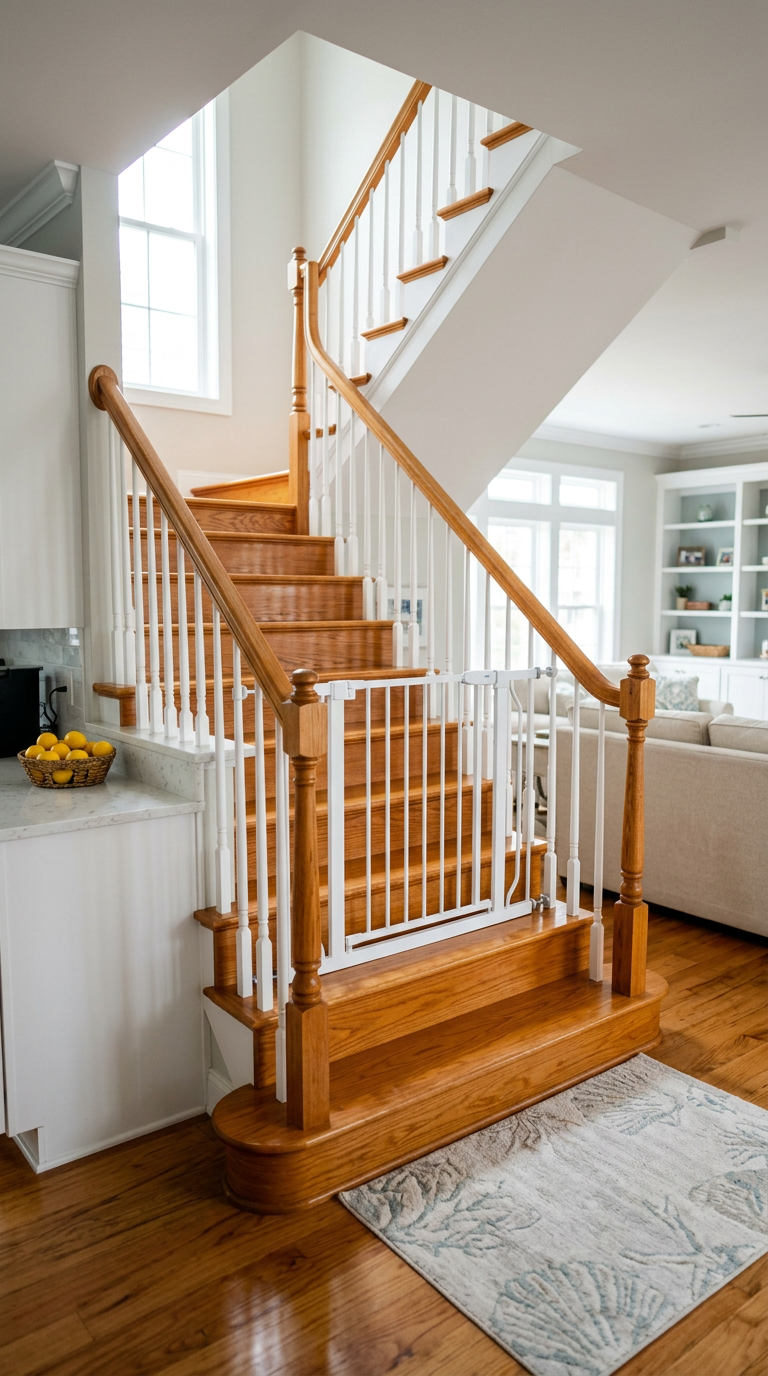
In busy Grand Strand households, the staircase is more than just a transition between floors; it is a high-traffic wind tunnel that collects the unique residues of coastal life. When active kids, shedding pets, and beach-going adults use these passages daily, a complex layer of grime begins to form on handrails, balusters, and safety gates. Traditional dusting methods fall short because they fail to address the sticky combination of sunscreen, sweat, and pet oils that bonds these materials together. This professional-grade guide explains how to dismantle this high-adhesion biofilm safely and keep your home's busiest thoroughfares sanitary and allergen-free.
The Anatomy of the Staircase and Safety Gate Grime Slurry
Staircases naturally act as architectural conduits in multi-level Grand Strand homes, channeling rising air, floating pet dander, and fine silica sand between floors. When coastal humidity levels rise, these airborne particles settle heavily onto vertical wooden spindle balusters, metal handrails, and safety gates. Without a sticky bonding agent, this dust would simply blow away, but daily family life provides the perfect adhesive.
That adhesive is a combination of pediatric sunscreens containing zinc oxide or avobenzone, natural skin lipids, and pet sebum transferred during daily movement. When children grasp handrails or pets rub against safety gates, they deposit these greasy compounds onto every surface. This creates a high-adhesion slurry that traps airborne pet hair and fine sand, forming a dark, textured biofilm over time.
This buildup is not merely an aesthetic issue; it serves as a breeding ground for bacteria and a persistent source of pet odors. Because the mixture is bound by stubborn oils, standard dry dusting or vacuuming only glides over the surface, leaving the core grime intact. Effectively clearing this residue requires breaking down the oil-based bond without damaging delicate wood finishes or paint.
Child-Safe and Pet-Friendly Chemistry: Replacing Harsh Quats
Because child safety gates and staircase banisters are high-contact areas where toddlers place their hands and mouths, chemical selection is paramount. Many conventional household disinfectants rely on harsh quaternary ammonium compounds, commonly known as quats, or strong bleach solutions. While these chemicals kill bacteria, they leave behind toxic residues that can irritate sensitive skin or be accidentally ingested by curious toddlers and pets.
To achieve a thorough clean without compromising safety, we utilize plant-derived alkyl polyglucoside surfactants. These biodegradable cleaning agents are derived from natural sugars and fatty alcohols, allowing them to lower the surface tension of water and lift stubborn sunscreen oils easily. They emulsify greasy residues without releasing volatile organic compounds into your indoor air.
For sanitizing these zones, we recommend a simple mixture of 70% isopropyl alcohol and water, or a botanical disinfectant derived from thyme oil. These solutions provide rapid pathogen elimination on metal gates and finished wood handrails, evaporating quickly and leaving zero chemical residue behind for children or pets to encounter during their daily play.
The Spindle and Baluster Detailing Method: Eliminating Static Pet-Hair Cling
Cleaning dozens of vertical wooden or metal spindles can be incredibly tedious, and standard flat rags often slide right over curved profiles. Furthermore, dry cloths generate static electricity, causing pet hair to cling even tighter to the spindle surfaces or drift down into the staircase joints. To overcome this, professional cleaners use a specialized 'glove-wrap' technique.
Start by slipping a high-quality microfiber dusting mitt over your hand and lightly misting it with a dilute, plant-based anti-static spray. Wrap your hand completely around the spindle at the top, closing your fingers to fully encircle the wood or metal. Slide your hand down to the base in a single, firm downward motion to capture all loose hair and sand in the microfiber fibers.
For the stubborn, greasy grime that accumulates at the base of the spindles—where dogs and cats frequently rub their flanks—apply a localized mist of your alkyl polyglucoside cleaner. Use a soft-bristled detailing brush to agitate the crevices where the spindle meets the tread, lifting the packed hair and dirt before wiping it clean with a damp cloth.
Decontaminating Pressure-Mounted and Hardware-Mounted Safety Gates
Baby and pet safety gates are mechanical devices featuring spring-loaded latches, plastic adjustment wheels, and metal hinge joints. Fine beach sand and pet hair easily migrate into these moving parts, causing the locking mechanisms to stick or fail over time. Additionally, the top rails of these gates are prime targets for toddler drool, finger paint, and food residues.
Begin the decontamination process by vacuuming the latch and hinge assemblies with a crevice tool and a brush attachment to extract loose grit. Once the dry sand is removed, apply a warm, damp microfiber cloth saturated with a mild dish soap solution to break down the sticky food and lotion residues on the frame.
For fabric or mesh safety gates, which readily absorb pet odors and spilled liquids, use an enzyme-based upholstery cleaner. Spray the mesh lightly, agitate gently with a soft-bristled utility brush to break up organic stains, and blot the material dry with clean towels. Ensuring the mesh dries completely is vital in our humid Grand Strand climate to prevent mold.
Handrail Stripping and Restoration: Removing Sticky Biofilms Without Damaging Varnish
Wooden handrails bear the brunt of daily family traffic, accumulating a thick, visible layer of sweat, skin oil, and sunscreen. Over time, these acidic organic compounds can chemically soften the polyurethane or varnish finish on the wood, leaving a permanently sticky surface that attracts even more dirt and pet hair.
To restore the handrail without stripping the actual finish, avoid aggressive alkaline degreasers, ammonia, or solvent-based cleaners. Instead, use a pH-neutral wood soap or a highly diluted d-limonene cleaner. Apply the cleaning solution directly to a split-fiber microfiber cloth rather than spraying the wood itself, and work in small, circular motions.
Immediately follow this step with a separate microfiber cloth dampened with clean water to remove any soap residue, then buff the handrail completely dry with a fresh towel. This process lifts the greasy biofilm, restores the smooth, clean feel of the wood, and protects the underlying varnish from further degradation.
- Avoid spraying liquid cleaners directly onto wooden handrails to prevent pooling in wood grain.
- Use circular buffing motions to lift stubborn, sun-baked lotion residues.
- Always dry wood surfaces immediately to prevent moisture-driven swelling.
- Inspect the finish for signs of varnish softening, which may require a light resealing.
Staircase Risers, Treads, and Carpet-to-Wood Transitions
The physical junction where carpeted stair treads meet wooden risers is a major collection point for pet hair and heavy beach sand. As family members run up and down the stairs, heavy sand grains are ground deep into the carpet fibers, cutting the backing over time and trapping pet odors deep within the stairs.
To clear this zone, use a high-efficiency particulate air (HEPA) vacuum equipped with a motorized mini-beater bar tool designed for stairs. Work slowly along each tread, pressing the tool firmly into the corners and the crevice where the carpet meets the wooden riser, where static electricity holds pet dander captive.
For uncarpeted wooden stairs, use a damp microfiber flat mop rather than a traditional wet loop mop. Excess water can easily seep into the wood joints of the stair treads, leading to cupping, wood rot, and subfloor mold growth. Keep the mop damp, not wet, and dry any remaining moisture with a clean cloth.
The Bi-Weekly Maintenance Loop for Busy Grand Strand Families
Keeping these high-traffic transition zones clean doesn't require a daily deep clean if you establish a structured, bi-weekly maintenance routine. Consistent, preventative cleaning keeps sand, pet hair, and sunscreen from combining into the difficult-to-remove slurry on your spindles and safety gates.
Twice a week, dedicate ten minutes to wiping down handrails and gate latches with a damp microfiber cloth pre-moistened with a child-safe botanical cleaner. Running a quick HEPA vacuum over the stair joints during this loop prevents sand from migrating upward into your bedrooms and living spaces.
By managing these high-traffic areas systematically, Myrtle Beach families can preserve their home's finishes, significantly reduce airborne pet allergens, and ensure a safe, clean environment for toddlers and pets alike. If the buildup has become overwhelming, reaching out to A2Z Cleaning & Linen Services at 843.800.2788 can restore your home to pristine condition.
Key takeaway
Maintaining clean staircases and safety gates in a busy coastal home requires understanding how sunscreen, humidity, and pet hair interact. By using child-safe botanical surfactants and the right mechanical techniques, you can eliminate sticky biofilms and protect your family from allergens. Consistent, targeted care preserves your home's finishes and keeps your high-traffic zones sanitary.
Keep Reading
Home Cleaning
The Coastal Modular Foam Play-Couch Decontamination Protocol: Managing Sand-Grit, Pet Dander, and Humidity-Trapped Spills in Grand Strand Homes
ReadHome Cleaning
The Under-Table and Pet-Feeding Station Micro-Zone: Child-Safe Yeast, Dander, and Sticky-Food Mitigation in Grand Strand Family Kitchens
ReadHome Cleaning
Low-Zone Sanitization: Protecting Crawling Toddlers and Ground-Level Pets from Coastal Residues and Harsh Chemicals
ReadReady for a spotless property?
Call 843.800.2788 or request a free quote from A2Z Cleaning & Linen Services.