Coastal Living
The Under-Sink Cabinet Microclimate: Mitigating Mold Spore Colonization, Condensation Vectoring, and Chemical Off-Gassing in Grand Strand Homes
Discover how the unique coastal humidity of the Grand Strand transforms under-sink cabinets into indoor air quality hazards, and learn how to remediate them using safe, green practices.
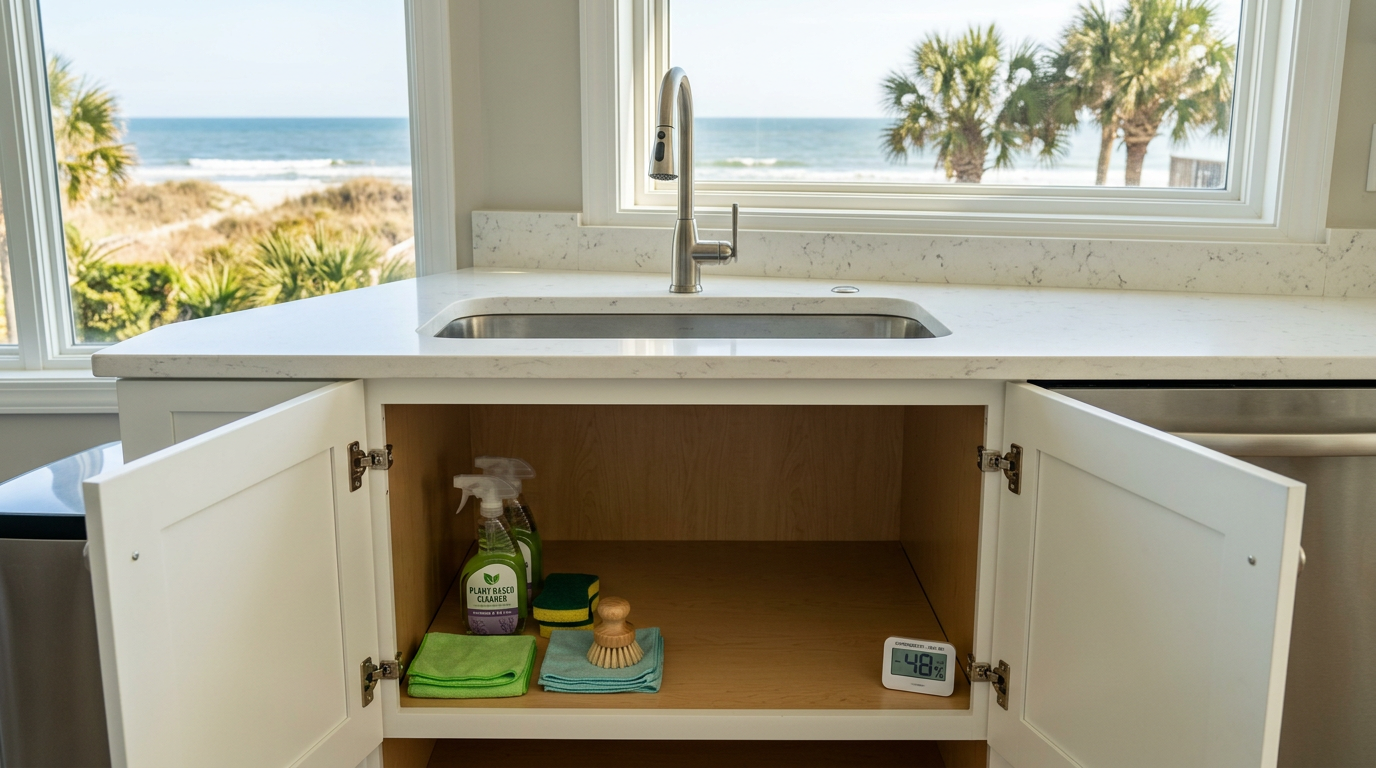
In the humid environment of Myrtle Beach and the surrounding Grand Strand, maintaining healthy indoor air quality requires looking beyond the main living areas and examining hidden household microclimates. The dark, enclosed spaces beneath kitchen and bathroom sinks are particularly vulnerable to ecological imbalances due to high ambient moisture and restricted airflow. When neglected, these small cabinets quickly become breeding grounds for mold spores, hubs for chemical off-gassing, and magnets for coastal pests. By adopting a proactive, non-toxic remediation and maintenance protocol, homeowners can safeguard their indoor air quality and protect their property from structural deterioration.
The Unique Physics of Coastal Under-Sink Cabinets
The coastal plain of South Carolina experiences sustained high humidity throughout much of the year, with outdoor relative humidity levels regularly exceeding 80 percent. Even inside air-conditioned Grand Strand homes, dark and unconditioned voids like under-sink cabinets act as thermal sinks, trapping pockets of stagnant, humid air. Because these cabinets are built into exterior walls or adjacent to uninsulated plumbing chases, they are highly sensitive to external environmental shifts.
Most standard residential cabinetry is constructed from engineered wood products, such as particleboard or medium-density fiberboard (MDF), which are highly hygroscopic. These materials act like rigid sponges, absorbing moisture directly from the humid air and swelling over time. When wood fibers reach a moisture content of 20 percent or higher, dormant fungal spores naturally present in the coastal air find the ideal conditions required to germinate.
The lack of passive air exchange inside these cabinets compounds the problem, creating a stable, high-humidity microclimate. Without regular airflow to disperse moisture, the air inside the cabinet can quickly reach its dew point, leading to microscopic condensation on the interior walls. This stagnant environment allows mold colonies to establish themselves undisturbed, long before visible signs of growth or musty odors penetrate into the main living spaces of the home.
Understanding the Condensation Vector: How Plumbing Sweat Fuels Spore Germination
In the Grand Strand, municipal water lines run underground where temperatures remain cooler than the warm, humid air surrounding coastal homes. When cold water flows through metal copper pipes or even PEX lines under a kitchen or bathroom sink, the outer surface of the pipe drops below the dew point of the indoor air. This temperature differential results in a physical phenomenon known as pipe sweating, where water droplets continually condense on the plumbing fixtures.
As condensation drips off the pipes, it pools on the floor of the cabinet or runs down the backing material, creating localized wet zones. These wet zones are highly hospitable to common coastal mold species, including Aspergillus, Penicillium, and Cladosporium. Unlike structural framing, which may dry out periodically, the steady cycle of plumbing condensation ensures that these wood-pulp cabinet bases remain constantly damp.
Furthermore, minor, slow-drip plumbing leaks often go unnoticed for months behind stored household items. Even a microscopic pinhole leak in a supply line or a slightly loose slip-joint on a sink drain can release several ounces of water daily. This chronic moisture source saturates the surrounding wood, destroying its structural integrity while releasing millions of airborne mold spores into the home every time the cabinet doors are opened.
The Chemical Off-Gassing Hazard: VOCs in Enclosed Dark Spaces
Under-sink cabinets are the traditional storage zones for household cleaning agents, dish detergents, and chemical aerosol sprays. In a high-humidity coastal environment, storing conventional, solvent-based products in these warm, enclosed spaces creates a secondary indoor air quality hazard known as chemical off-gassing. Over time, plastic containers can degrade, and aerosol canisters can slowly leak trace amounts of volatile organic compounds (VOCs) into the cabinet air.
When VOCs are trapped in a tight, unventilated space, their concentrations can reach levels that are significantly higher than those found in the rest of the home. The high humidity inside the cabinet can accelerate the degradation of product packaging and labels, causing chemical reactions that release chlorinated hydrocarbons, synthetic fragrances, and formaldehyde. These vapors do not stay confined; they slowly migrate out of the cabinet through small gaps around the plumbing penetrations.
As air circulates through the home via the HVAC system, a physical draft effect pulls air from wall cavities and cabinet bases into the general breathing zone. Breathing in these highly concentrated chemical vapors can cause eye, nose, and throat irritation, particularly for sensitive individuals, children, or elderly residents. To maintain a truly healthy coastal home, it is essential to replace these harsh chemical reservoirs with stable, non-toxic alternatives.
Non-Toxic and Low-VOC Microbial Control Solutions
When addressing mold or mustiness in an under-sink cabinet, homeowners frequently turn to chlorine bleach, believing it is the ultimate sanitizing agent. However, chlorine bleach is highly ineffective on porous materials like particleboard and wood, as its high surface tension prevents the active chlorine from penetrating deep into the fibers. Instead, the water content of the bleach solution sinks into the wood, actually feeding the root system (hyphae) of the mold and causing it to return stronger.
A highly effective, non-toxic alternative for managing microbial growth in coastal cabinets is hydrogen peroxide (3% concentration). Hydrogen peroxide is a strong oxidizer that breaks down into harmless water and oxygen, leaving no toxic residues or fumes behind. When sprayed onto affected cabinet surfaces, it penetrates deeply, breaking down the cell walls of mold spores and lifting staining from the wood fibers without damaging the substrate.
Another powerful botanical option is thymol, an extract derived from the herb thyme, which has natural antimicrobial and antifungal properties. Applying a thymol-based solution or a simple mixture of white distilled vinegar and tea tree oil provides long-lasting defense against mold colonization without introducing harmful VOCs. These biological treatments disrupt the reproductive cycle of fungal spores while keeping the indoor air clean, safe, and pleasant to breathe.
The Pest-Attracting Nexus: Moisture, Organic Matter, and Coastal Insects
In the sub-tropical climate of Myrtle Beach, pests such as silverfish, German cockroaches, and American cockroaches (often called palmetto bugs) are constantly seeking water and shelter. The dark, damp, and warm interior of an under-sink cabinet represents the perfect nesting environment for these unwanted invaders. If the space contains paper labels, cardboard packaging, or organic soap residues, it also provides an abundant food supply.
Many homeowners do not realize that the starch-based glues used on product labels and cardboard boxes are primary food sources for silverfish and cockroaches. When moisture softens these labels, insects are drawn to the cabinet, where they feed, multiply, and deposit allergens that can exacerbate asthma and respiratory issues. Additionally, dried drips of dishwashing liquid or organic food residues on stored sponges act as strong attractants.
Mitigating this pest vector requires a chemical-free sanitation approach rather than relying on synthetic indoor pesticide sprays. By removing cardboard packaging, wiping down stored bottles, and sealing cabinet penetrations, you cut off the resources pests need to survive. Applying a light dusting of food-grade diatomaceous earth in dry crevices provides safe, mechanical pest control that remains effective without off-gassing toxic insecticides.
The Step-by-Step Under-Sink Remediation Protocol
Remediating a compromised under-sink cabinet requires a systematic, detail-oriented approach to ensure safety and long-term success. Begin by preparing a workspace and ensuring proper ventilation in the room. This structural clean-out should be performed during dry weather or with the home's air conditioner running to prevent incoming outdoor humidity from compounding the moisture levels in the open cabinet.
First, completely evacuate the cabinet, placing all stored items into large plastic bins for inspection. Carefully examine every bottle, sponge, and box; discard any cardboard, rusted cans, or compromised containers, and wipe down the remaining non-porous items with a damp microfiber cloth. Next, run your hands along all plumbing connections, valves, and PEX lines to check for active condensation, slow leaks, or mineral crusting.
Once empty, scrub the interior cabinet surfaces using a paste of baking soda and water to mechanically lift physical grime and neutralize organic odors. Wipe the cabinet clean, then spray all surfaces with 3% hydrogen peroxide, allowing it to sit and bubble for ten minutes before wiping it away. Finally, position a small fan or a localized dehumidifier directly facing the open cabinet for 24 to 48 hours to ensure the wood fibers are dry.
- Completely empty the cabinet and inspect all stored items for damage, rust, or mold.
- Check all plumbing lines, drain traps, and shut-off valves for active leaks or heavy sweating.
- Clean surfaces using a physical scrub of baking soda and water to remove stubborn organic residues.
- Disinfect thoroughly by spraying 3% hydrogen peroxide or a thymol-based botanical solution.
- Dry the wood completely using localized fans or desiccant air movers for at least 24 hours.
- Inspect the wall penetrations behind the plumbing and prepare to seal any open gaps.
Long-Term Environmental Controls: Dehumidification, Barrier Mats, and Ventilation
Once the cabinet is clean, dry, and sanitized, physical modifications must be made to prevent the return of damp, stagnant conditions. Installing a heavy-duty, waterproof silicone or rubber cabinet mat is one of the most effective ways to protect the underlying wood. These liners feature a raised lip around the perimeter that can contain up to a gallon of liquid, preventing plumbing drips from ever touching the porous cabinet base.
To address the lack of airflow, homeowners can install simple, passive ventilation options to promote air exchange with the air-conditioned room. Mounting small, attractive plastic or metal louvered grilles directly onto the cabinet door panels allows dry, conditioned indoor air to circulate through the cabinet void. This minor structural modification helps keep the relative humidity inside the cabinet equal to the lower levels found in the rest of the home.
Additionally, placing passive moisture absorbers, such as rechargeable silica-gel canisters or calcium chloride desiccant cups, inside the cabinet provides localized dehumidification. These non-toxic units pull excess water vapor directly out of the air, keeping the microclimate dry and inhospitable to mold spores. For optimal results, check and refresh these absorbers monthly, particularly during the humid summer peak of the Grand Strand season.
- Install a custom-fit, non-porous silicone under-sink liner with a raised perimeter lip.
- Mount passive louvered grilles on cabinet doors to encourage continuous airflow.
- Place rechargeable silica-gel canisters or non-toxic desiccant cups in the cabinet corners.
- Seal all pipe penetrations through the cabinet back wall using low-VOC silicone caulk.
- Group stored items in clear, washable plastic bins instead of leaving them loose on the cabinet floor.
Vetting Professional Eco-Friendly Cleaning Teams in Myrtle Beach
For busy homeowners and property managers managing multiple vacation rentals or residential properties along the Grand Strand, keeping up with detailed cabinet maintenance can be challenging. Partnering with a professional cleaning service that specializes in eco-friendly practices can ensure these hidden zones are consistently maintained. However, it is essential to vet cleaning providers carefully to ensure they prioritize indoor air quality and safe chemistry.
When evaluating local cleaning teams, ask specific questions about their product selections and cleaning protocols. A reputable service provider should be able to explain their dilution methods, verify their use of low-VOC or Green Seal-certified products, and detail how they handle delicate wood surfaces. Avoid companies that rely on heavy chemical fragrances or industrial-strength bleach as their default sanitizing agents, as these products only mask underlying issues while introducing respiratory irritants.
A dedicated professional team will include cabinet-interior inspections as part of their comprehensive deep-cleaning or seasonal turnover services. At A2Z Cleaning & Linen Services, we understand the unique challenges of coastal living and are committed to protecting both your property and your indoor air quality. If you want to ensure your home's hidden microclimates are safe, clean, and healthy, contact our expert team today at 843.800.2788 to schedule a tailored maintenance plan.
Key takeaway
Maintaining a healthy coastal home requires proactive management of hidden microclimates, starting with the vulnerable spaces beneath your sinks. By eliminating moisture vectors, utilizing non-toxic green chemistry, and promoting airflow, you can prevent mold, keep pests away, and drastically improve your indoor air quality. For professional, eco-conscious maintenance along the Grand Strand, call the trusted experts at A2Z Cleaning & Linen Services.
Keep Reading
Coastal Living
The Coastal Window Treatment and Blackout Drapery Sanitization Protocol: Mitigating Humid Mold Spores, Pollen Reservoirs, and VOC-Free Allergen Release in Grand Strand Homes
ReadCoastal Living
The Coastal Closet Microclimate: Managing Leather Mold, Organic Fiber Allergens, and Low-VOC Botanical Preservation in Grand Strand Homes
ReadCoastal Living
The Coastal Dehumidifier and Condensate Drain Line Maintenance Protocol: Mitigating Bio-Sludge, Spore Reservoirs, and Indoor Air Quality Failures in Grand Strand Homes
ReadReady for a spotless property?
Call 843.800.2788 or request a free quote from A2Z Cleaning & Linen Services.