Home Cleaning
The Under-Table and Pet-Feeding Station Micro-Zone: Child-Safe Yeast, Dander, and Sticky-Food Mitigation in Grand Strand Family Kitchens
Discover how to manage the complex sanitation challenges where child high chairs and pet-feeding stations intersect in humid coastal kitchens.
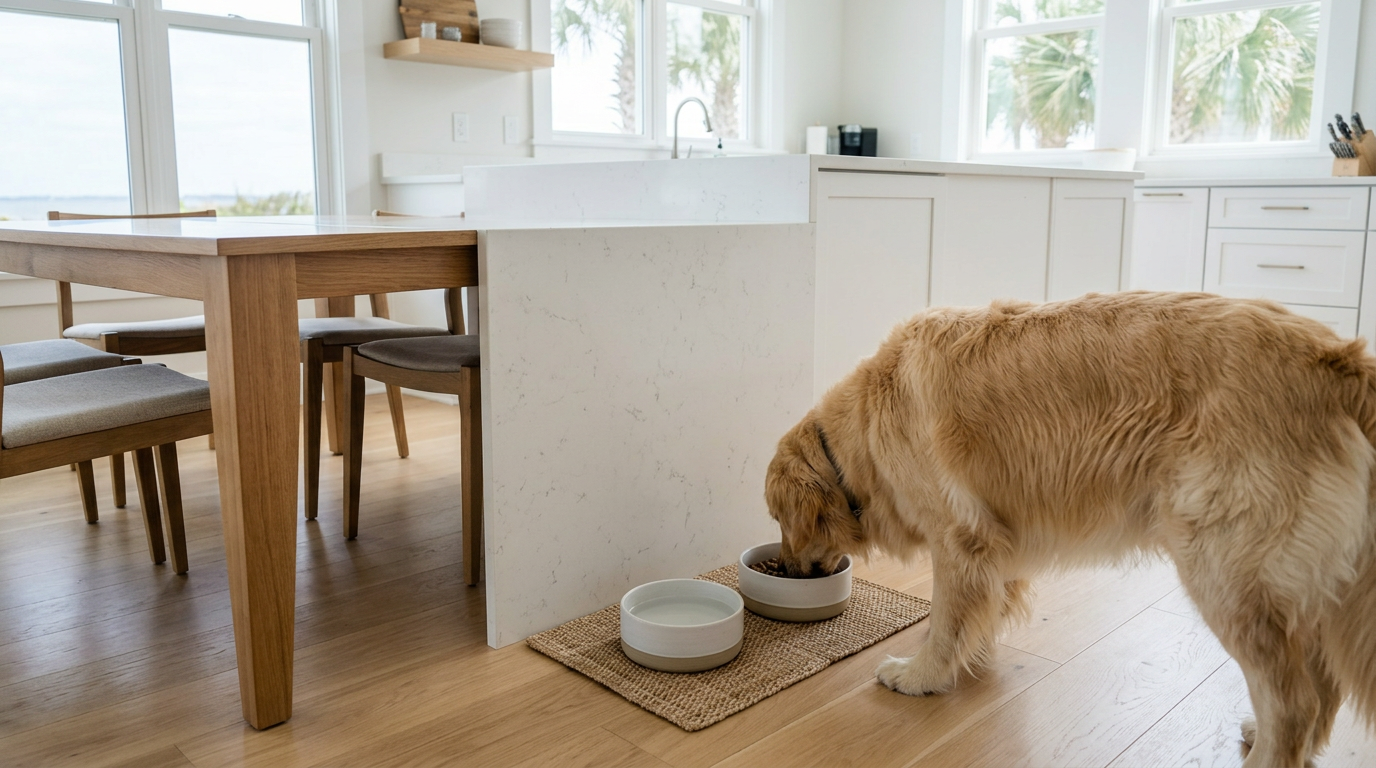
In busy Grand Strand households, the kitchen table perimeter and the nearby pet-feeding station form a high-traffic intersection where toddler spills and pet activity constantly overlap. In our humid coastal climate, this micro-zone quickly becomes a breeding ground for yeast, bacteria, and stubborn odors if left unchecked. Balancing deep sanitation with child and pet safety requires a specialized approach that avoids harsh, toxic chemicals. This guide provides a practical, step-by-step framework to keep your family's dining and feeding areas clean, fresh, and completely safe for your littlest members and four-legged companions.
Anatomy of the Coastal Dining and Pet-Feeding Intersection
In many Myrtle Beach homes, open-concept floor plans place the family dining table, the toddler's high chair, and the pet's food and water bowls in close proximity. This layout is highly functional for busy families, but it creates a complex sanitation challenge where different organic residues constantly mingle. Dried baby food, spilled milk, stray kibble, and pet drool collect in a concentrated area, aggravated by the high foot traffic of children and pets carrying outdoor sand into the space.
The coastal environment of the Grand Strand introduces high indoor humidity, which acts as an accelerant for organic decomposition. When dropped food particles absorb moisture from the air, they soften and bind to the floor surface, forming a sticky layer that traps pet dander, loose fur, and windblown sand. This mixture is not only difficult to remove with standard sweeping, but it also creates a tactile hazard for crawling infants and low-zone pets.
Understanding this micro-zone requires looking at the physical materials involved. Hardwood floors, luxury vinyl planking, and tile grout lines each react differently to the acidic nature of pet saliva and the moisture of spilled baby food. Without a targeted intervention plan, these surfaces can suffer permanent staining, finish erosion, and deep-seated odors that linger in your kitchen long after the initial spill has been wiped up.
The Chemistry of Coastal Yeast and Bio-Film Accumulation
When pet saliva meets dropped carbohydrate-heavy toddler foods under humid conditions, a biological film begins to develop rapidly. This bio-film is a structured community of microorganisms that adhere to surfaces and secrete a protective, slimy glue. In coastal areas like Surfside Beach and North Myrtle Beach, indoor relative humidity levels often fluctuate, providing the perfect breeding ground for environmental yeasts and bacteria that feed on these organic residues.
A common indicator of this biological activity is the pinkish-orange residue, often caused by the yeast Rhodotorula mucilaginosa, which frequently appears around pet water bowls and damp baseboards. While not inherently dangerous to healthy individuals, the presence of this yeast signals that the local environment is too damp and contains enough organic matter to support microbial colonization. Allowing these bio-films to build up on floors where children play increases the risk of allergen exposure.
To break down these stubborn biological films, traditional cleaning agents often fall short or require scrubbing that damages delicate flooring. Strong chemical disinfectants can leave behind residues that are harmful to pets who lick the floor or infants who put toys in their mouths. Overcoming this chemistry requires targeted, non-toxic solutions that dissolve the proteins and starches holding the bio-film together without leaving synthetic chemical traces.
Why Harsh Chemical Cleaners Fail Low-Zone Residents
For many homeowners, the instinctive response to kitchen floor stickiness is to reach for heavy-duty household bleach or ammonia-based cleaners. However, these harsh chemicals pose significant respiratory and dermal risks to the primary occupants of the low-zone: toddlers and pets. Because their noses and mouths are positioned just inches from the floor surface, they inhale concentrated volatile organic compounds (VOCs) that can trigger asthma, allergies, and skin irritation.
Furthermore, cats and dogs possess grooming habits that involve direct contact with cleaned surfaces. Any chemical residue left behind on a tile floor or pet-mat will inevitably be transferred to their paws and ingested during self-cleaning. Chemical surfactants, synthetic fragrances, and artificial dyes commonly found in commercial floor cleaners do not evaporate completely, leaving an invisible film that can cause digestive upset and chronic skin allergies in sensitive pets.
At A2Z Cleaning & Linen Services, we emphasize the use of child-safe, pet-friendly chemistry that relies on botanical surfactants, lactic acid, and hydrogen peroxide-based solutions. These ingredients break down into harmless water and oxygen upon use, leaving zero hazardous residues behind. By switching to safe, non-toxic alternatives, Grand Strand families can achieve clinical-level sanitation without compromising the health of their children or pets.
The Daily High-Chair and Toddler Splash Zone Protocol
The area directly beneath and surrounding a toddler's high chair requires daily attention to prevent food waste from hardening into a semi-permanent glaze. Start by scraping up large food particles immediately after meals using a flexible plastic scraper rather than a rag, which can smear wet foods into the floor crevices. This simple step prevents purees and starches from being ground into the flooring by subsequent foot traffic.
Next, mist the high-chair tray, legs, and the surrounding floor radius with a diluted mixture of warm water and a few drops of plant-derived dish soap or a mild enzyme cleaner. Allow this solution to sit for three to five minutes to naturally soften dried-on foods like oatmeal, sweet potato, and fruit sugars. Wipe the surfaces clean with a damp microfiber cloth, which lifts and traps organic residues far more effectively than traditional cotton towels.
Pay special attention to the woven nylon straps of the high chair, as they are notorious for absorbing spilled milk and organic matter, leading to sour odors and bacterial growth. Spray the straps with a child-safe fabric sanitizer or wipe them down with a baking soda paste, allowing it to dry before brushing away the residue. Keeping this immediate splash zone clean minimizes the food sources available to foraging household pests.
- Scrape wet food spills immediately with a soft plastic scraper to prevent smearing.
- Dampen dried-on spills with a mild, plant-derived enzyme spray before wiping.
- Use high-density microfiber cloths to trap fine food particles and dander.
- Clean high-chair harness straps weekly to eliminate sour milk odors.
- Avoid synthetic fragrances that can irritate sensitive toddler airways.
Sanitizing the Pet-Feeding Station and Managing Bowl Slime
Pet water and food bowls are subject to a constant influx of oral bacteria, saliva, and backwash, creating a slippery coating on the bowl interior and the surrounding floor. This slime, or bio-film, is highly resilient and cannot be removed by simply rinsing the bowl with water. To manage this zone, place the bowls on a food-grade silicone mat with a raised lip to catch spills and contain water splashes.
Wash stainless steel or ceramic pet bowls daily in hot, soapy water or run them through a high-temperature dishwasher cycle. Avoid plastic pet bowls entirely, as they easily develop micro-scratches that harbor bacteria and yeast, even after washing. Wipe the silicone mat daily with a pet-safe botanical disinfectant to neutralize any overflow from water splashes or wet food spills.
For the floor surrounding the feeding station, use a dedicated microfiber mop damp-mopped with a neutral-pH cleaner. Because dogs and cats often drop kibble onto the floor and eat it directly from the surface, this area must remain completely free of chemical cleaners. Maintaining a clean feeding station not only controls musty odors but also prevents the spread of bacteria like Salmonella and Listeria within your home.
Extracting Sand-Grit and Kibble Dust from Floor Joints
Sand-grit carried in from Myrtle Beach shorelines acts as a heavy abrasive when combined with dry kibble dust and pet dander. As family members walk through the kitchen, this abrasive mixture is ground into the wood grain, luxury vinyl seams, and tile grout lines. Over time, this constant friction wears down protective floor finishes, leaving the underlying material vulnerable to deep staining and water damage.
To combat this, a high-quality vacuum cleaner equipped with a HEPA filter and a hard-floor brush attachment should be used daily in the dining and feeding zone. Avoid using a vacuum with a rotating brush roll on hard floors, as the spinning bristles can scatter sand-grit and kibble crumbs further across the room, scratching the floor finish in the process. Ensure the vacuum pathway focuses heavily on the joints where the floor meets the baseboards.
For homes with tile flooring, the grout lines act as natural troughs that collect sand, pet hair, and spilled liquids. To clean these channels safely, apply a paste of baking soda and water to the grout lines, mist it lightly with a diluted white vinegar solution to create a gentle foaming action, and scrub with a soft-bristled brush. This lifts the embedded grit and organic matter to the surface, where it can be easily wiped away.
Mitigating Pet Hair and Odor with Allergy-Friendly Routines
Pet dander and shedding fur are major sources of indoor allergens that settle quickly onto kitchen surfaces, chairs, and baseboards. To keep these airborne irritants under control, establish a consistent routine that addresses both the source and the surfaces. Regularly grooming your pets outdoors or in a designated laundry space significantly reduces the volume of loose hair that reaches the dining and kitchen areas.
Incorporate an air purifier equipped with a true HEPA filter in or near the kitchen dining zone to capture airborne dander and pet hair before it settles. When cleaning hard surfaces, use damp dusting techniques rather than dry dusting, which simply launches allergens back into the air. A damp microfiber cloth electrostatically attracts and holds dander, ensuring it is permanently removed from your living space.
To neutralize persistent pet and food odors without relying on masking sprays or chemical air fresheners, utilize natural odor absorbers. Placing small, open bowls of active baking soda or activated charcoal filters near the pet-feeding station helps capture volatile odor molecules. Regular ventilation, such as opening windows on low-humidity days, also helps refresh the indoor air and prevent stagnant smells from settling.
Sustainable Weekly Maintenance for Busy Grand Strand Families
Maintaining a clean, hygienic kitchen shouldn't require hours of exhaustive labor each week. By breaking down the tasks into a consistent weekly schedule, you can easily keep ahead of dander, sticky spills, and sand accumulation. Designate ten minutes every evening to clear the high-chair area and pet-feeding station, ensuring that no wet organic material sits overnight to attract pests or harden into place.
If managing this high-traffic intersection alongside a busy schedule becomes overwhelming, professional environmental technicians can provide deep-cleaning support. At A2Z Cleaning & Linen Services, our local team is trained in child-safe and pet-friendly protocols designed specifically for coastal environments. We can deep-clean your grout lines, sanitize hard-to-reach zones under heavy dining furniture, and restore your kitchen to a pristine, allergen-free baseline.
For professional assistance keeping your Myrtle Beach home fresh, safe, and clean for the whole family, contact A2Z Cleaning & Linen Services at 843.800.2788. Whether you need a deep seasonal reset or consistent maintenance cleaning, our experienced family-owned team is here to help you enjoy a healthy, comfortable, and beautifully maintained coastal home.
Key takeaway
Managing the unique cleaning challenges of a busy coastal home requires understanding how sand, pet dander, and food spills interact in high humidity. By prioritizing child-safe, pet-friendly chemistry and establishing simple daily maintenance habits, you can keep your kitchen dining zones fresh, sanitary, and completely safe. For expert deep cleaning that protects your family's health, trust your local Grand Strand professionals to deliver exceptional results.
Keep Reading
Home Cleaning
The Family Staircase and Safety Gate Decontamination Protocol: Mitigating Sunscreen-Grime Slurry, Pet-Hair Static, and Sticky Handprint Biofilms in Grand Strand Homes
ReadHome Cleaning
Low-Zone Sanitization: Protecting Crawling Toddlers and Ground-Level Pets from Coastal Residues and Harsh Chemicals
ReadHome Cleaning
The Coastal Low-Level Window and Glass Viewing Zone Decontamination Protocol: Mitigating Toddler Handprints, Dog-Nose Sebum Slurry, and Humid Pollen-Sand Adhesion in Grand Strand Family Homes
ReadReady for a spotless property?
Call 843.800.2788 or request a free quote from A2Z Cleaning & Linen Services.